Austin, San Marcos & the Lost Pines
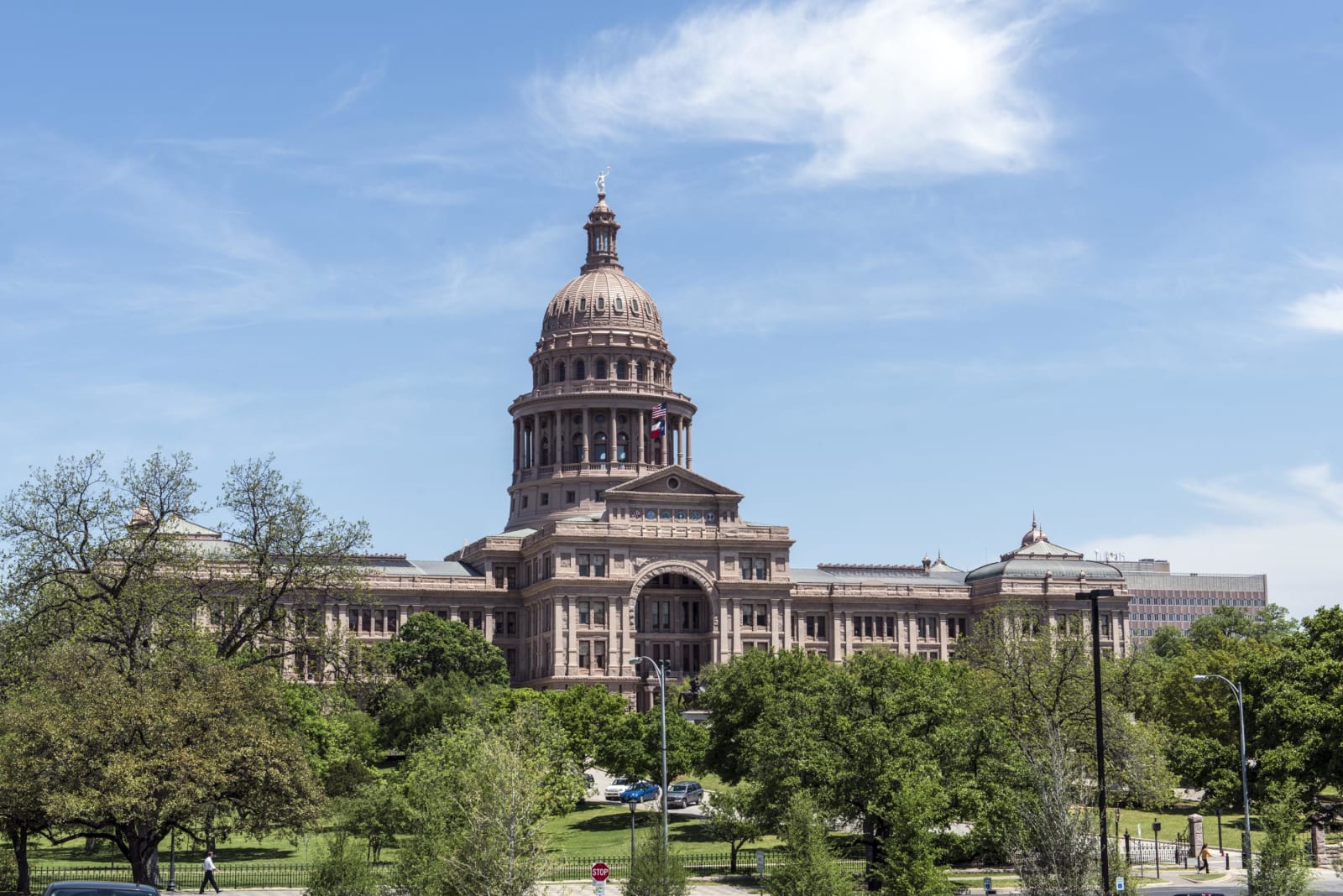
The Texas Capitol and the Bullock Museum, Barton Springs, the San Marcos springs, the Lost Pines of Bastrop State Park, and Lockhart and the 1840 fight at Plum Creek.
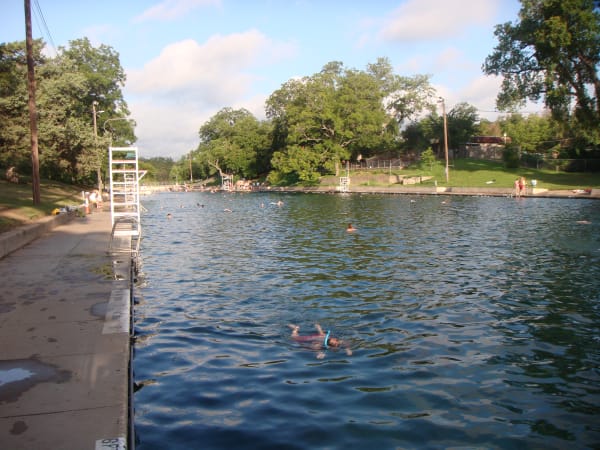
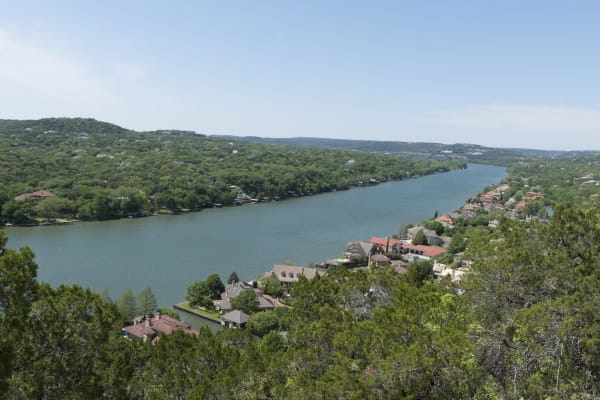
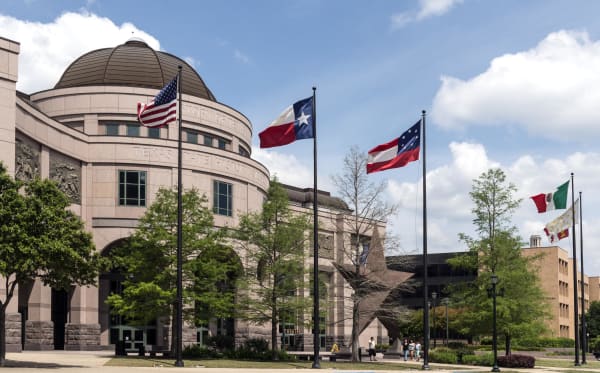
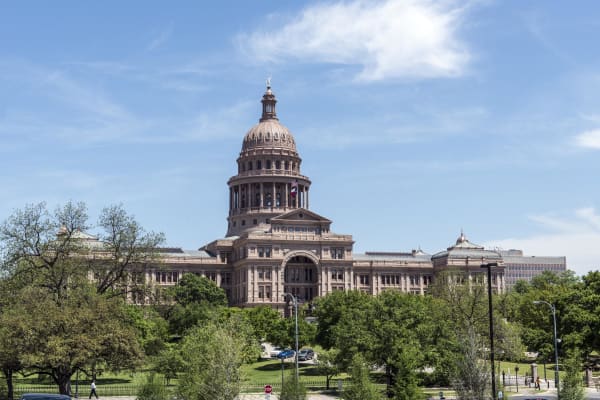
Springs rise along the Balcones fault zone here. Austin began in 1839, when a commission sent by President Mirabeau B. Lamar bought the hamlet of Waterloo on the Colorado for the Republic's capital. Its Capitol, finished in 1888, is red granite from Granite Mountain, paid for with three million acres of Panhandle land. The Bullock Museum nearby shows La Belle, La Salle's ship lost in Matagorda Bay in 1686. Barton Springs, a gathering place for thousands of years, still feeds a pool in Zilker Park.
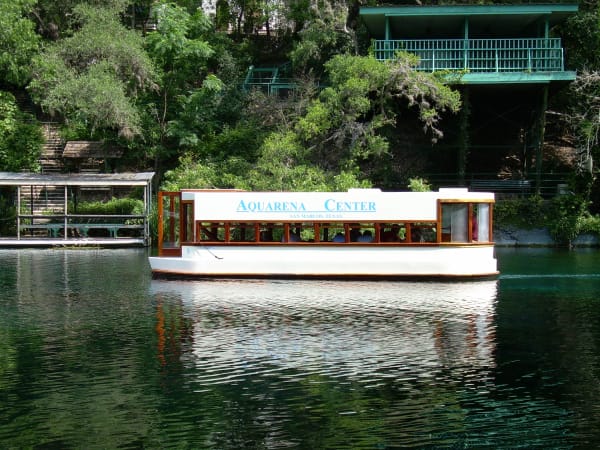
South on Interstate 35, the San Marcos River rises at Spring Lake, the second largest cluster of springs in Texas. The Tonkawa called it Canocanayesatetlo, warm water, and excavations show people there at least 8,000 years ago. Spain set the short-lived San Xavier mission at the headwaters in 1755, and the springs were a stop on the Old San Antonio Road.
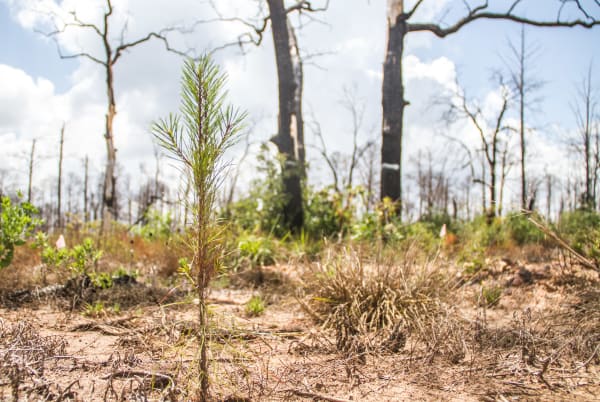
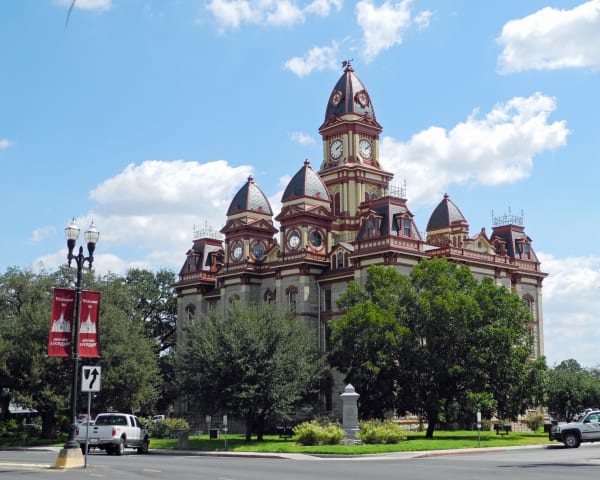
East of Austin the land changes. At Bastrop the Lost Pines, a belt of loblolly pines some thirteen miles across, grow cut off from the East Texas pine woods, and the Civilian Conservation Corps built Bastrop State Park among them in the 1930s. South at Lockhart, Texans fought Comanche warriors at Plum Creek in August 1840, at the end of the Great Raid that followed the Council House killings. Lockhart later became a starting point for the Chisholm Trail.
What to See in Austin, San Marcos & the Lost Pines
13 places across the region, grouped by what they are.
Natural Areas
Historic Sites

Towns & Gateways

Architecture
Austin, San Marcos & the Lost Pines rewards the unhurried. Pick a base, fan out, and let the country between the headline stops surprise you.
← Explore more of Open Road Guide