Home / California / Gold Country & the Northern Passes / Columbia State Historic Park
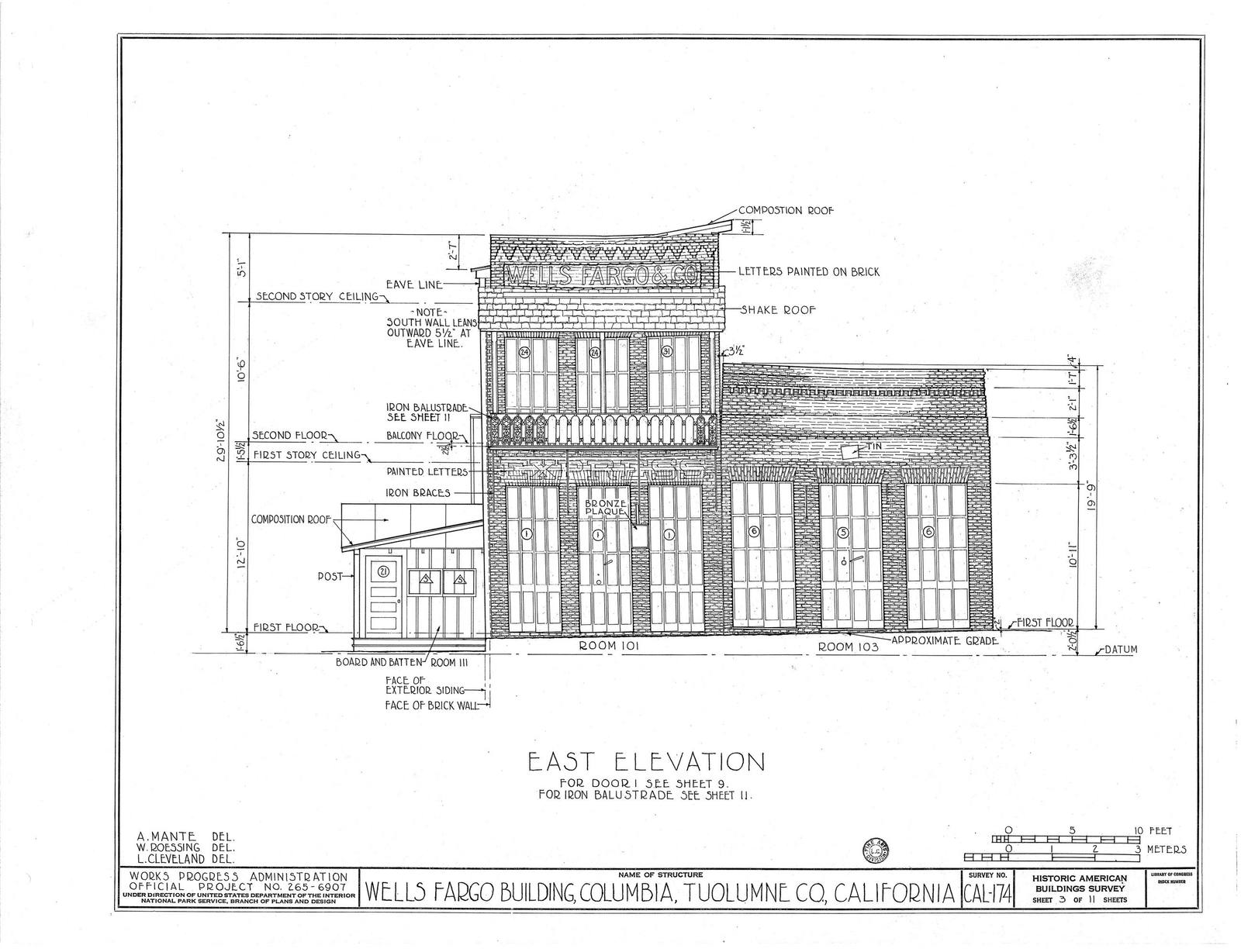
Columbia State Historic ParkHistoric American Buildings Survey / Public domain via Wikimedia Commons
🏛️Historical

Columbia State Historic Park

Part ofGold Country & the Northern Passes

The Gem of the Southern Mines, still open for business on a car-free Gold Rush main street.

Duration
Two to three hours, longer with a theatre performance.
🎟
Admission
Free to enter the park; individual attractions, tours, and stagecoach rides are ticketed.
📅
Best Season
Spring and fall; summer in the Mother Lode is hot.
💡
Fun Fact
The pale rock outcrops around the townsite are limestone left standing after hydraulic and placer mining washed away the gravel that once buried them.

The Story

Most Gold Rush towns burned, emptied, or both. Columbia did burn, twice, in 1854 and 1857, and the response is why it survives: the town rebuilt in brick with iron shutters, and those buildings are still standing on a main street closed to cars. This is the largest collection of original Gold Rush-era commercial buildings in California, and it is a working street rather than a diorama. The saloons pour, the candy shop makes candy, the blacksmith works, and a stagecoach still runs when weather allows.

The gold came fast. The Hildreth party struck it on March 27, 1850, on Central Sierra Miwok land, and within a month thousands of miners were working the gulches. At its height Columbia held four or five thousand people and shipped an estimated eighty-seven million dollars in gold before the returns dropped off after 1858. Unlike its neighbors, the town never quite quit, which is what left something to save when California made it a state historic park in 1945.

Walk up to the two-story brick schoolhouse and the cemetery on the hill for the view over town, and note the strange white outcrops around the edges: limestone left standing after the gravel around it was washed away. The rest of the Mother Lode runs north along CA-49 toward Coloma.

Visitor Info

Time Needed
Two to three hours, longer with a theatre performance.
🎟
Admission
Free to enter the park; individual attractions, tours, and stagecoach rides are ticketed.
📅
Best Season
Spring and fall; summer in the Mother Lode is hot.
🛣️
Highway
CA-49 / Parrotts Ferry Road

On the Map

Stories

A story featuring this place

Go deeper into the history and character of this stop

Nature
Where the Hill Went
JoAnn · 7 min read

Nearby

The closest stops worth working into your route

historical58 mi away
Marshall Gold Discovery State Historic Park
The tailrace at Coloma where a carpenter found gold in January 1848 and the world came running.
natural65 mi away
Emerald Bay State Park
A glacial fjord on Tahoe's west shore with the lake's only island and a Scandinavian house at the water.
cultural70 mi away
Sacramento
The Gold Rush river port that became the state capital, and jacked itself ten feet into the air to stop drowning.
cultural72 mi away
Genoa
Nevada's oldest town—a California Trail trading post and Carson Valley ranch country that came eight years before the silver and quietly outlasted it
cultural73 mi away
Cave Rock / De'ek Wadapush
One of the most sacred places of the Wašiw—the Standing Gray Rock, a worn volcano the highway was blasted through and climbers bolted for sport, now closed and quiet again after the Washoe's long fight to protect it
natural76 mi away
Glenbrook & Spooner Summit
Lake Tahoe's east shore, where the basin was logged nearly clean to timber the Comstock—the forest that paid for the silver, and the century it has spent growing back