Gold Country & the Northern Passes
Highway 49 through the Mother Lode — Coloma, where the Gold Rush began, the living main streets it left behind, Sacramento at the head of US-50, and the emigrant passes at Donner and Tahoe.
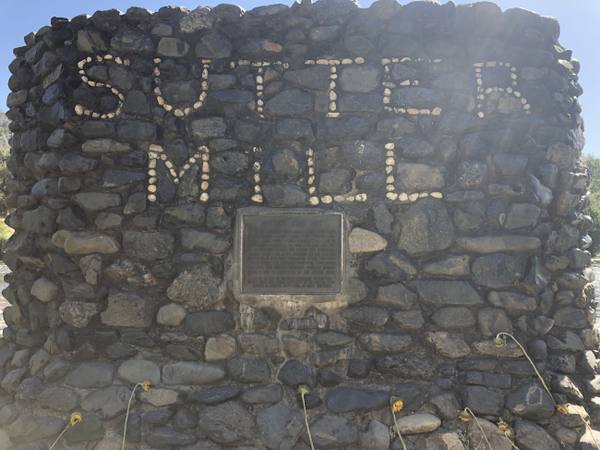
In January 1848 a sawmill worker pulled flakes of gold out of the American River at Coloma, in the homeland of the Nisenan, and the world arrived within the year. The Gold Rush built Sacramento and San Francisco, filled the Sierra foothills with camps, and fell on Native California as a catastrophe — militias, some paid by the new state, killed thousands, and survivors were driven from country their peoples had held for ages. The rush's other workers got their own injustice: Chinese miners were taxed and hounded off their claims, then hired by the thousands to cut the railroad's tunnels through Donner's granite. The gold country's charm is real, and it is not innocent — this guide tells both.
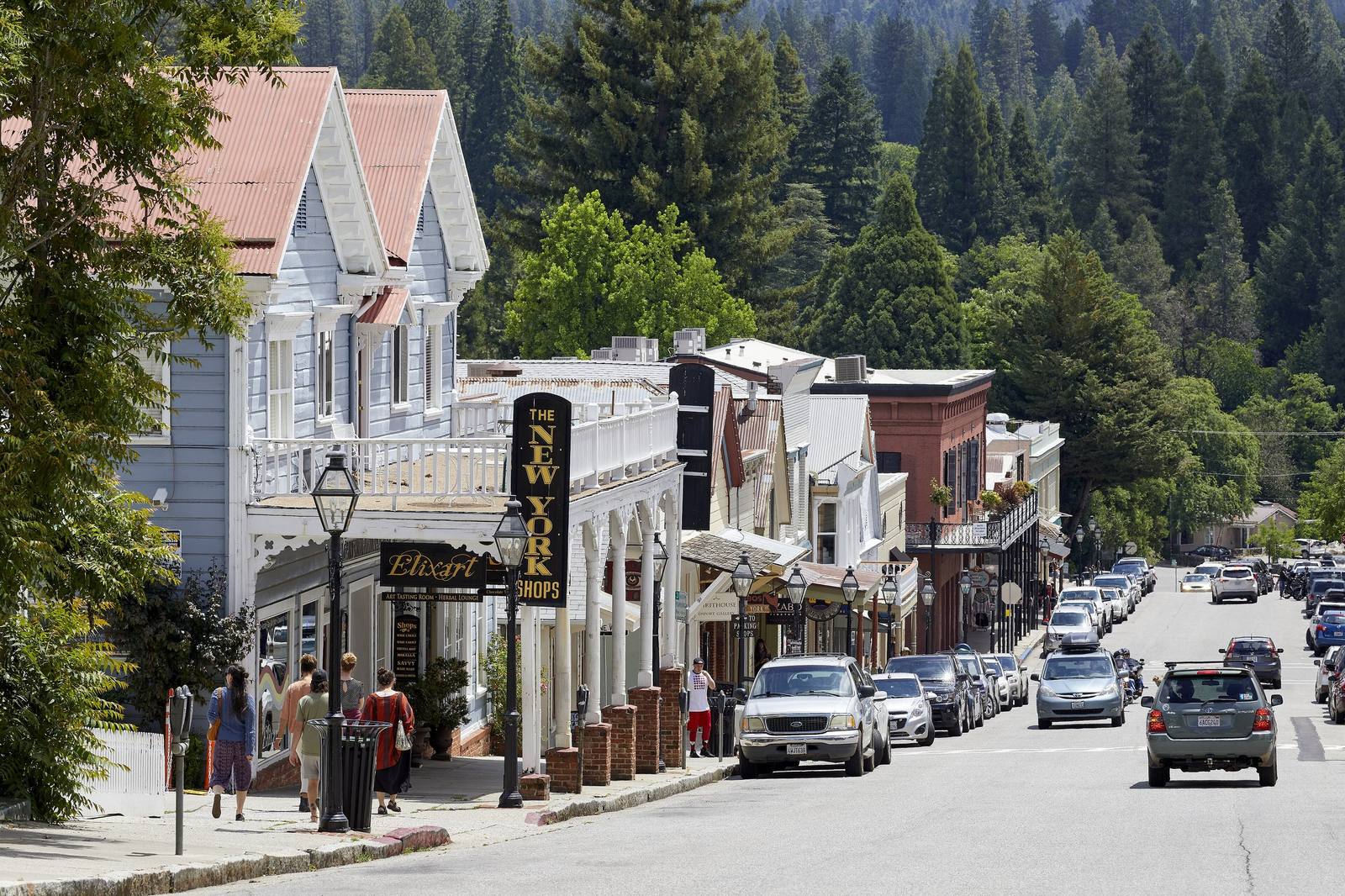
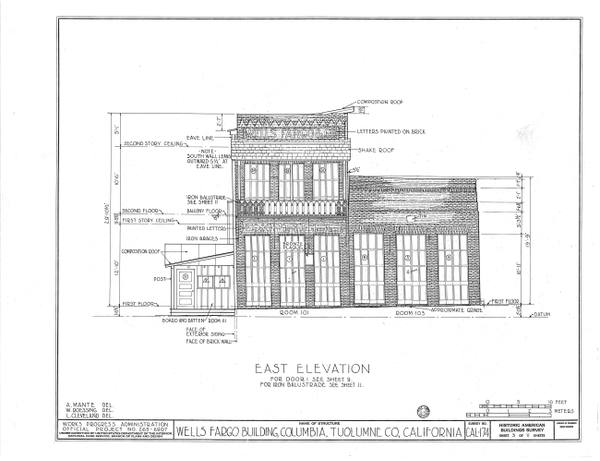
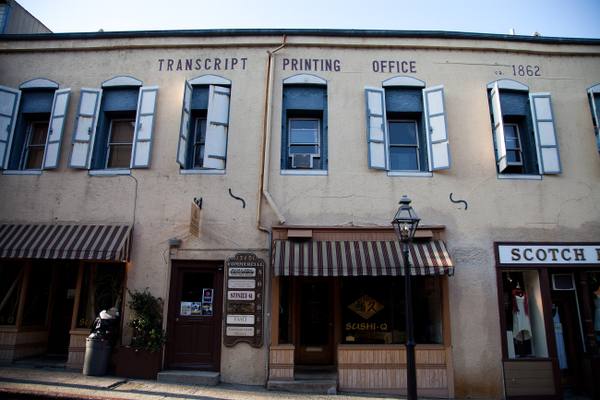
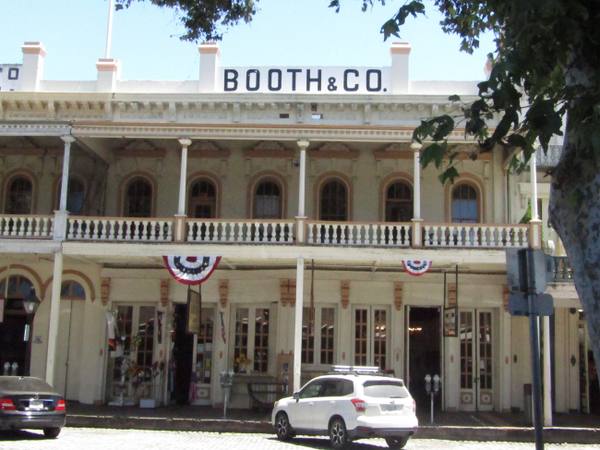
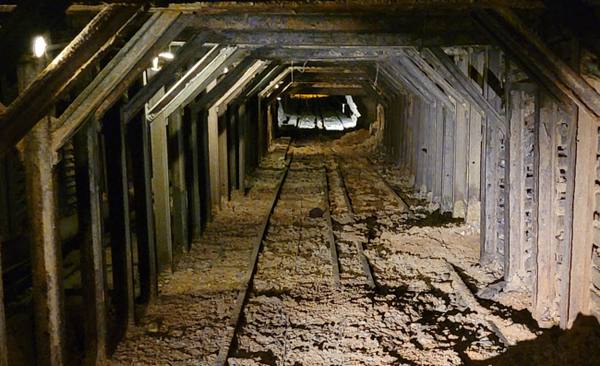
Highway 49 strings the Mother Lode together like beads: Auburn, Placerville, the white water at Coloma, Nevada City and Grass Valley with their gaslamp main streets and the hard-rock shafts of the Empire Mine, and south through Angels Camp to Columbia, a gold town preserved whole as a state park. Sacramento anchors the region's western edge — the Gold Rush river port turned state capital, with its raised-sidewalk old town, its railroad museum, and the western end of US-50, the road this site has already followed across two states — from here it climbs over Echo Summit to South Lake Tahoe and on toward the Nevada line.
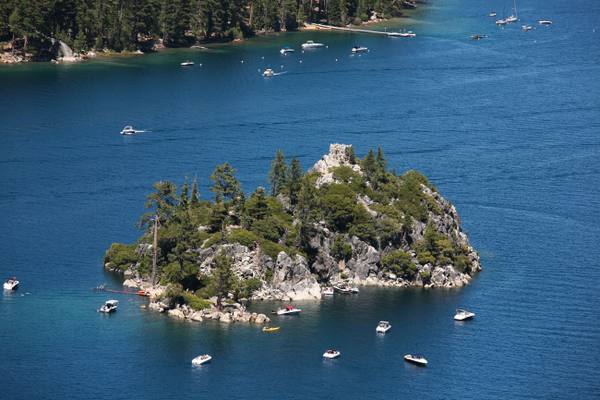
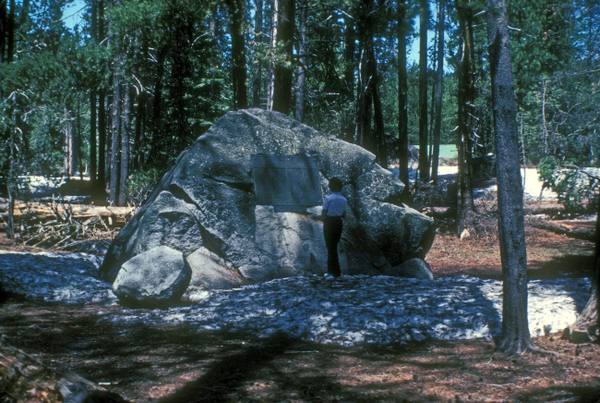
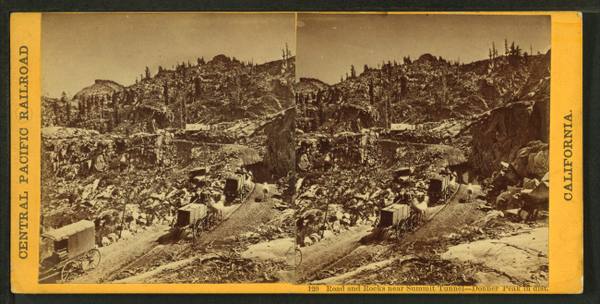
Climb east and the story turns to the passes. At Truckee, the Donner Party's terrible winter of 1846 and 1847 is remembered where it happened; the transcontinental railroad's summit tunnels — Chinese-built, hand-drilled — still bore through the granite above Donner Lake; and over the crest lies Tahoe, the big blue lake at the center of the world of the Wašišiw, the Washoe, the people from here. I-80 still follows the emigrant grade.
What to See in Gold Country & the Northern Passes
9 places across the region, grouped by what they are.
Natural Areas
Historic Sites
Towns & Gateways
Industry & Mining
Scenic Drives through Gold Country & the Northern Passes
Stories from Gold Country & the Northern Passes
Gold Country & the Northern Passes rewards the unhurried. Pick a base, fan out, and let the country between the headline stops surprise you.
← Explore more of Open Road Guide