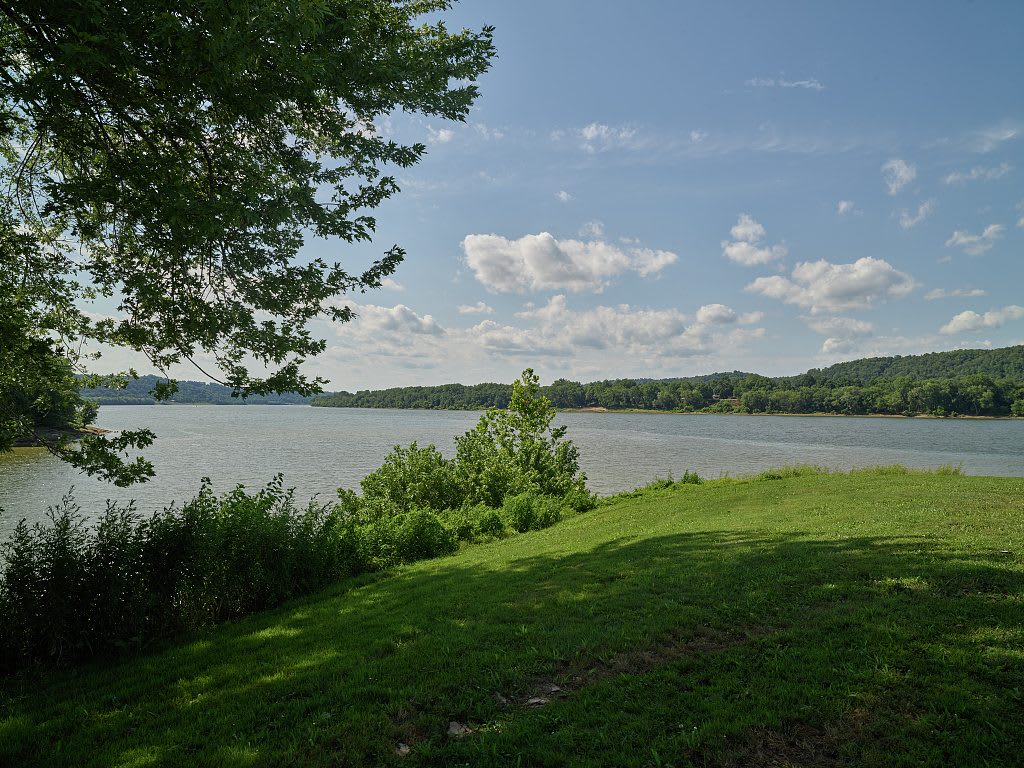
Louisville & the Ohio River
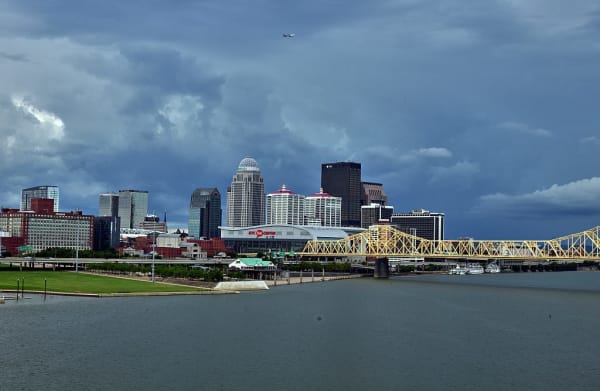
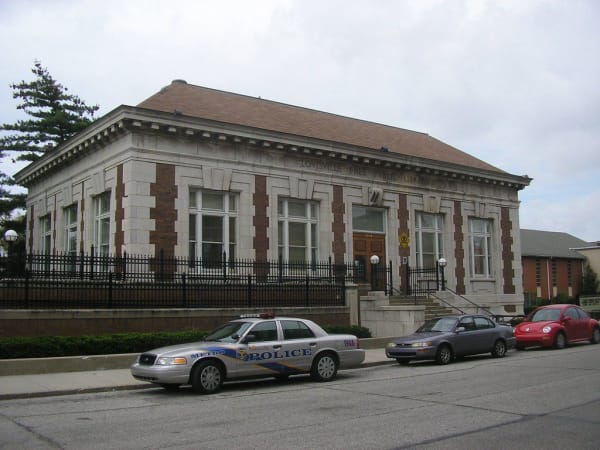
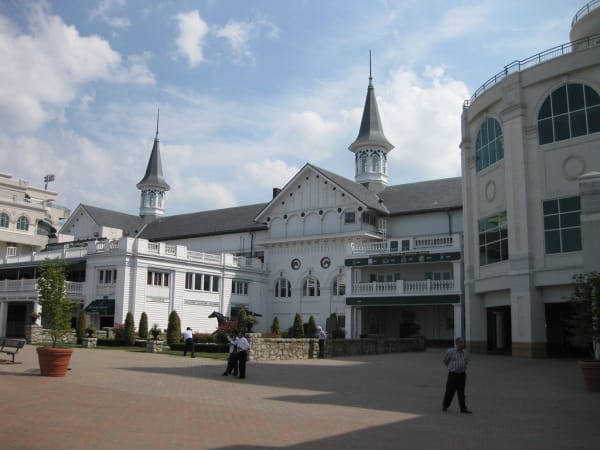
Louisville and the Ohio River counties: the Falls, Locust Grove and Farmington, the Western Branch Library, Churchill Downs, Ali's city, and Bernheim's knobs.
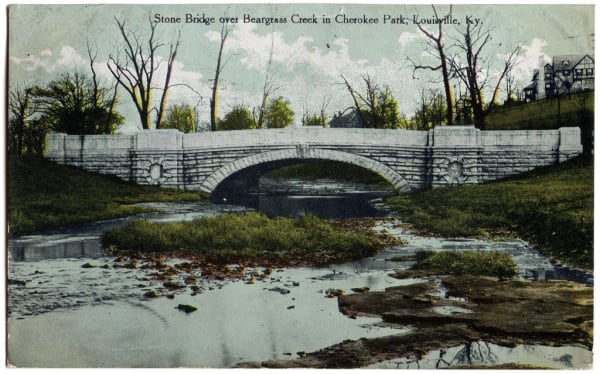
For some 2,600 years people lived beside the Falls of the Ohio, from Archaic hunters through the Adena, Hopewell, Fort Ancient and Mississippian peoples. By the 1700s the Shawnee and the Cherokee hunted this ground, and the city later put their names on its Olmsted parks, Cherokee Park among them. George Rogers Clark's men landed on Corn Island in 1778, and he spent his last years at Locust Grove, where Lewis and Clark stopped in 1806.
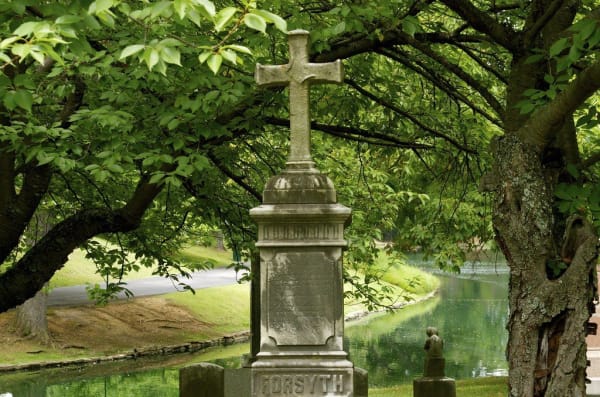
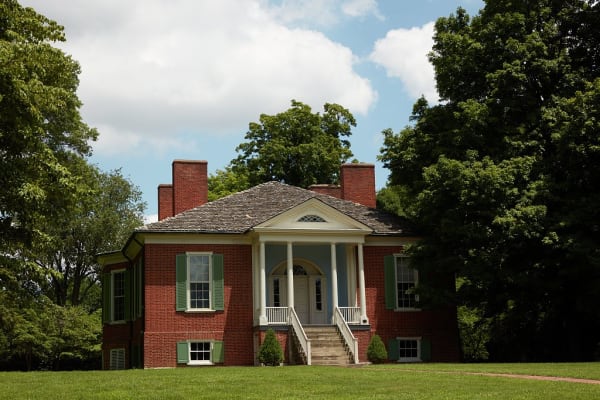
Louisville grew on the river trade, and that trade included people. Enslaved Kentuckians were shipped south from the wharf below today's Waterfront Park, while the Speeds' hemp fields at Farmington ran on the labor of up to 70. The Western Branch Library opened in 1905 as the first public library run by and for Black residents; after the Day Law, Berea's trustees built Lincoln Institute near Simpsonville, where Whitney M. Young Jr. was born. A Black jockey, Oliver Lewis, won the first Derby at Churchill Downs, and Muhammad Ali, born in the West End, lies at Cave Hill.
Out of town the land rises into the knobs. Bernheim Forest covers 16,000 acres a whiskey man gave the state, beside Jim Beam's distillery at Clermont, and upriver General Butler State Resort Park sits beside Carrollton, where the Kentucky River meets the Ohio.
What to See in Louisville & the Ohio River
12 places across the region, grouped by what they are.
Natural Areas
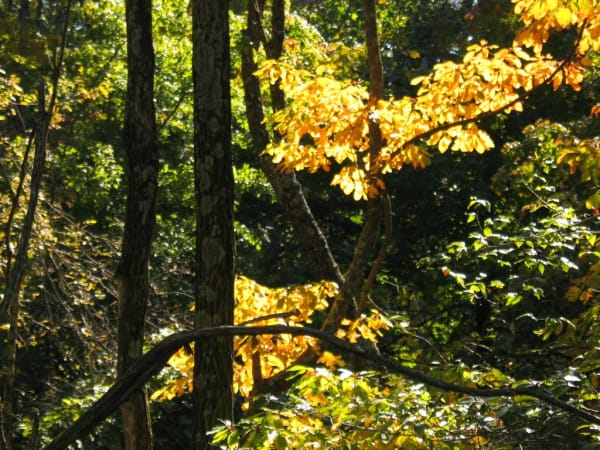
Hikes & Trails
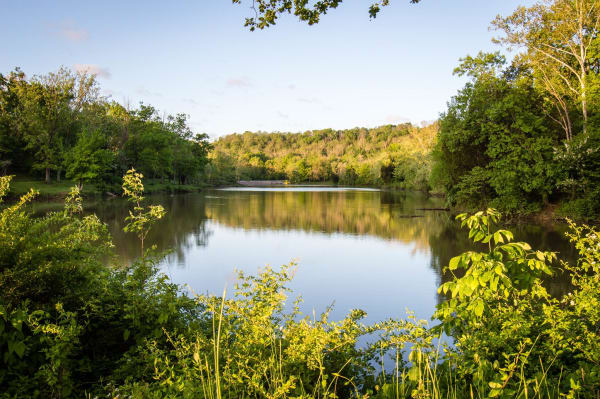
Historic Sites
Towns & Gateways
Industry & Mining
Louisville & the Ohio River rewards the unhurried. Pick a base, fan out, and let the country between the headline stops surprise you.
← Explore more of Open Road Guide