The Story
Red Butte Garden is 100 acres of cultivated beauty and wild terrain climbing the foothills above the University of Utah campus, and the view from its upper trails — the entire Salt Lake Valley spread below, the Oquirrh Mountains on the western horizon, the Great Salt Lake shimmering in the distance — would justify the visit even if there were not a single flower in the ground. There are, in fact, over 500,000 plants, arranged in themed gardens and natural areas that transition seamlessly from manicured beds to native foothill landscape, creating an experience that is part botanical garden, part nature preserve, and part panoramic overlook.
The garden is the largest botanical garden in the Intermountain West, and its elevation — roughly 5,000 feet at the entrance, rising to nearly 5,500 feet on the upper trails — creates growing conditions that are challenging enough to make the horticultural achievements genuinely impressive. The climate along the Wasatch Front is arid, with hot summers, cold winters, and limited precipitation, and the plants that thrive here must tolerate temperature extremes, low humidity, and alkaline soils that would defeat many species. The garden's collections are therefore both beautiful and informational — each planting demonstrates what is possible in this specific climate, making Red Butte a practical resource for home gardeners as well as a recreational destination.
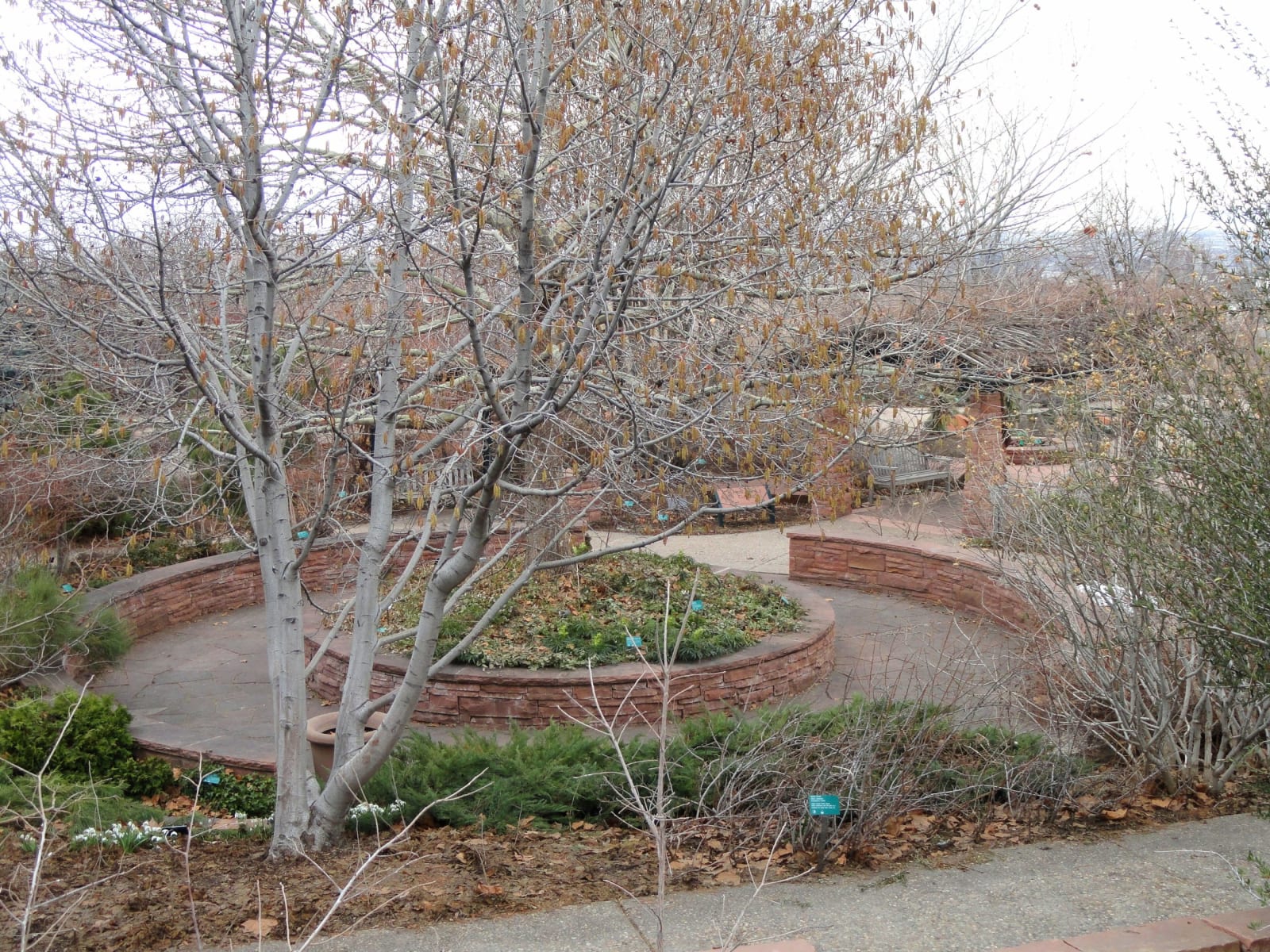
The themed gardens are arranged along a path that winds up the hillside, and each one creates a distinct atmosphere. The Water Conservation Garden demonstrates xeriscaping principles with plants that thrive on minimal irrigation — a subject of increasing urgency in a state where water resources are under pressure from drought and population growth. The Herb Garden fills the air with the scent of rosemary, lavender, thyme, and basil on warm days. The Children's Garden uses interactive elements and sensory plants to engage young visitors. The Medicinal Garden catalogs the pharmaceutical heritage of the plant kingdom. And the Rose Garden, at peak bloom in June, delivers the saturated color and fragrance that rose gardens have been delivering for centuries, with the Wasatch Mountains providing a backdrop that no lowland garden can match.
The Four Seasons Garden is designed to provide visual interest throughout the year — a goal that is more ambitious in Utah's climate than it would be in milder regions. Spring brings bulbs and flowering trees. Summer fills the beds with perennials and annuals. Autumn provides foliage color from maples and oaks. Winter offers the structural beauty of bare branches, evergreen conifers, and ornamental grasses against snow. The garden demonstrates that a well-designed landscape does not shut down in November and restart in April — it transforms, and each transformation has its own beauty.
The natural areas above the cultivated gardens extend into Red Butte Canyon, a protected research natural area managed by the University of Utah. The canyon trails climb through scrub oak, maple, and conifer forest into terrain that feels genuinely wild despite its proximity to the city. Mule deer browse the hillsides. Hawks circle overhead. The vegetation changes with elevation, and the transition from cultivated garden to natural canyon happens gradually enough that you barely notice you have left one and entered the other.
The outdoor concert series is Red Butte's worst-kept secret and one of the most beloved summer traditions along the Wasatch Front. National touring acts perform on an outdoor stage with the garden as the setting, and the audience sits on a hillside lawn with blankets, picnics, and the kind of relaxed, communal atmosphere that indoor venues cannot replicate. The concerts run from May through September, and the lineup typically includes a mix of rock, folk, country, and indie artists that draws audiences from across the region. Watching a concert as the sun sets behind the Oquirrh Mountains and the city lights begin to flicker on in the valley below is one of the signature Salt Lake City experiences.
The garden is open year-round, with hours that vary by season. Admission is charged, with discounts for university affiliates, seniors, and children. The gift shop stocks gardening books, tools, and locally made products, and the cafe offers food and beverages that can be consumed in the garden. Parking is available on site, though it fills quickly during concert nights and peak spring weekends.
Red Butte Garden occupies a transitional zone — between city and mountain, between cultivation and wildness, between the controlled beauty of a designed landscape and the uncontrolled beauty of the Wasatch foothills. That position gives it a character that purely urban gardens and purely wild landscapes lack. You can admire a perfectly maintained rose bed, walk five minutes uphill, and stand in a canyon where the only landscaping is the kind that takes millions of years. The garden contains both experiences, and the ease with which they coexist is its most remarkable achievement.
Visitor Info
On the Map
Nearby
The closest stops worth working into your route
Historical markers nearby
Roadside plaques and monuments within a short detour