Home / California / Death Valley & the Basin Ranges / Furnace Creek
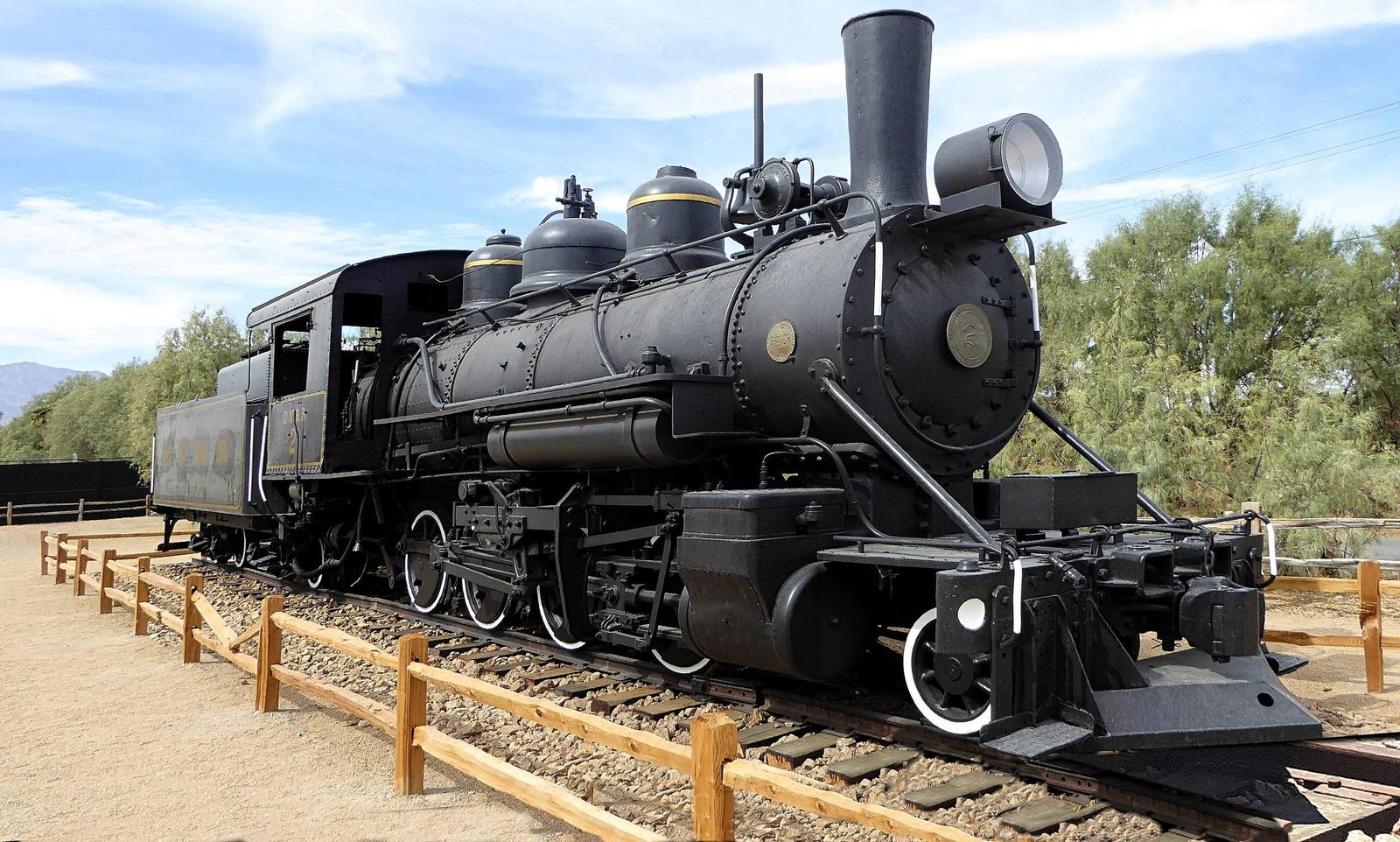
Furnace CreekPierre Andre Leclercq / CC BY-SA 4.0 via Wikimedia Commons
๐ŸŽญCultural

Furnace Creek

Part ofDeath Valley & the Basin Ranges
On this driveCalifornia 190: Across Death Valley

The valley hub, the hottest air temperature ever officially recorded, and the Timbisha village that was here first.

โฑ
Duration
An hour for the visitor center and Harmony Borax Works; the hub for a multi-day stay.
๐ŸŽŸ
Admission
Park entrance fee (30 dollars per vehicle, valid seven days); the visitor center itself is free. The park is cashless.
๐Ÿ“…
Best Season
October through April. Fuel and water here are the last reliable ones for a long way in several directions.
๐Ÿ’ก
Fun Fact
The Homeland Act made Death Valley the first and only national park in the United States to have a reservation created inside its boundaries.

The Story

Read the park entrance signs on the way in and you will see a second line under the name: Homeland of the Timbisha Shoshone. It was added after November 1, 2000, when the Timbisha Shoshone Homeland Act put 313.99 acres at Furnace Creek into trust for the tribe, along with roughly 7,800 acres in all. Before that the tribe had lived since 1936 on about forty acres here, on sufferance, without a land base in its own country, and had spent decades resisting attempts to move it off. Federal recognition came in 1983; the land came seventeen years later, and Death Valley became the first national park in the country to return ground to the people it was taken from. The village is a residential community, with a buffer written into the law to protect the privacy of the people who live in it. Drive past it the way you would drive past anyone's street.

Everything else here is the business of the valley: the visitor center, the fuel pumps, the two lodgings, the campgrounds, the airstrip, all sitting about 190 feet below sea level. On July 10, 1913, a thermometer at what was then Greenland Ranch read 134 degrees, still the official world record and still doubted by the climatologists who have gone back through the observer's notebooks. The modern instruments have twice reached 130, in 2020 and again in 2021.

A mile and a half north, the ruins of the Harmony Borax Works mark where Chinese laborers scraped cottonball borax off the flats in the 1880s for a dollar and thirty cents a day.

Visitor Info

โฑ
Time Needed
An hour for the visitor center and Harmony Borax Works; the hub for a multi-day stay.
๐ŸŽŸ
Admission
Park entrance fee (30 dollars per vehicle, valid seven days); the visitor center itself is free. The park is cashless.
๐Ÿ“…
Best Season
October through April. Fuel and water here are the last reliable ones for a long way in several directions.
๐Ÿ›ฃ๏ธ
Highway
CA-190

On the Map

Stories

A story featuring this place

Go deeper into the history and character of this stop

Nature
The Fish That Outlived the Lake
JoAnn ยท 7 min read

Nearby

The closest stops worth working into your route

geological3 mi away
Zabriskie Point
Gullied gold badlands eroded out of an ancient lakebed, best at first light.
natural15 mi away
Badwater Basin
The lowest ground in North America, a salt pan 282 feet below sea level under two miles of mountain.
natural17 mi away
Dantes View
A 5,475-foot balcony on the Black Mountains crest with Badwater a vertical mile below.
natural18 mi away
Mesquite Flat Sand Dunes
Fourteen square miles of dunes near Stovepipe Wells, and the easiest sand in the park to reach.
cultural27 mi away
Amargosa Opera House
A dancer painted her own audience on the walls of a desert hall and performed for them for forty years.
historical32 mi away
Rhyolite
The most complete ghost town in Nevada โ€” a stone city with an opera house and a marble-stepped bank that rose and died inside a decade, now the most photographed ruin in the West.