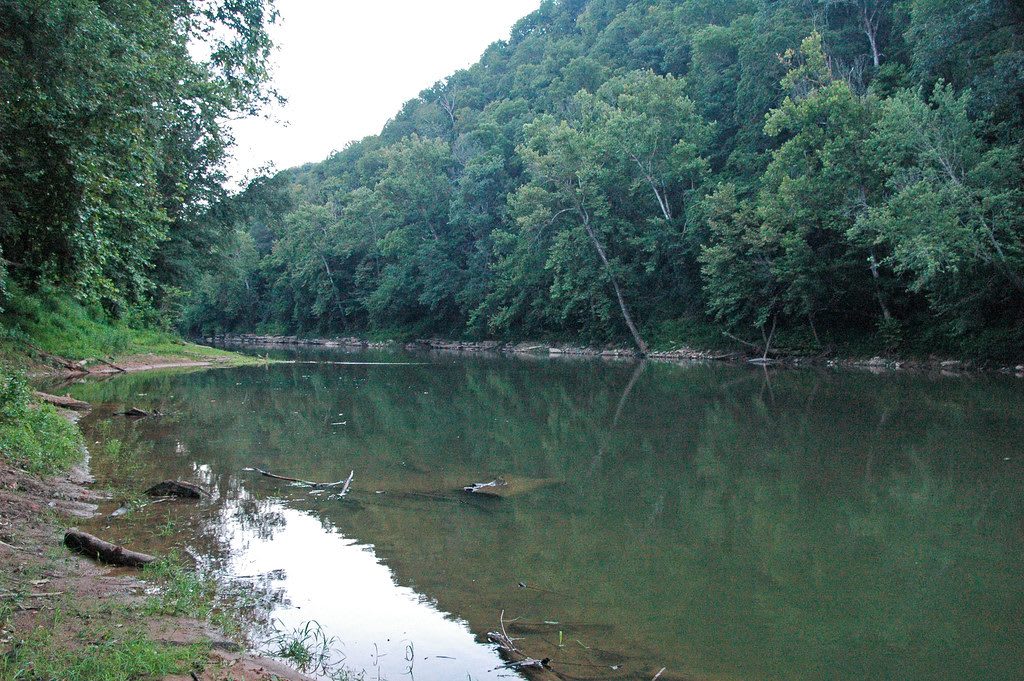
The Green River flowing calm and brown-green between steep wooded banks in Mammoth Cave National Park.
James St. John / CC BY 2.0 via Flickr
Kentucky · Region

Mammoth Cave & South-Central Kentucky

Mammoth Cave and Stephen Bishop, Hidden River and Lost River caves, the SEEK Museum, South Union's Shakers and the Davis obelisk, across Kentucky's karst south.

11 places to explore

People were carrying cane torches into Mammoth Cave four thousand years ago to scrape minerals from its walls, and at Lost River Cave in Bowling Green, Native families used the springs for thousands of years before that. Seven nations, Cherokee, Shawnee and Chickasaw among them, keep ties to this limestone country, where whole rivers vanish underground and sinkholes open without warning, as one did under the Corvette Museum in 2014.

Enslaved men dug saltpeter at Mammoth Cave for the War of 1812, and Stephen Bishop, sold with the cave in 1839, mapped the passages tours still walk. In Russellville the SEEK Museum tells of Richard Bibb's emancipations and of the four men lynched in 1908. The Shakers at South Union kept their village between two armies and were burned out in 1868 for hiring freedmen. At Fairview, a 351-foot obelisk built for Jefferson Davis records how Lost Cause memory took hold in a Union state.

Faith and words run deep here too: the 1800 camp meeting at the Red River Meeting House, the twelve-cornered Old Mulkey church of 1804, and Robert Penn Warren's birthplace in Guthrie. Hidden River Cave shows a cave brought back from a town's sewage, and Dale Hollow Lake ends the drive in deep, clear water.

What to See in Mammoth Cave & South-Central Kentucky

11 places across the region, grouped by what they are.

Geology & Rock Formations
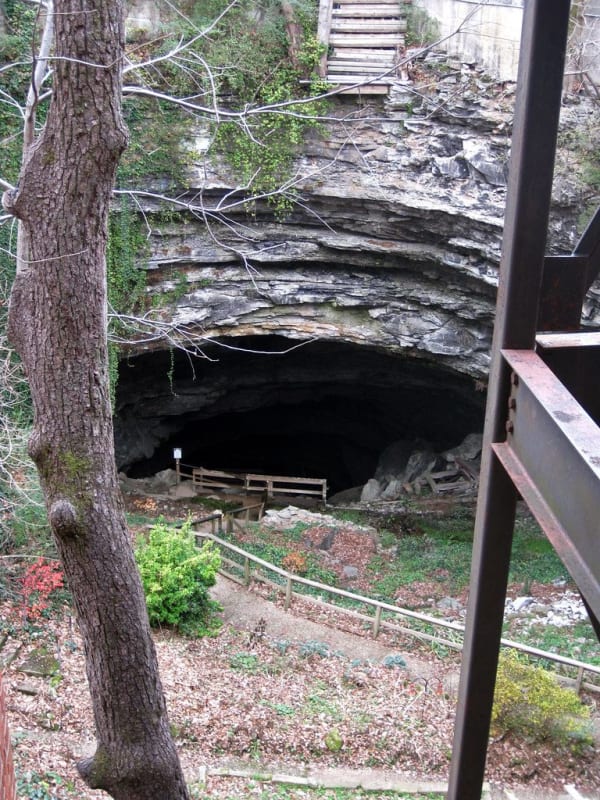
The arched limestone mouth of Hidden River Cave at the bottom of a wooded sinkhole, with a railed path leading inside.

Hidden River Cave and the American Cave Museum

Horse Cave

A cave under Main Street in Horse Cave that the town's sewage killed and a regional treatment plant brought back, now home to the American Cave Museum.

View details →
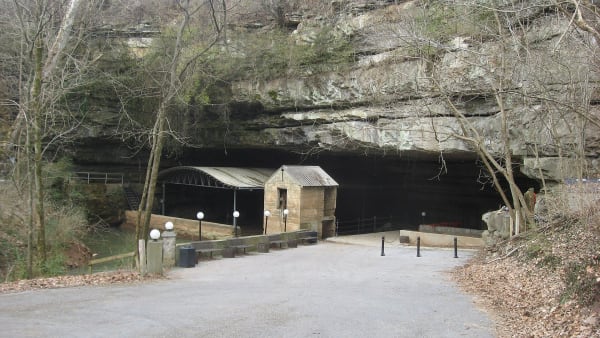
The wide mouth of Lost River Cave under a limestone bluff in winter, with a small stone building and boat shelter at the entrance.

Lost River Cave

Bowling Green

A karst valley and underground river inside Bowling Green, with 10,000 years of human use, an old mill site, a 1930s nightclub at the cave mouth and a boat tour.

View details →
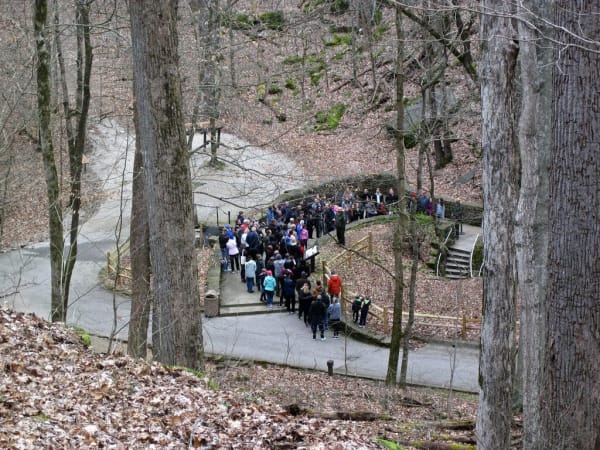
A tour group gathers on the paved path and stairs leading down through bare winter woods to the Historic Entrance of Mammoth Cave.

Mammoth Cave National Park

Mammoth Cave

The longest known cave system on earth, mapped first by Stephen Bishop and the enslaved guides who made its routes, with Archaic miners' traces 4,000 years older.

View details →

Natural Areas

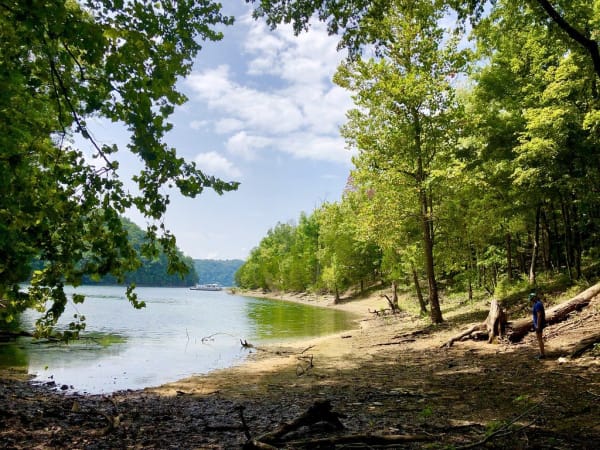
A shaded, sandy shoreline on Dale Hollow Lake with green woods running down to calm water.

Dale Hollow Lake State Resort Park

Burkesville

A 3,400-acre state park on the Kentucky end of Dale Hollow Lake, a deep, clear Corps of Engineers reservoir on the Obey River that holds the world-record smallmouth bass.

View details →

Historic Sites

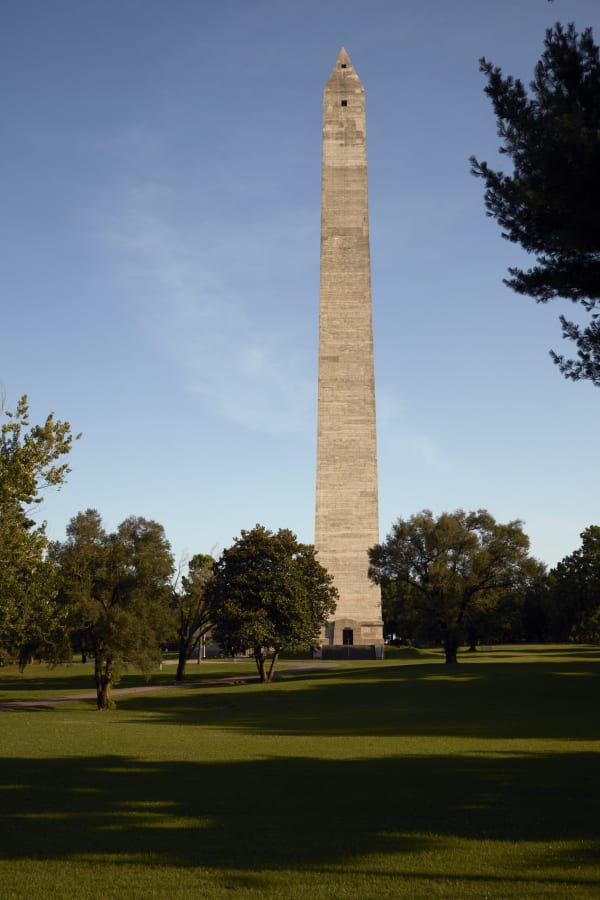
A tall concrete obelisk rising above a mown lawn and scattered trees under a blue sky at Fairview.

Jefferson Davis State Historic Site

Fairview

A 351-foot concrete obelisk raised by Confederate veterans and the United Daughters of the Confederacy at Jefferson Davis's birthplace, a monument of Lost Cause memory.

View details →
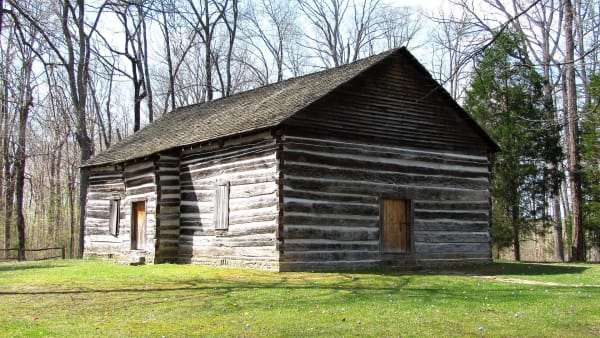
The log Old Mulkey Meetinghouse stands on a grassy clearing among bare spring trees.

Old Mulkey Meetinghouse State Historic Site

Tompkinsville

One of Kentucky's earliest log churches, a twelve-cornered Baptist church of 1804 near Tompkinsville, with Daniel Boone's sister Hannah in the churchyard.

View details →
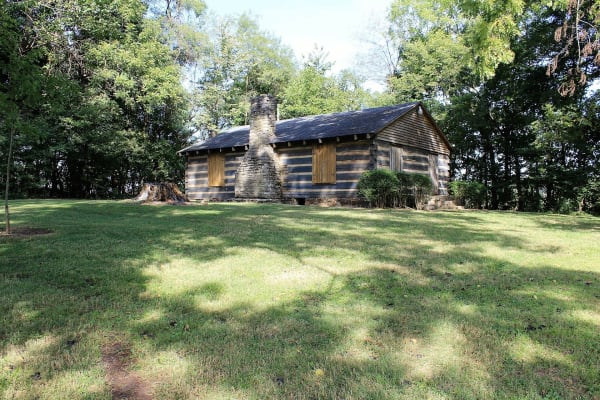
The log replica of the Red River Meeting House, with a stone chimney, stands on a shaded lawn among tall trees.

Red River Meeting House

Adairville

A rebuilt log church on the Red River near Adairville, where James McGready's four-day communion of June 1800 began the camp meetings of the Great Revival.

View details →

SEEK Museum

Russellville

Two museum sites in Russellville, at Richard Bibb's house and in the Bottom, telling slavery, emancipation, lynching and civil rights in seven historic buildings.

View details →
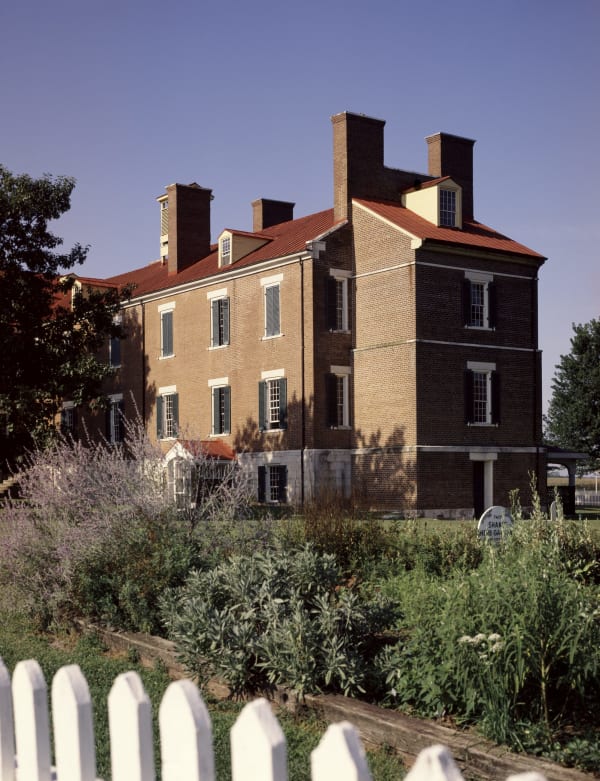
The three-story brick Shaker Centre House at South Union with a red roof and tall chimneys, behind an herb garden and white picket fence.

Shaker Museum at South Union

Auburn

The longest-lived western Shaker village, 1807 to 1922: pacifists and abolitionists between two armies, and a community burned for hiring freedmen.

View details →

Towns & Gateways

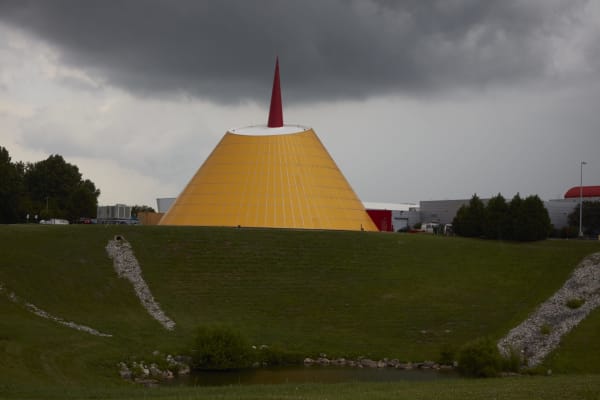
The yellow cone-shaped Skydome of the National Corvette Museum with its red spire, above a grassy slope under storm clouds.

National Corvette Museum

Bowling Green

The Corvette's museum beside the only plant that builds it, best known for the 2014 sinkhole that opened under its yellow Skydome and swallowed eight cars.

View details →
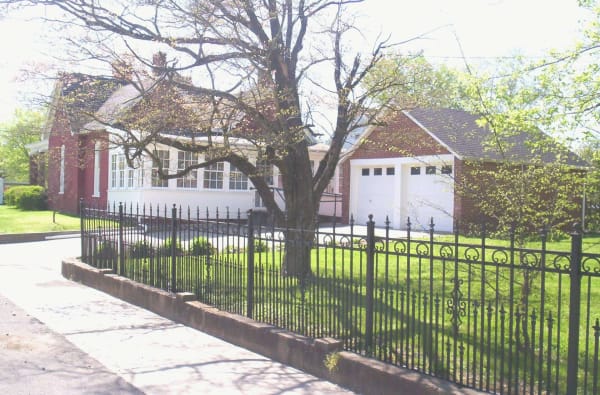
The red-brick Robert Penn Warren birthplace house in Guthrie, behind an iron fence and a spring tree.

Robert Penn Warren Birthplace Museum

Guthrie

The brick railroad cottage in Guthrie where Robert Penn Warren was born in 1905, kept as a museum to the only writer to win Pulitzers for both fiction and poetry.

View details →

Mammoth Cave & South-Central Kentucky rewards the unhurried. Pick a base, fan out, and let the country between the headline stops surprise you.

← Explore more of Open Road Guide