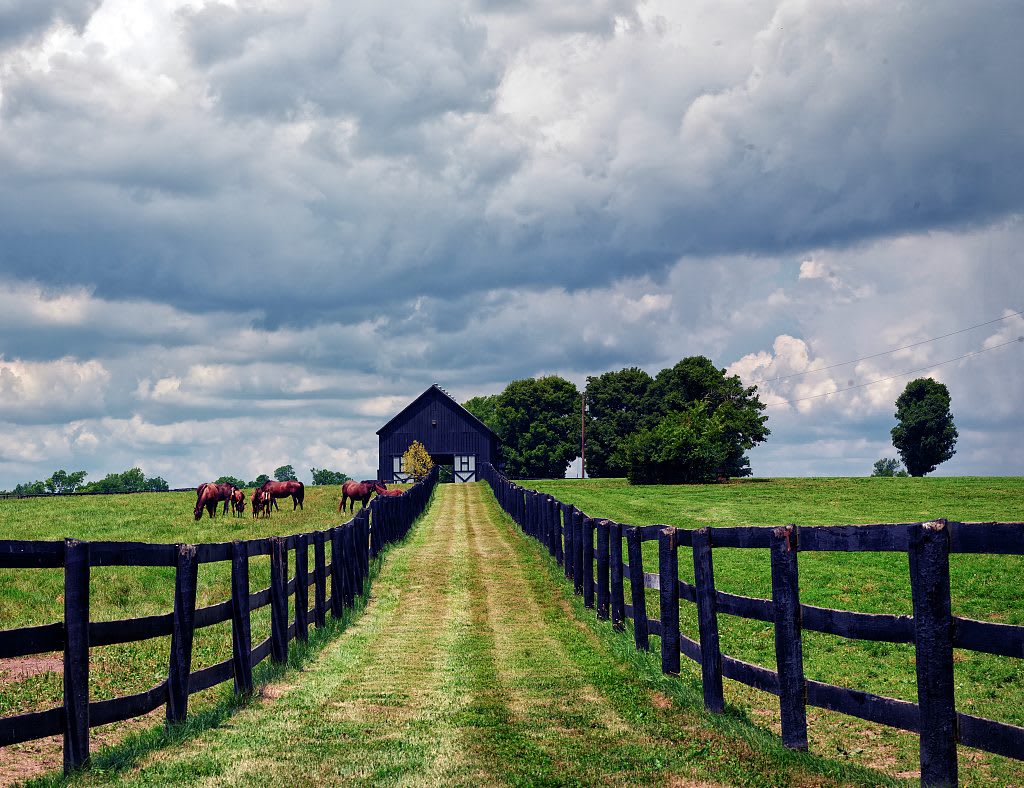
Lexington, Frankfort & the Bluegrass
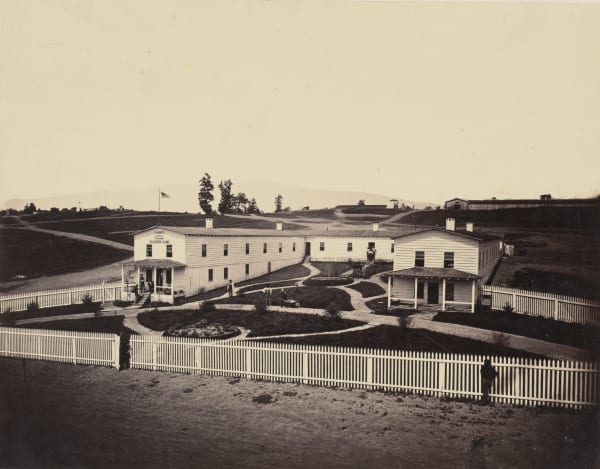
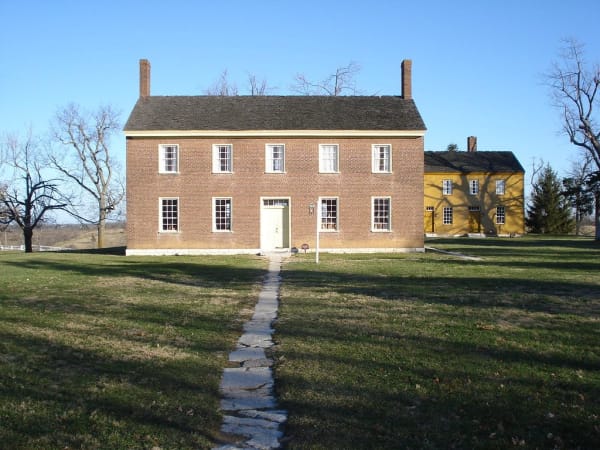
Camp Nelson, Ashland and Cheapside, Shaker Village, Perryville, Fort Boonesborough, Berea College, Frankfort's Old State Capitol and the Kentucky Horse Park.
The Bluegrass was Shawnee hunting country, and older peoples farmed it first: a Fort Ancient village stood around 1400 on the Kentucky River bend that became Fort Boonesborough. The Transylvania Company's 1775 purchase from Cherokee leaders, which Dragging Canoe refused to sign, opened the land to settlers, and the Shawnee under Blackfish answered with the eleven-day siege of 1778, months after Boone had lived among them as Sheltowee.
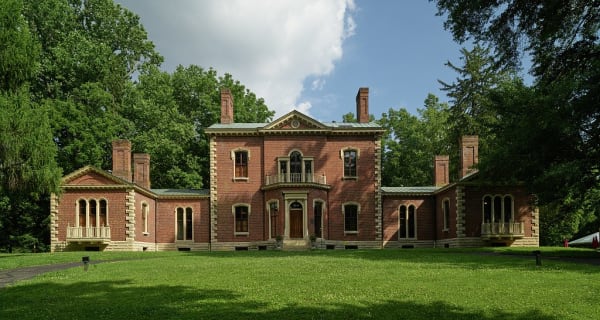
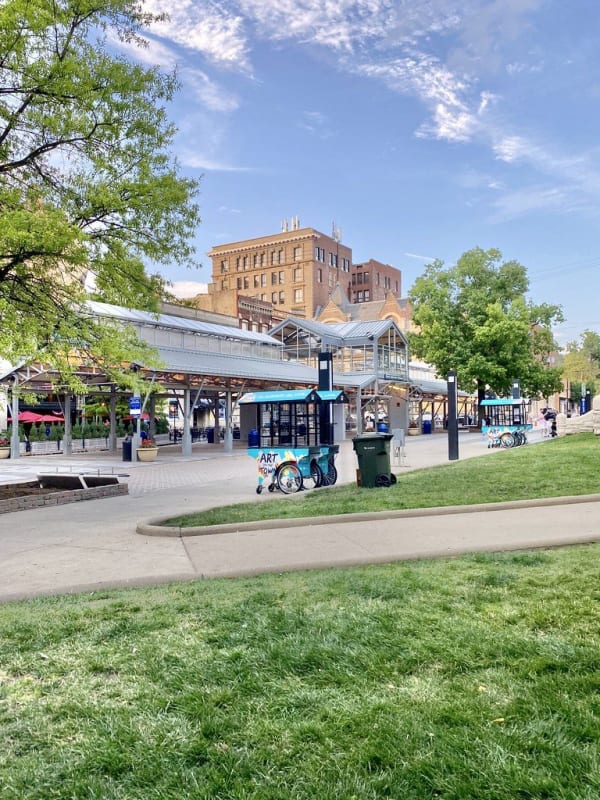
The farms of hemp, cattle and horses were worked by enslaved people. Henry Clay enslaved more than 140 people over his life, many at Ashland, and Charlotte Dupuy sued him for her freedom. Lexington's Cheapside was the center of the state's slave trade. The Shakers at Pleasant Hill bought enslaved people to free them. In the Civil War, Perryville in 1862 was the South's last serious attempt to take Kentucky, and more than 10,000 enslaved men won their freedom by enlisting at Camp Nelson. At Berea, John G. Fee's school taught Black and white students together until the 1904 Day Law forced them apart.
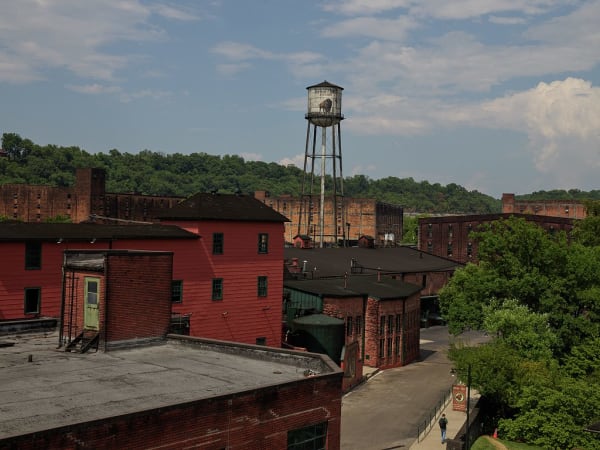
Frankfort's Old State Capitol, where William Goebel was shot in 1900, is now a Kentucky Historical Society museum, and Buffalo Trace still makes whiskey on the river a short drive away. Isaac Burns Murphy, three times a Kentucky Derby winner, lies at the Kentucky Horse Park, and the river palisades shelter spring wildflowers at Raven Run.
What to See in Lexington, Frankfort & the Bluegrass
11 places across the region, grouped by what they are.
Natural Areas
Historic Sites


Towns & Gateways

Architecture

Industry & Mining
Scenic Drives through Lexington, Frankfort & the Bluegrass
Lexington, Frankfort & the Bluegrass rewards the unhurried. Pick a base, fan out, and let the country between the headline stops surprise you.
← Explore more of Open Road Guide