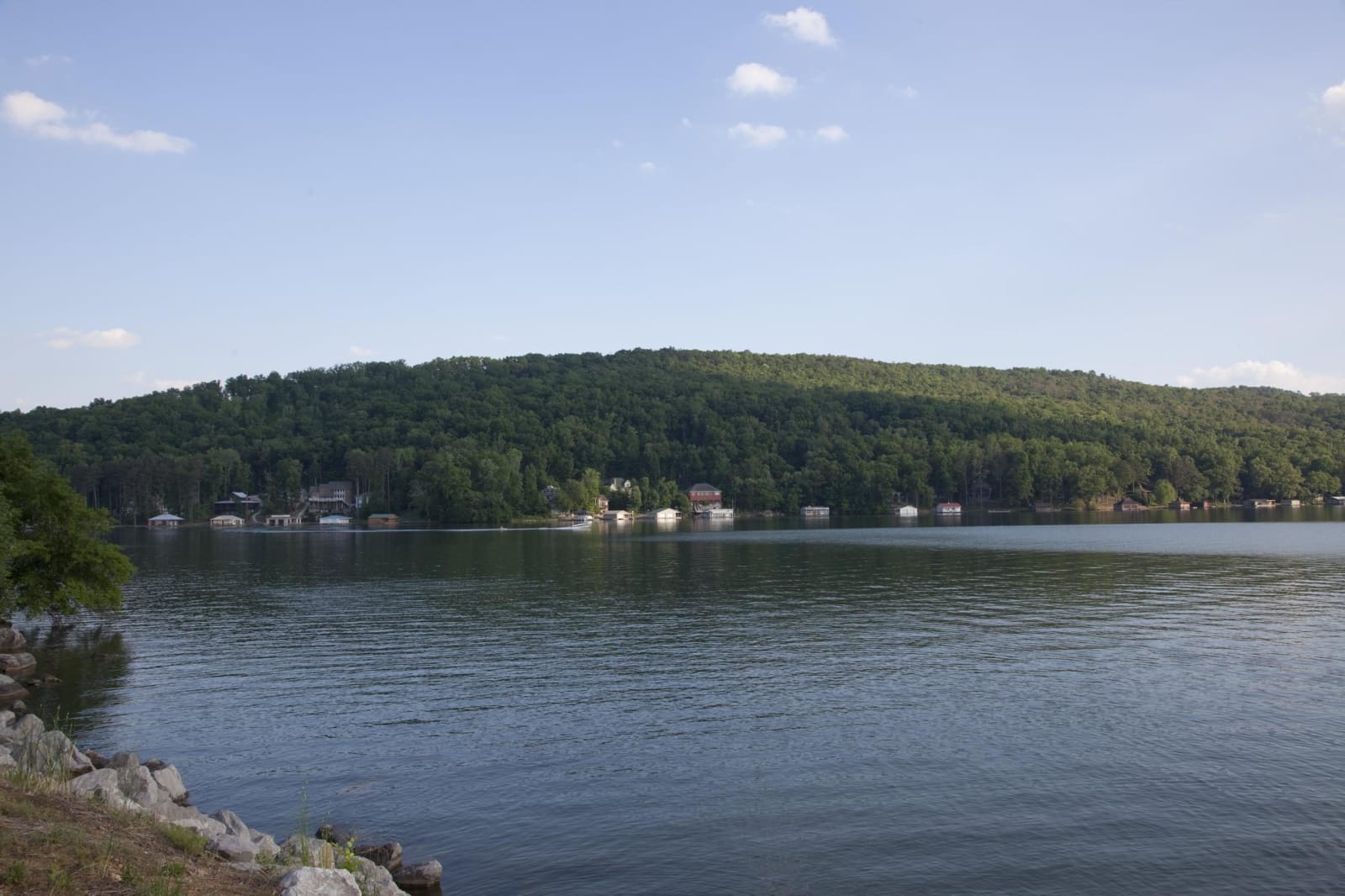
Huntsville & the Tennessee Valley
Huntsville and the Tennessee Valley: Russell Cave and Cherokee country, the 1819 constitution, Alabama A&M, the Scottsboro Boys and the rockets of Redstone.
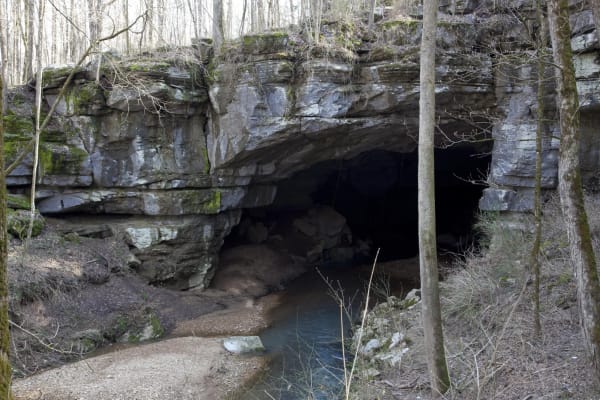
Long before the river was dammed, people wintered in the limestone shelter at Russell Cave for some ten thousand years, and when settlers arrived the valley was Cherokee and Chickasaw country. The Chickasaw ceded Madison County in 1805, the Cherokee in 1806, and in 1838 Cherokee families were driven west from Gunter's Landing, now the lake town of Guntersville.
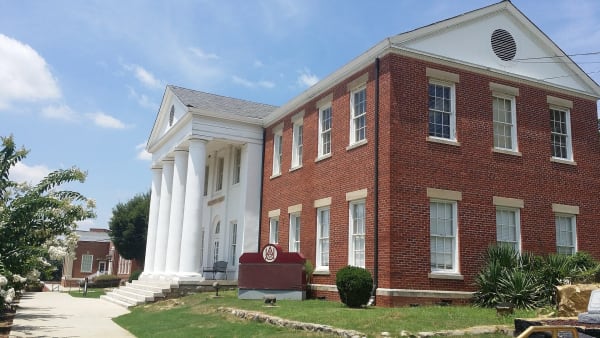
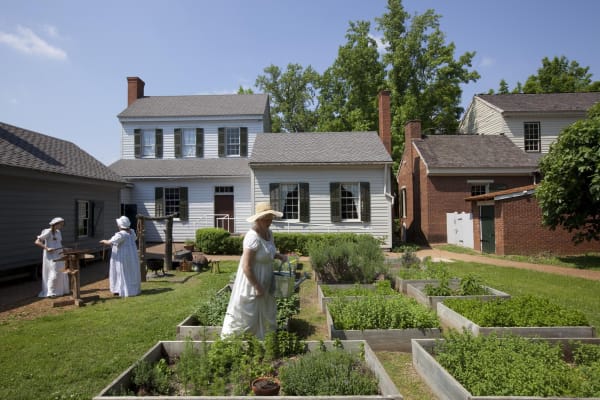
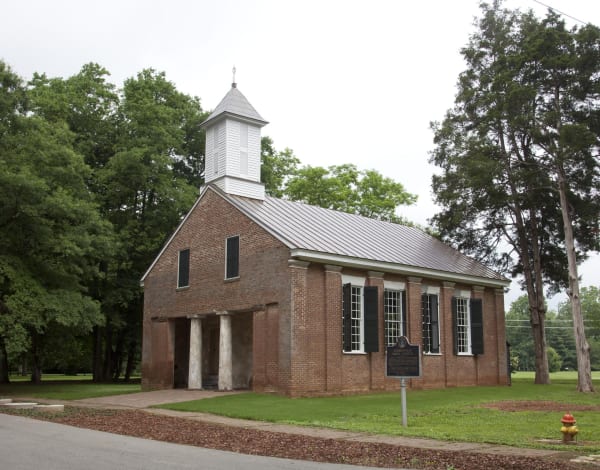
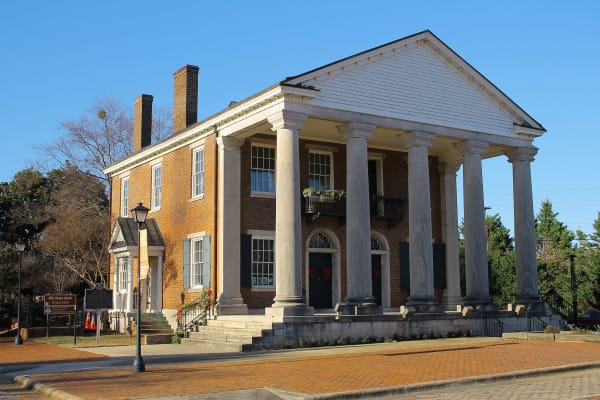
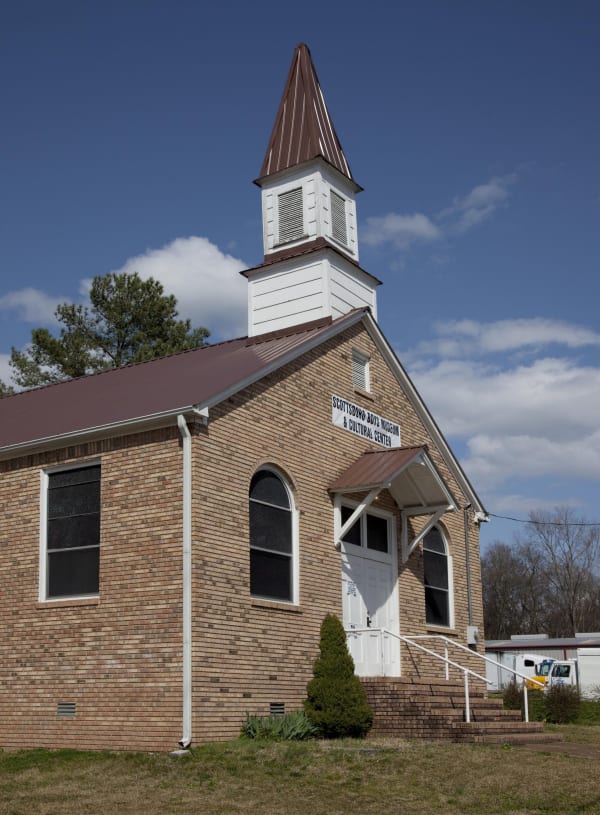
Cotton, grown by enslaved people, built what came next. Delegates wrote Alabama's 1819 constitution in a Huntsville cabinet shop, now rebuilt at Constitution Hall Park; Mooresville, chartered in 1818, still looks the part; enslaved men raised Decatur's Old State Bank. William Hooper Councill, sold as a boy at a Huntsville inn, founded Alabama A&M in 1875. In 1931 nine young Black men were taken off a train at Paint Rock and condemned at Scottsboro, where a museum now tells their case.
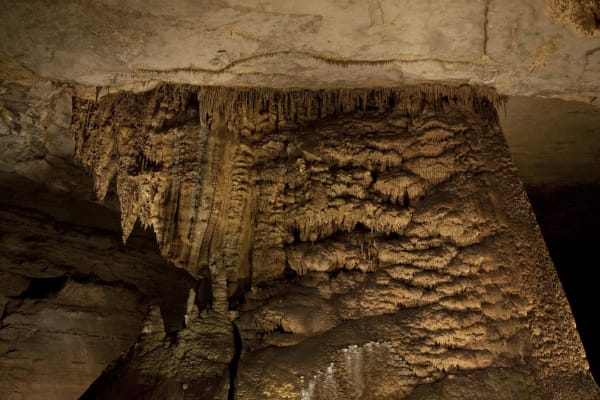
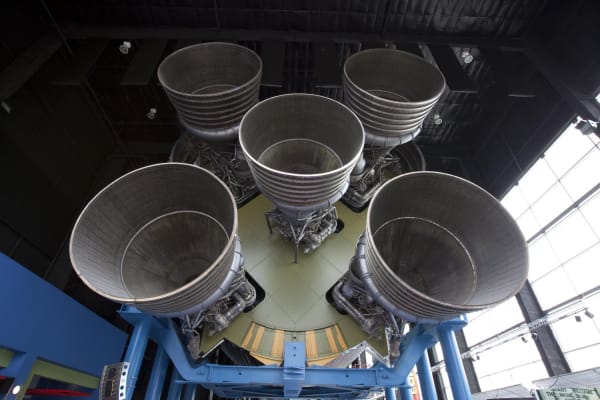
Redstone Arsenal turned Huntsville toward rockets after 1950, and the U.S. Space & Rocket Center tells that story, the Saturn V and Space Camp included, along with the von Braun team's Nazi past. Around it are Monte Sano's CCC cabins, the sandhill cranes wintering at the 1938 Wheeler refuge, Cathedral Caverns and the eagles over Lake Guntersville, and a monk's miniature shrines at Cullman's Ave Maria Grotto.
What to See in Huntsville & the Tennessee Valley
12 places across the region, grouped by what they are.
Geology & Rock Formations
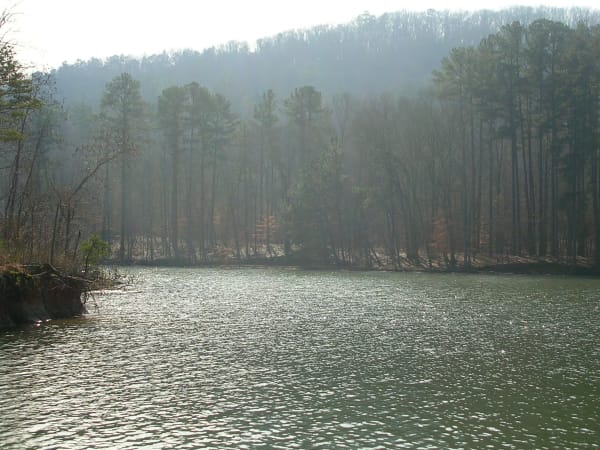
Natural Areas
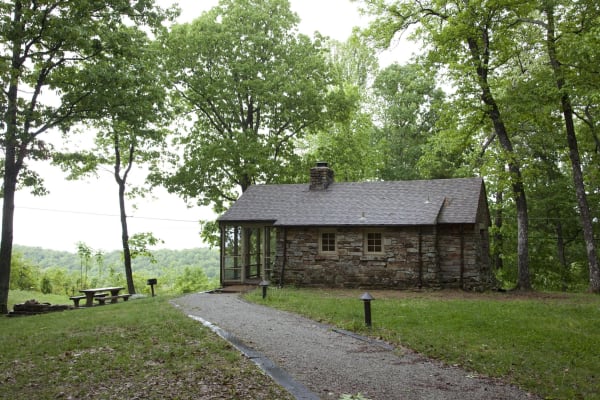

Historic Sites
Towns & Gateways
Huntsville & the Tennessee Valley rewards the unhurried. Pick a base, fan out, and let the country between the headline stops surprise you.
← Explore more of Open Road Guide