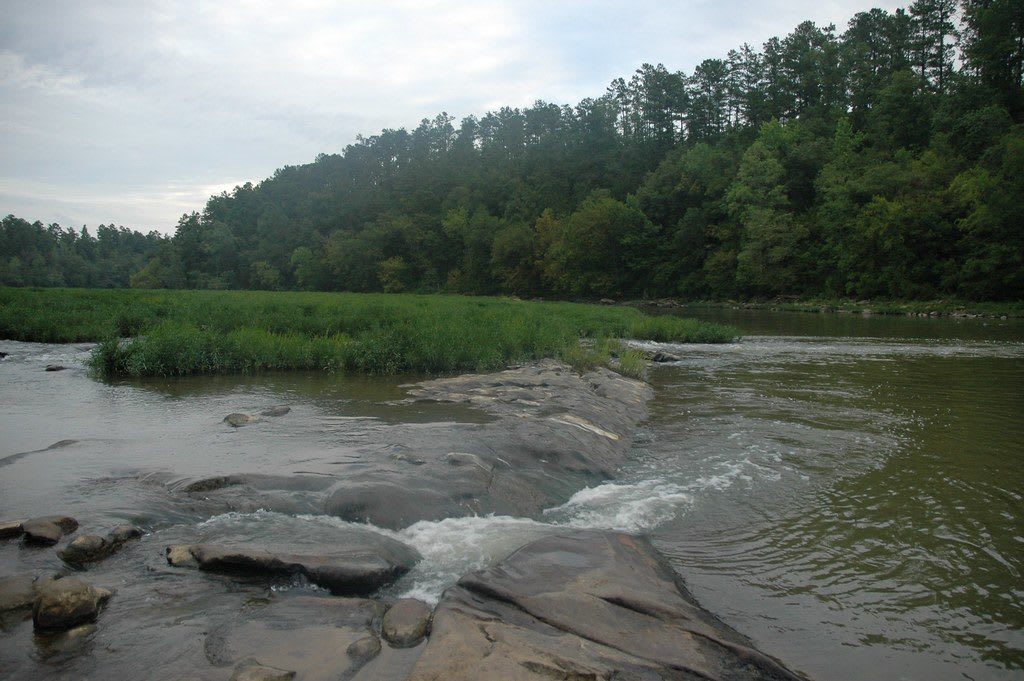
The Cahaba River running over a rock shoal past a grassy island, with pine-covered hills behind.
USFWS Southeast / CC BY 2.0 via Flickr
Alabama · Region

Birmingham & Central Alabama

Creek country on the Cahaba, Sloss Furnaces and Vulcan, Rickwood Field, Sixteenth Street Baptist Church and the Civil Rights Institute, Talladega and Oak Mountain.

12 places to explore

Upper Creek towns stood along the Cahaba, where the Cahaba River National Wildlife Refuge now guards the river's spring lilies, until the 1814 Treaty of Fort Jackson took Jones Valley, Red Mountain and much more from the Muscogee (Creek) Nation. Talladega takes its name from Talatigi, a Creek town where Jackson's militia broke a Red Stick siege in 1813, and the 1832 Treaty of Cusseta took the last Creek land and opened the road to removal. Near Childersburg the Kymulga covered bridge still stands on the old McIntosh Road.

Iron built Birmingham. Brierfield's ruined furnace belonged to the Confederacy, bought in 1863 with nine enslaved people, and the Sloss company worked leased convicts in its coal mines until 1928. Vulcan, cast from Red Mountain ore, looks down from his tower, and Rickwood Field, the oldest professional ballpark in the country, was home to the Black Barons of Satchel Paige and Willie Mays.

In 1963 the movement came to a head here. Sixteenth Street Baptist Church, where a Klan bomb killed four girls that September, faces the Civil Rights Institute and Kelly Ingram Park, and Fred Shuttlesworth's Bethel Baptist stands in Collegeville. Talladega College, founded by freedmen in 1865, keeps Hale Woodruff's Amistad murals, the Talladega Superspeedway is NASCAR's longest track, and Oak Mountain State Park has seventy miles of trail just south of the city.

What to See in Birmingham & Central Alabama

12 places across the region, grouped by what they are.

Natural Areas
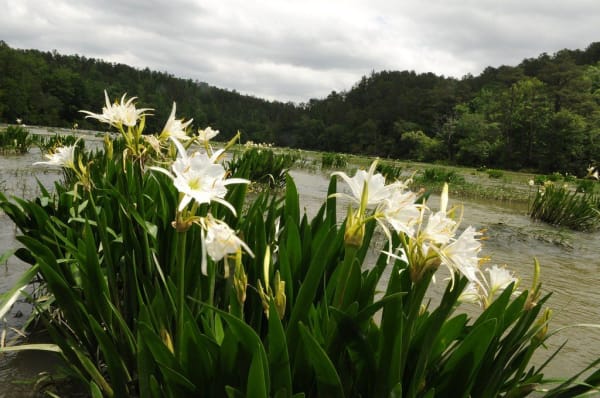
White Cahaba lilies blooming on a rocky shoal of the river, with wooded hills behind.

Cahaba River National Wildlife Refuge

West Blocton

A protected stretch of Alabama's longest free-flowing river near West Blocton, with the largest known stand of Cahaba lilies.

View details →
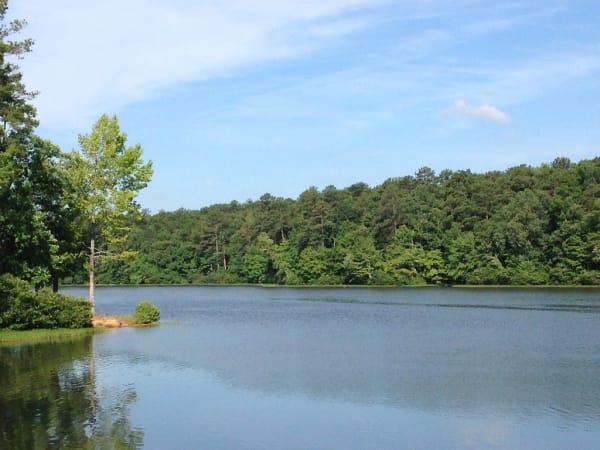
A calm lake reflecting a wooded ridge and blue sky.

Oak Mountain State Park

Pelham

Alabama's largest state park, just south of Birmingham: ridges, lakes, Peavine Falls, 70 miles of trail and a wildlife center.

View details →

Historic Sites

A two-story brick church with a crenellated front tower and twin entrance stairs on a neighborhood street corner.

Historic Bethel Baptist Church

Birmingham

Fred Shuttlesworth's 1926 church in Collegeville, headquarters of the Alabama Christian Movement for Human Rights and bombed three times.

View details →
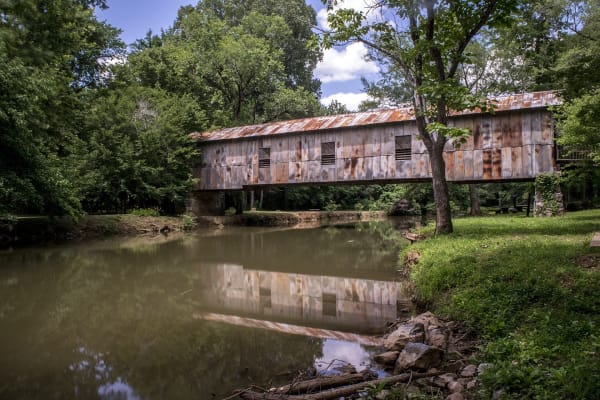
The Kymulga covered bridge, its tin roof rusted, reflected in Talladega Creek under summer trees.

Kymulga Grist Mill and Covered Bridge

Childersburg

An 1864 mill built largely by leased enslaved workers and an older covered bridge on the McIntosh Road, both still where they were built, near Childersburg.

View details →
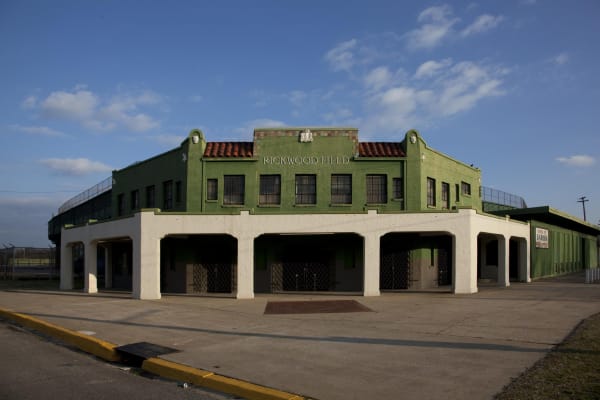
The green stucco Mission-style entrance of a ballpark with a red tile roof and arched openings.

Rickwood Field

Birmingham

The nation's oldest operating professional ballpark, opened in 1910, home of the Birmingham Barons and the Negro League Birmingham Black Barons.

View details →
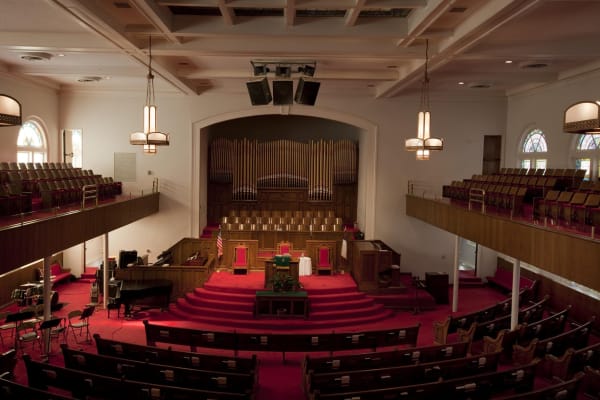
The sanctuary of a brick church with red carpet and pews, a curved balcony and arched stained-glass windows.

Sixteenth Street Baptist Church

Birmingham

Birmingham's first Black church, the staging ground of the 1963 campaign, where a Klan bomb killed four girls on September 15, 1963.

View details →
A black-and-white view of a columned Greek Revival hall seen up a shaded walk under large trees.

Talladega College

Talladega

Alabama's oldest private historically Black college, founded by freedmen in 1865 in a school building that enslaved men had built, home of Hale Woodruff's Amistad murals.

View details →
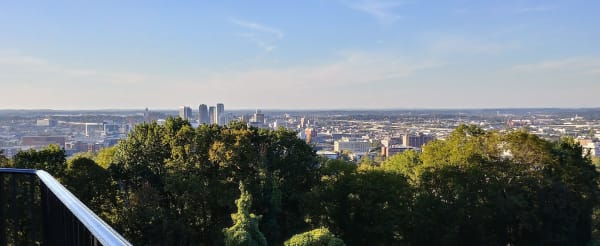
Downtown Birmingham's towers on the horizon beyond the wooded slope of Red Mountain, seen from the railing at Vulcan Park.

Vulcan Park and Museum

Birmingham

The 56-foot cast-iron Vulcan, made for the 1904 World's Fair from Red Mountain ore, on a 1930s WPA tower above Birmingham.

View details →

Towns & Gateways

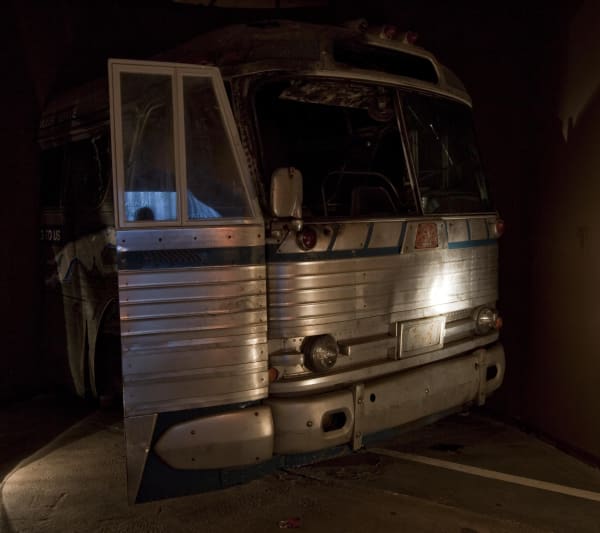
A battered silver replica of a Freedom Riders bus displayed in a dim museum gallery.

Birmingham Civil Rights Institute

Birmingham

The museum and archive across from Sixteenth Street Baptist Church, beside Kelly Ingram Park, where police turned hoses and dogs on marching children in May 1963.

View details →

Industry & Mining

The crumbling brick ruin of a blast furnace among bare winter trees.

Brierfield Ironworks Historical State Park

Brierfield

Ruins of the only ironworks the Confederacy owned outright, bought in 1863 with nine enslaved people and burned by Wilson's raiders in 1865.

View details →
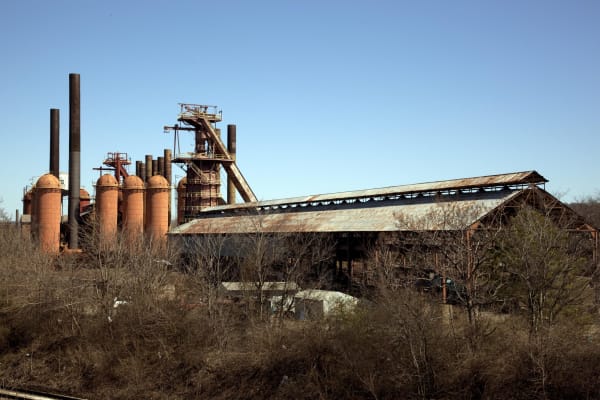
Rusting smokestacks, round hot-blast stoves and a long casting shed rising above brush under a blue sky.

Sloss Furnaces National Historic Landmark

Birmingham

Birmingham's preserved blast furnace plant, founded in 1881, a museum of pig iron and of the convict labor and Black workforce behind it.

View details →

Attractions

Stock cars racing past packed grandstands on a wide banked track under a cloudy sky.

Talladega Superspeedway

Lincoln

NASCAR's longest and fastest track, opened in 1969 on an old Army airfield, with the motorsports hall of fame and museum beside it.

View details →

Birmingham & Central Alabama rewards the unhurried. Pick a base, fan out, and let the country between the headline stops surprise you.

← Explore more of Open Road Guide