 Carol M. Highsmith / public domain via Library of Congress
The Story
Mayor David Vann first proposed the institute in 1977, and Richard Arrington Jr., elected in 1979 as Birmingham's first Black mayor, carried it out, naming Odessa Woolfolk and Frank Young to lead the planning. It was built as part of a civil rights district that also renovated Kelly Ingram Park and brought the Alabama Jazz Hall of Fame into the old Carver Theatre. A statue of Fred Shuttlesworth stands near the door.
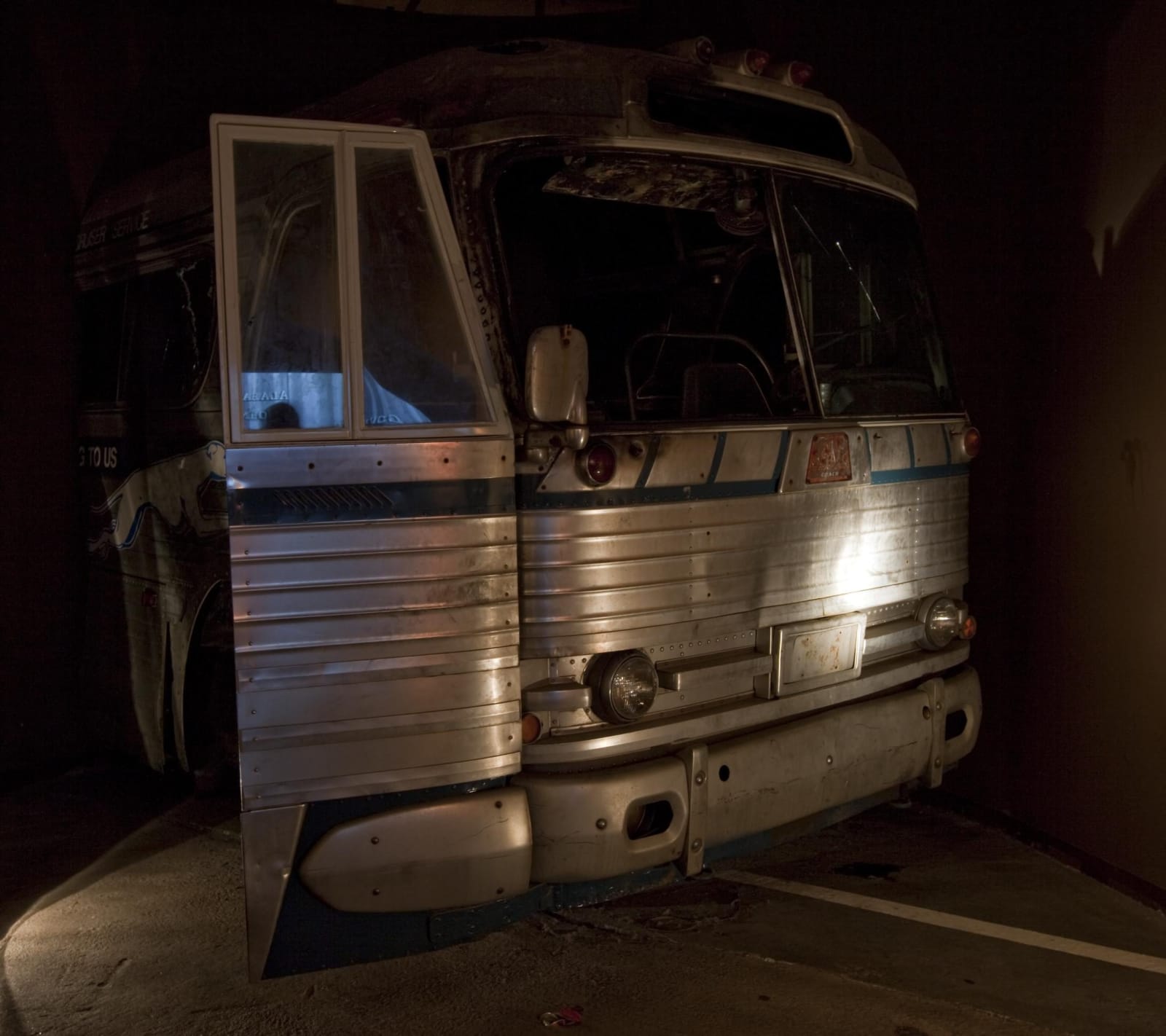
The galleries walk you through segregated Birmingham: the entrance to a coal mine, a segregated streetcar, a shotgun house, a classroom, a church. Then come the recorded voices of the men who ran the city, and the years from the late 1940s to the mid-1960s when nearly fifty unsolved racist bombings earned it the name "Bombingham." A replica of a Freedom Riders' bus fills the main room. The archive holds the papers of Shuttlesworth and of Ruth Barefield-Pendleton, longtime secretary of the Alabama Christian Movement for Human Rights.
A window looks onto Kelly Ingram Park, and the park is the other half of the visit. In the first week of May 1963, under Public Safety Commissioner Bull Connor, police and firemen attacked demonstrators in the streets around it, many of them children: about a thousand children had been jailed by May 3, and in the days after, firemen turned high-pressure hoses on marchers and police loosed dogs into the crowds. Merchants soon took down their "whites only" signs and opened their lunch counters. Sculptures in the park now recall the hoses and the dogs.
Visitor Info
On the Map
Nearby
The closest stops worth working into your route
Historical markers nearby
Roadside plaques and monuments within a short detour