 Carol M. Highsmith / public domain via Library of Congress
The Story
James Withers Sloss, a planter and railroad developer from Limestone County, put his first two blast furnaces into blast here in 1882 and 1883, where the Louisville and Nashville met the Alabama Great Southern on the east side of the young city, close to the coal, red ore and limestone of Jones Valley. A Virginia syndicate led by Joseph Bryan bought control in 1886-87. Despite its later name, Sloss-Sheffield Steel and Iron, the company never made steel; it became one of the country's two great makers of foundry pig iron, cast into pipe, stove plates and engine blocks.
The fortune rested on cheap and forced labor. Bryan's investors came south expecting low wages from Black workers fleeing sharecropping, and they leased state and county prisoners, swept up by a racist legal system, to dig coal in the company's mines. At the Coalburg prison mine the county health officer counted 90 deaths per thousand prisoners in his 1895 report. Sloss went on working county convicts after its largest rival had stopped, until 1928, the year Alabama, last of all the states, ended convict leasing.
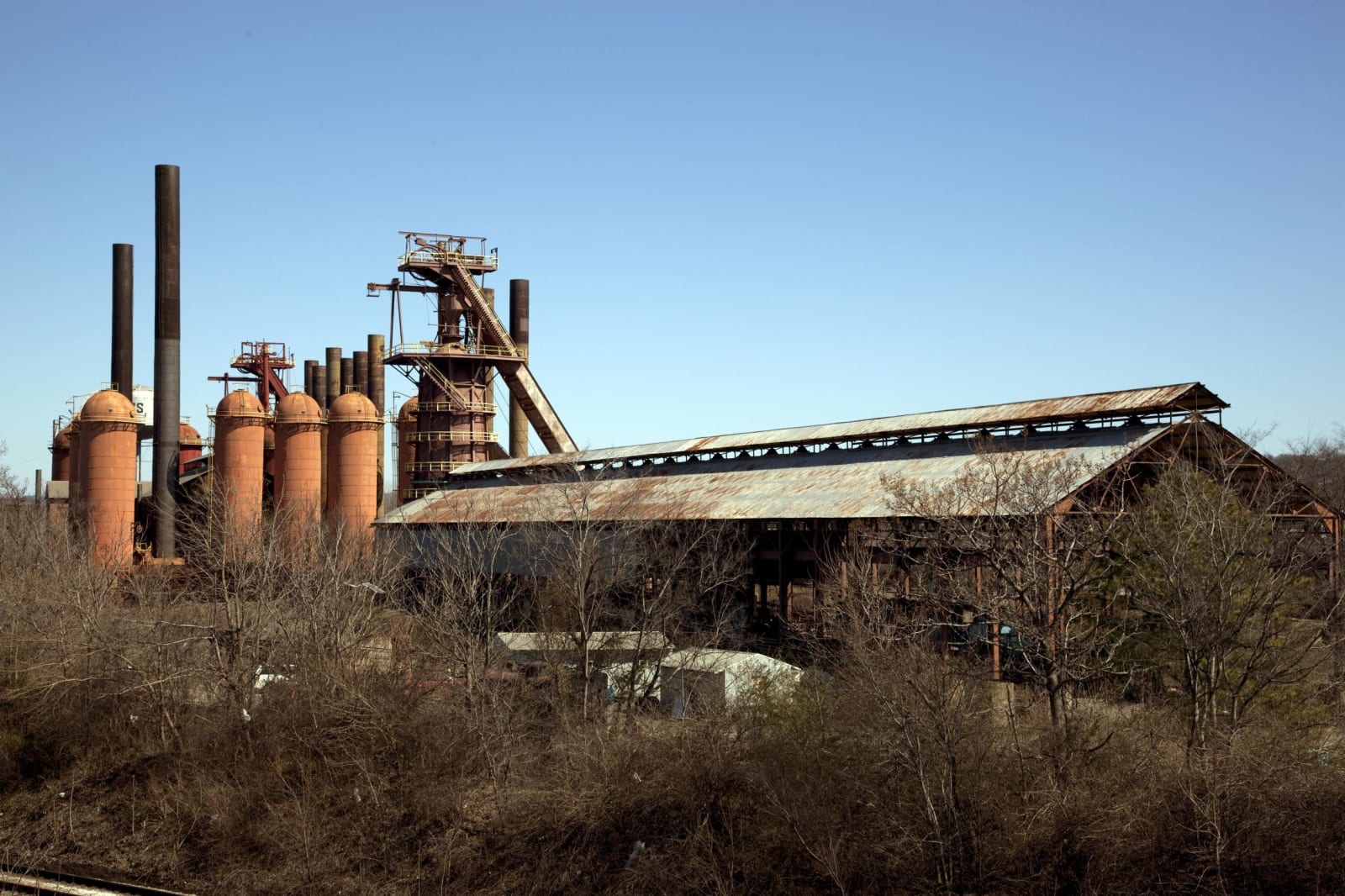
The stacks you see are the two furnaces rebuilt to James Dovel's design in the 1920s, saved by citizens when production ended and now a National Historic Landmark. Start at the visitor center for a self-guided brochure and a short film, then walk among the stoves, pipes and casting sheds. The museum is free, and guided tours run most weekend afternoons. A community of metal artists works on the site.
Visitor Info
On the Map
Nearby
The closest stops worth working into your route
Historical markers nearby
Roadside plaques and monuments within a short detour