Tuscaloosa & West Alabama
Moundville's mounds, the Tuscaloosa capitol ruins, Foster Auditorium and Bloody Tuesday, Gaineswood, Greensboro's Safe House and the Aliceville POW museum.
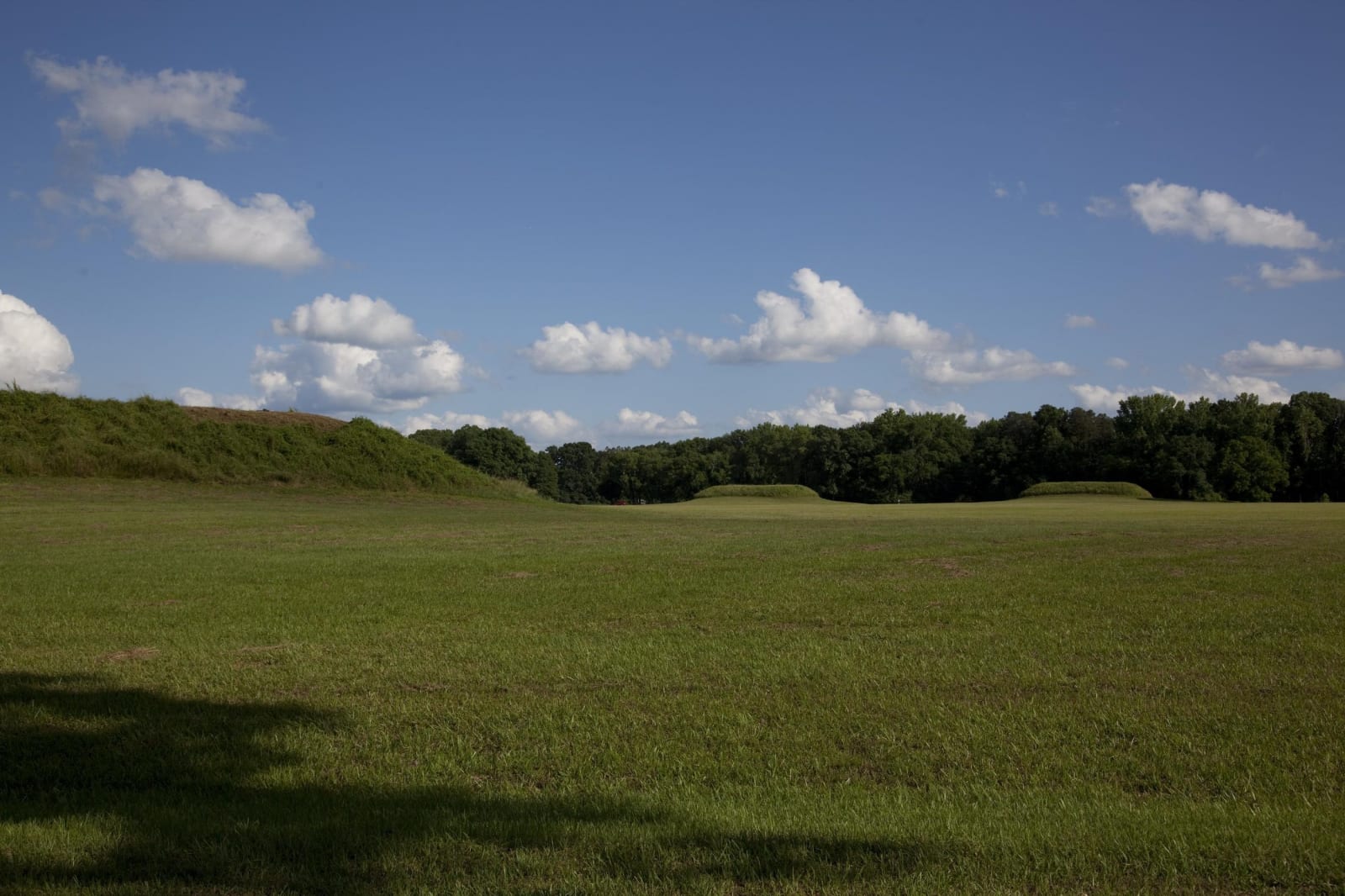
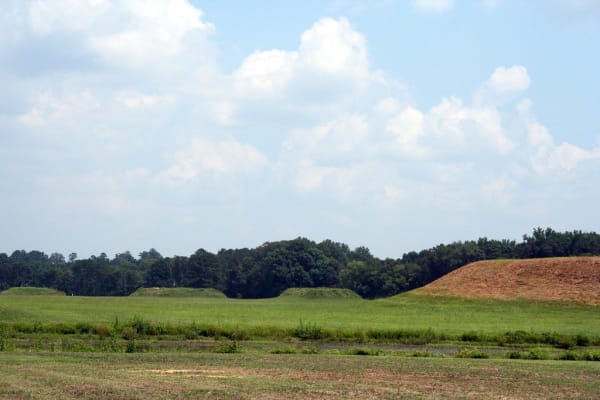
Eight hundred years ago Mississippian people raised 29 mounds around a plaza above the Black Warrior River at Moundville, a town second only to Cahokia. Tuscaloosa is named for Tascalusa, the leader who met de Soto's army in 1540, and the country west to the Tombigbee was Choctaw and Creek land until the cessions of 1814 to 1830.
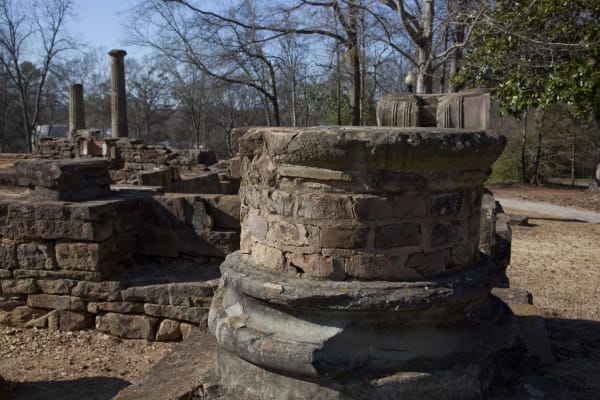
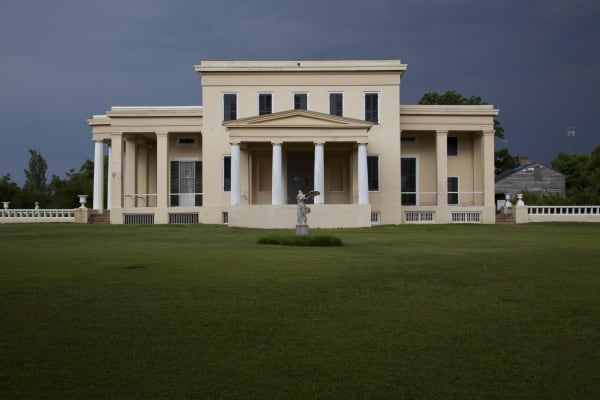
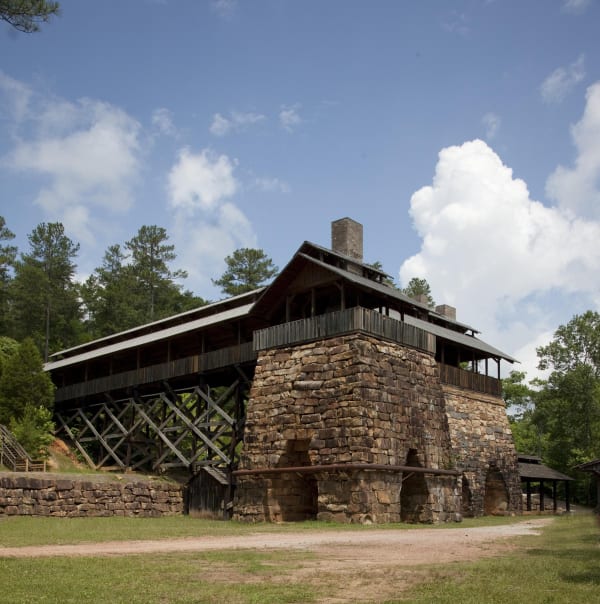
Cotton and slavery followed. Enslaved builders raised the capitol whose ruins stand in Tuscaloosa's Capitol Park, Nathan Whitfield held 235 people in slavery while building Gaineswood at Demopolis, and enslaved men fired the Tannehill furnaces. At Carrollton a face in a courthouse window is a legend about Henry Wells; in the town jail a white mob shot five Black prisoners to death in 1893.
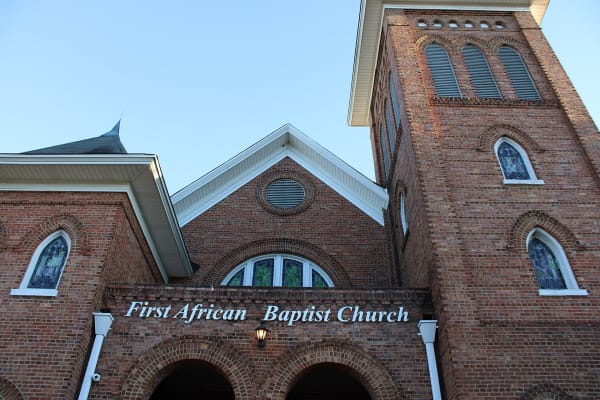
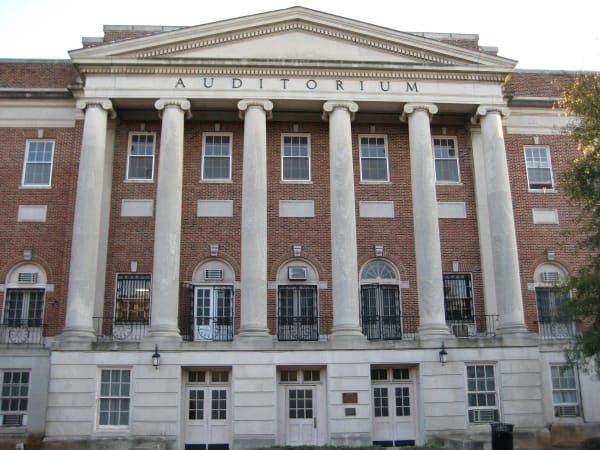
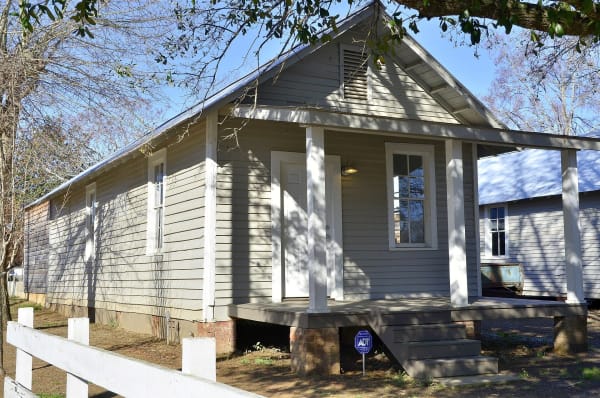
The struggle for civil rights ran through the university's Foster Auditorium, from Autherine Lucy's expulsion in 1956 to George Wallace's stand in the door in 1963, and through First African Baptist Church, where marchers were tear-gassed on Bloody Tuesday in 1964. In Greensboro, neighbors hid Martin Luther King Jr. from the Klan in a shotgun house that is now a museum. Aliceville's museum keeps the story of its German prisoner-of-war camp, Fayette honors the mud paintings of Jimmy Lee Sudduth, and Lake Lurleen offers trail and water.
What to See in Tuscaloosa & West Alabama
12 places across the region, grouped by what they are.
Natural Areas
Historic Sites
Towns & Gateways
Industry & Mining
Tuscaloosa & West Alabama rewards the unhurried. Pick a base, fan out, and let the country between the headline stops surprise you.
← Explore more of Open Road Guide