 Magnolia677 / CC BY 4.0 via Wikimedia Commons
The Story
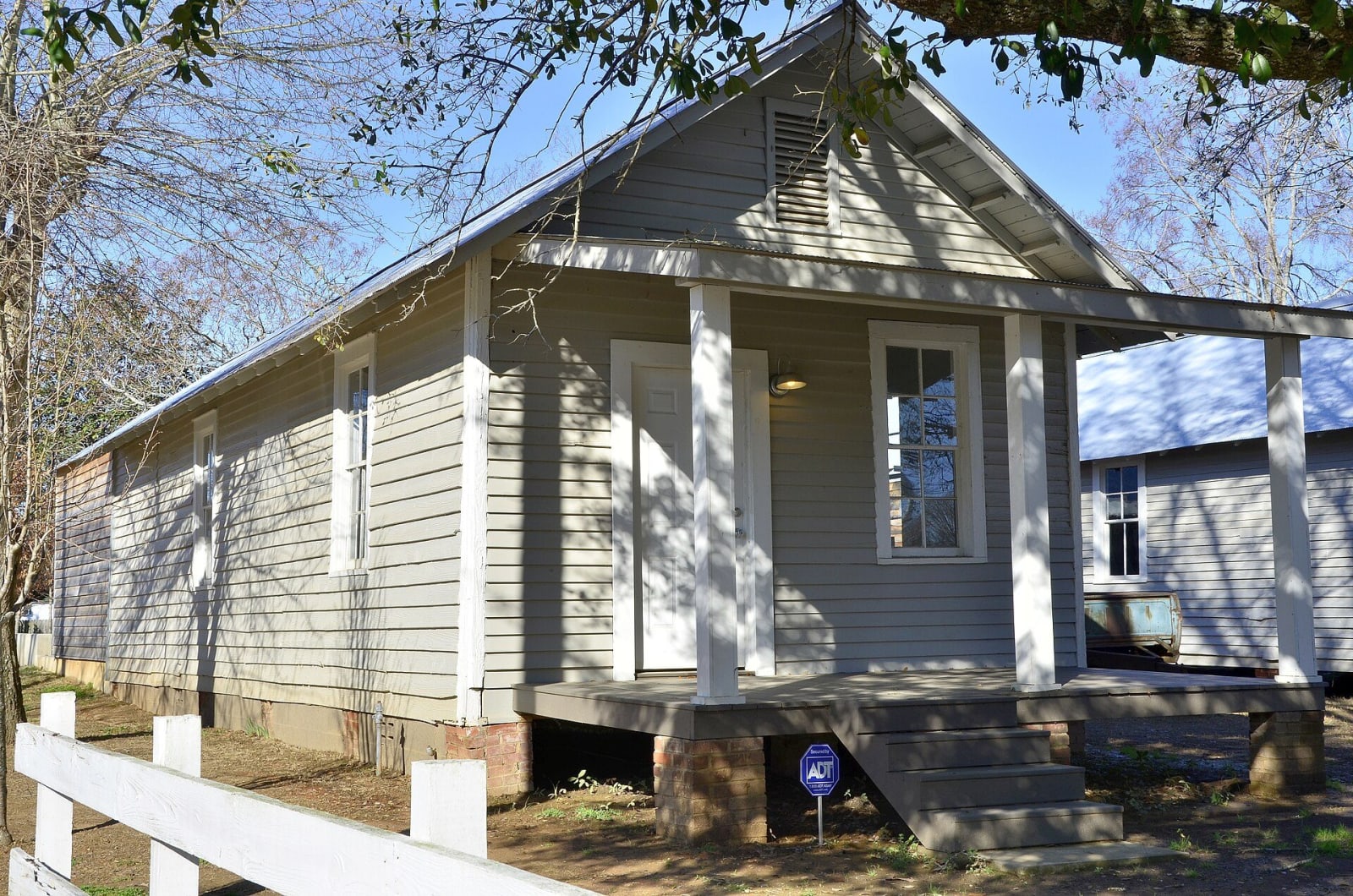
On the night of March 21, 1968, Martin Luther King Jr. was in Greensboro meeting with Black Belt organizers at St. Matthew's Church, two weeks before he was killed in Memphis. Word came that Klansmen were hunting him: two churches on the edge of town had been set on fire and men were waiting on the roads out. Theresa Burroughs, a local beautician and organizer who had known Coretta Scott King since childhood, insisted he come to her family's property. He hid first in her beauty shop and then spent the night in the small shotgun house across the street, her mother Mattie's home, while neighbors stood watch outside.
Burroughs had been arrested six times in the movement and was among the first marchers to cross the Edmund Pettus Bridge in 1965. In 2002 she opened the museum in that house, built around 1900 for workers at the local cotton gin, to tell the Black Belt's own civil rights history. Its walls hold photographs and documents she gathered from fellow foot soldiers, including a large set of mug shots of arrested marchers and a picture of Burroughs shielding herself from tear gas on the bridge, along with farm tools, instruments and household goods from Hale County families.
In 2010 architecture students from Auburn University's Rural Studio restored the pine exterior, reopened the porch and joined the house to its neighbor with a glass hallway, making a gallery and classroom. Burroughs died in 2019. The museum opens by appointment, so call ahead.
Visitor Info
On the Map
Nearby
The closest stops worth working into your route
Historical markers nearby
Roadside plaques and monuments within a short detour