 Carol M. Highsmith / public domain via Library of Congress
The Story
This was Choctaw country until the 1816 Treaty of Fort St. Stephens, and the first house on the site was a cabin built in the 1820s by George Strother Gaines, the government's trader to the Choctaw. Local tradition holds that Gaines met the Choctaw leader Pushmataha under an oak on the grounds. In 1842 Nathan Bryan Whitfield, a North Carolina planter who had lost three children to yellow fever at his first Alabama plantation, bought the cabin and 480 acres.
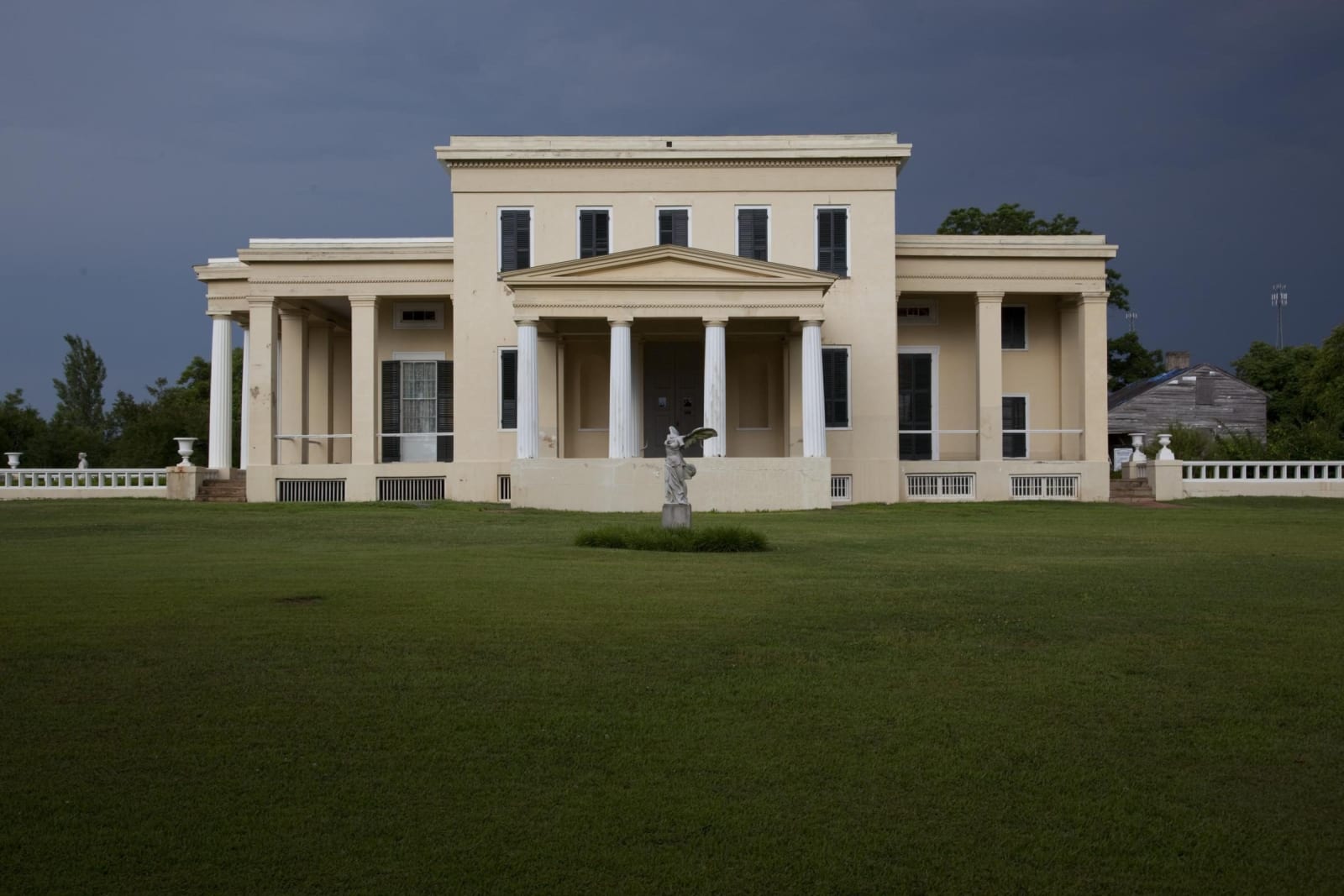
Over the next eighteen years Whitfield turned the cabin into an elaborate mansion, acting as his own architect from pattern books by Minard Lafever and others. It uses all three Greek orders, Doric, Ionic and Corinthian, and its suites of rooms rise into domed ceilings. The money and much of the work came from enslaved people. By 1860 Whitfield held 235 people in slavery across as many as 7,200 acres, and they grew nearly 600 bales of cotton that year. Enslaved craftsmen worked on the house beside free artisans such as the painter John Gibson, and a kitchen, slave quarters and stables still stand on the grounds.
Whitfield sold the place to his son in 1861 and died in 1868. It left the family in 1923, the state bought it in 1966, and the Alabama Historical Commission opened it in 1975, furnished as in 1861 with many Whitfield pieces, among them the flutina, a barrel organ he designed. Guided tours run through the house.
Visitor Info
On the Map
Nearby
The closest stops worth working into your route
Historical markers nearby
Roadside plaques and monuments within a short detour