Texarkana, El Dorado & the Timberlands
A Southwest Trail town that was a Confederate capital, Poison Spring, the Smackover oil boom, El Dorado's downtown and the lake and forest parks of south Arkansas.
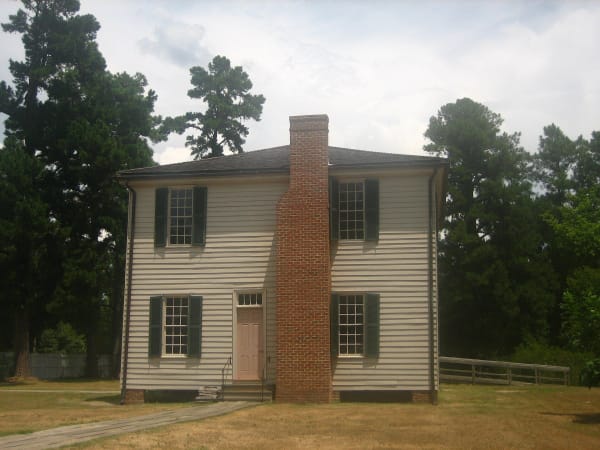
Caddo people built villages and mounds along the Red River in what is now Hempstead County, and the Caddo Trace ran from the Quapaw towns on the Arkansas to the Caddo towns on the Red, crossing the Ouachita at Camden. Treaties in 1818 and 1824 took the Quapaw's land, and Choctaw, Chickasaw and Cherokee people passed through Washington on the removal west. Historic Washington State Park keeps that Southwest Trail town, the Confederate capital from 1863 to 1865, with its record of enslaved labor.
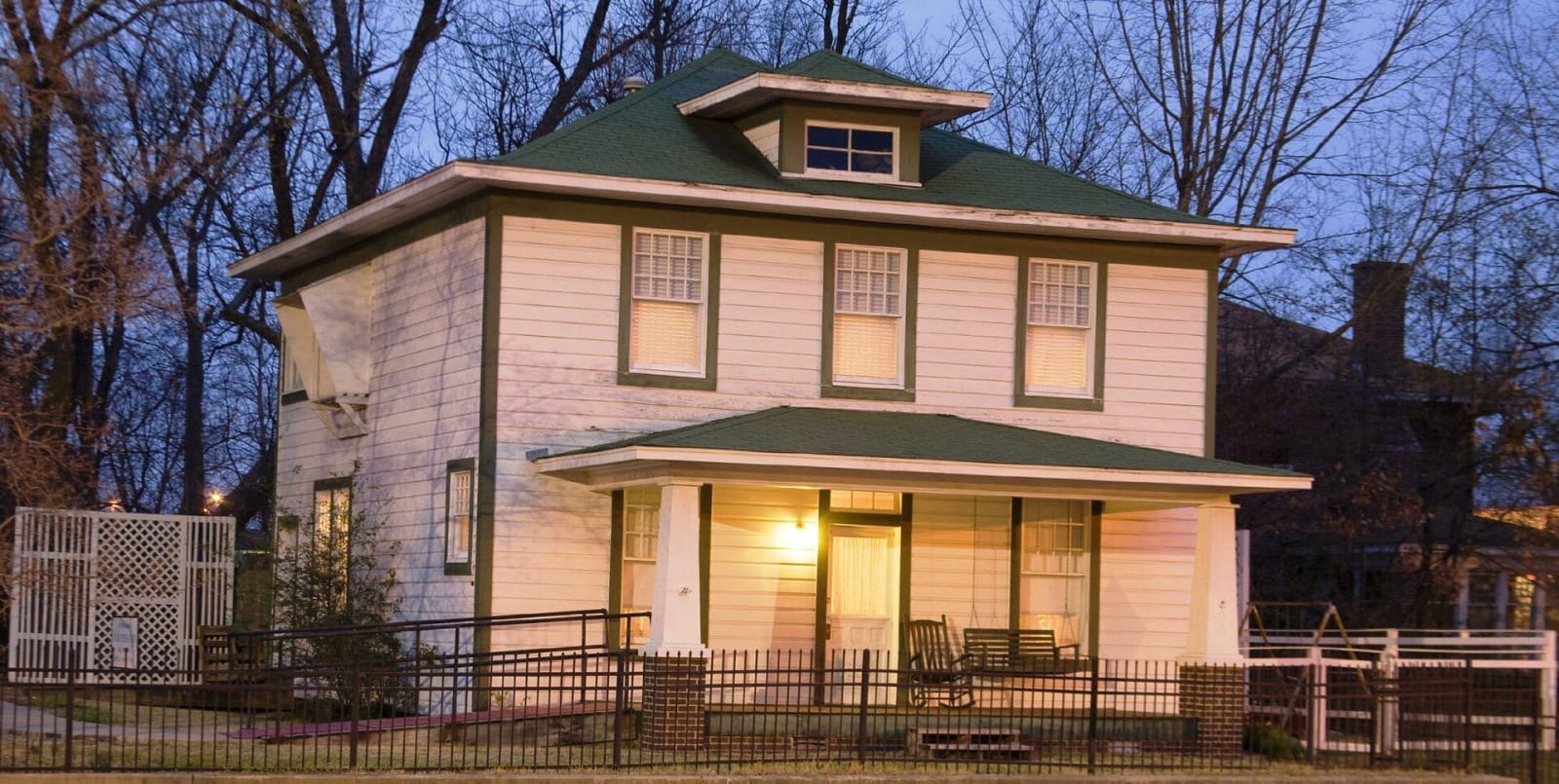
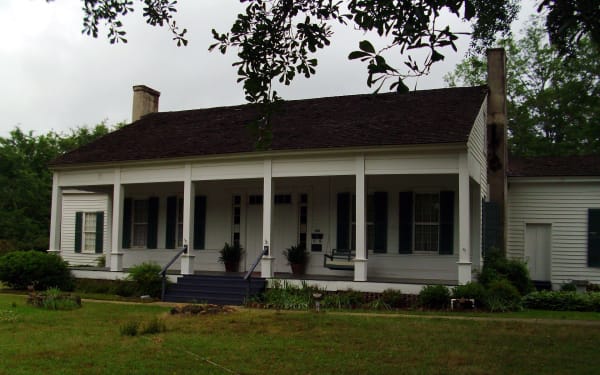
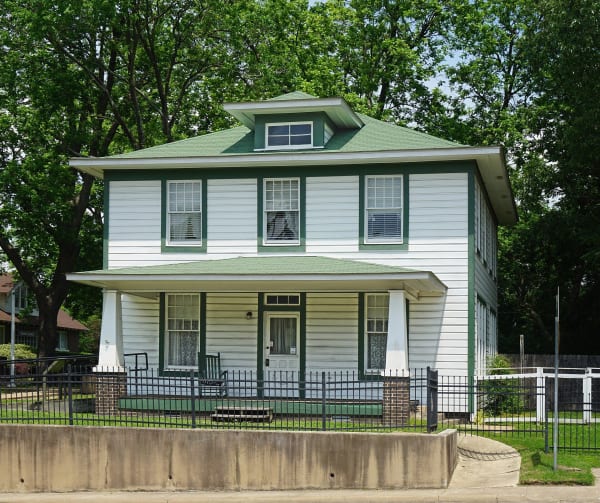
The war returned in April 1864. At Poison Spring Battleground State Park, many Black soldiers of the 1st Kansas Colored Infantry were killed after the fight was over, and in Camden General Steele made his headquarters in the McCollum-Chidester House. Hope's Clinton Birthplace Home, where Bill Clinton lived his first four years, is a short ranger tour.
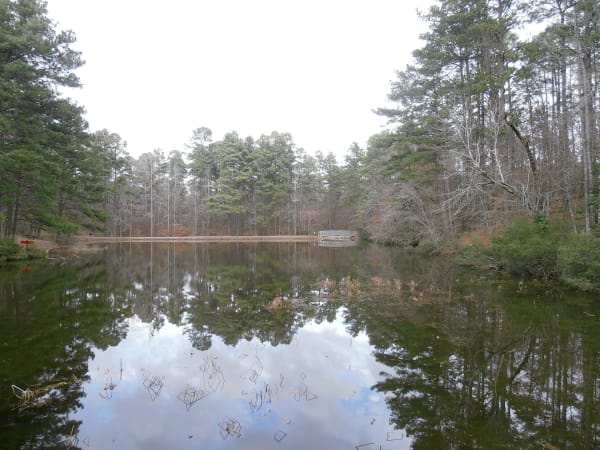
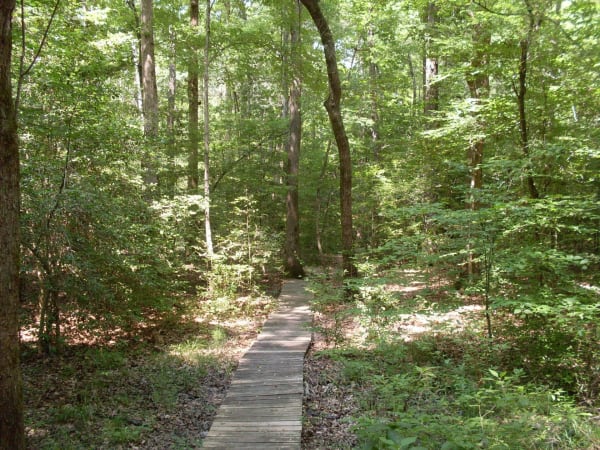
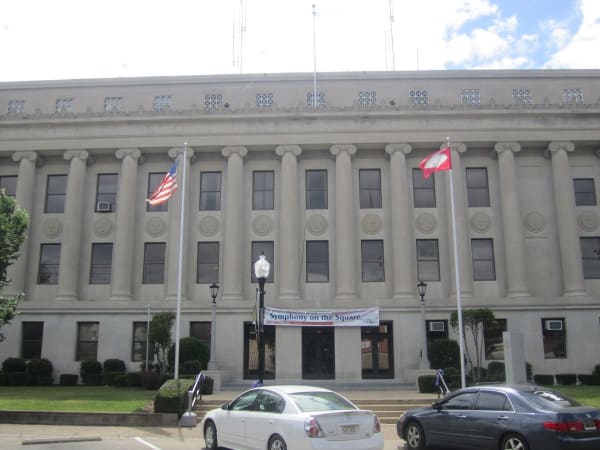
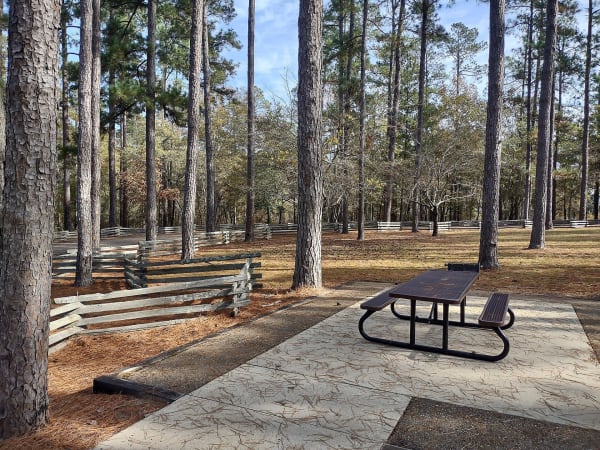
Oil remade the south. Dr. Busey's 1921 well made El Dorado a boomtown, and the Arkansas Museum of Natural Resources keeps the Smackover field. Magnolia's courthouse square is where Jordan Jameson was burned to death in 1919. Lakes and woods fill the rest: White Oak, Millwood and Moro Bay state parks, and the springs of Logoly. Moro Bay's cable ferry crossed the Ouachita from 1828 until bridges replaced it.
What to See in Texarkana, El Dorado & the Timberlands
11 places across the region, grouped by what they are.
Natural Areas
Hikes & Trails
Historic Sites
Architecture
Industry & Mining
Texarkana, El Dorado & the Timberlands rewards the unhurried. Pick a base, fan out, and let the country between the headline stops surprise you.
← Explore more of Open Road Guide