San Antonio & the Missions
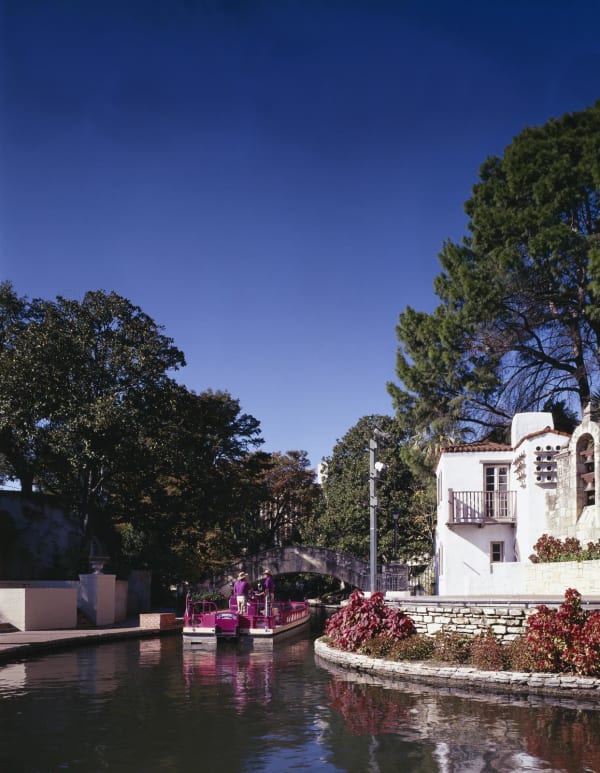
The Alamo and the four missions of a World Heritage Site, Main Plaza and the River Walk, New Braunfels and Gruene, Natural Bridge Caverns and Castroville's Alsatians.
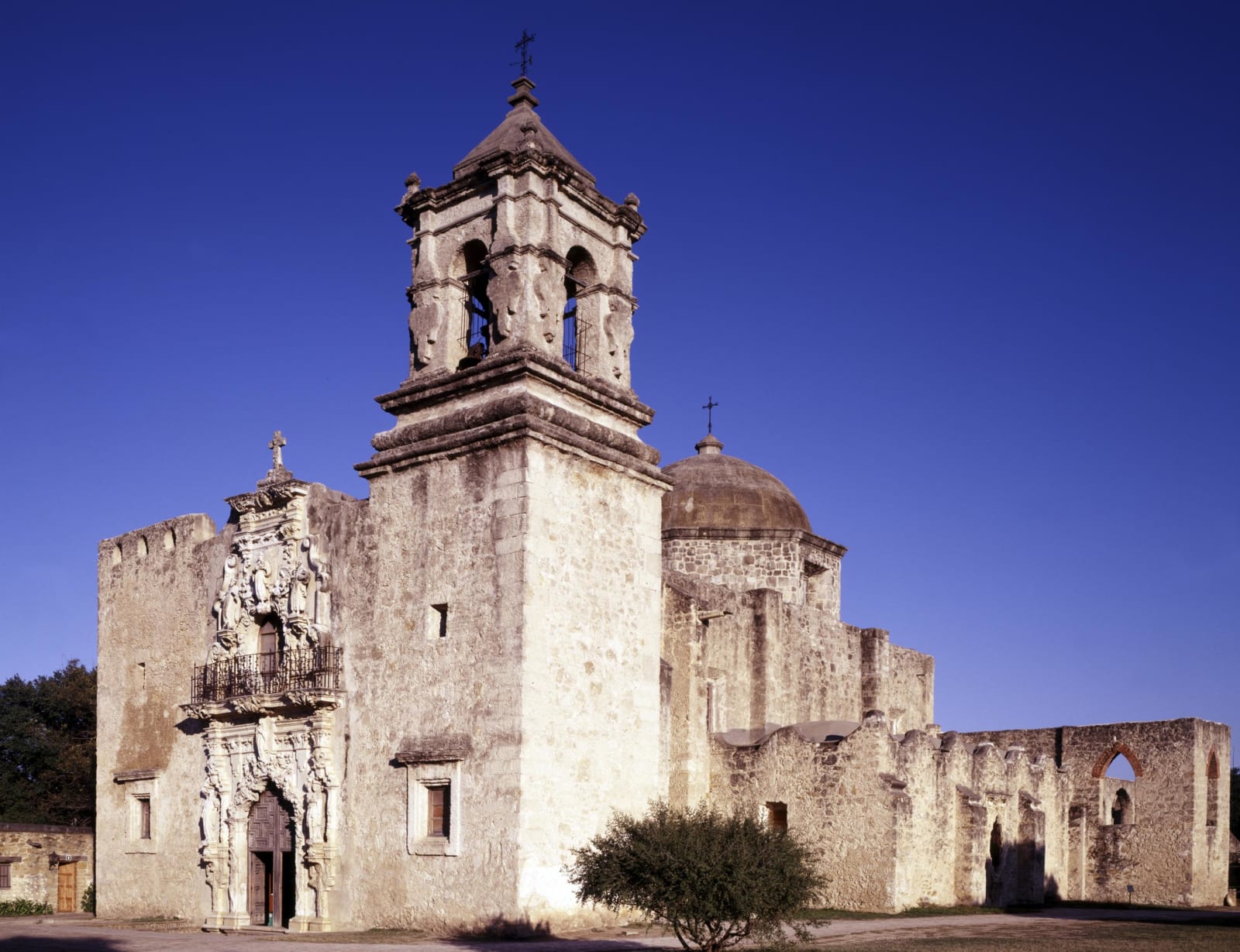
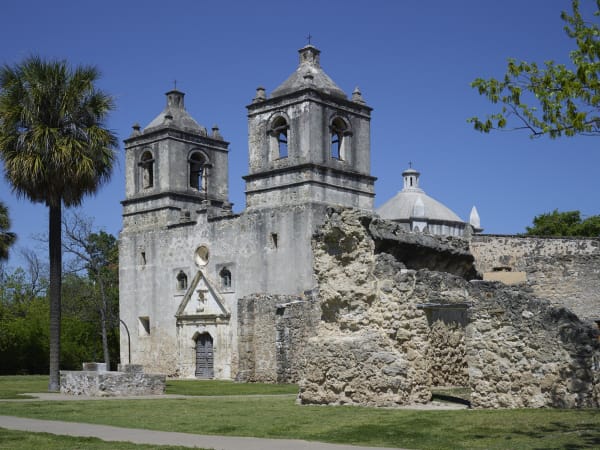
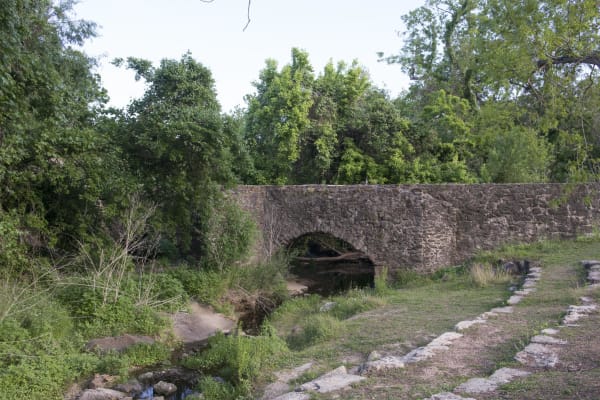
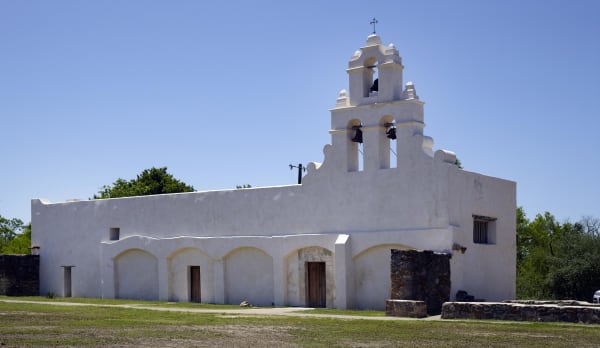
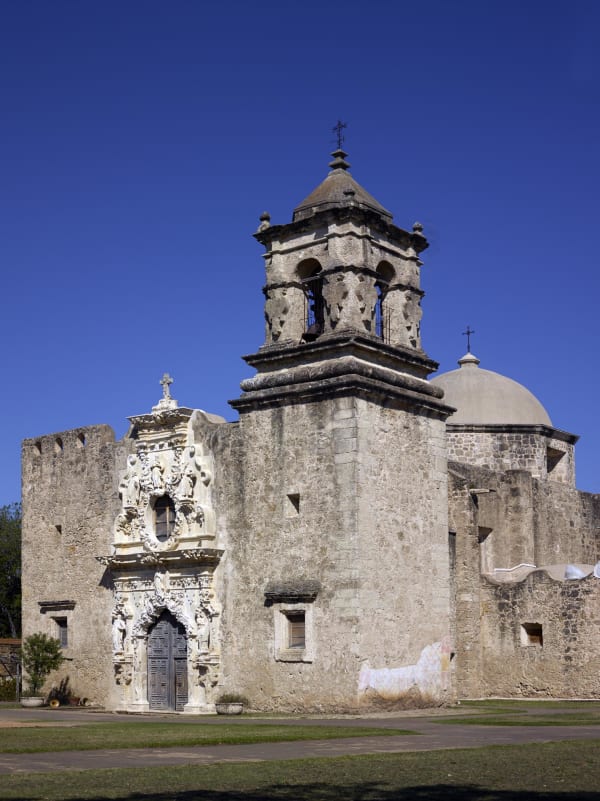
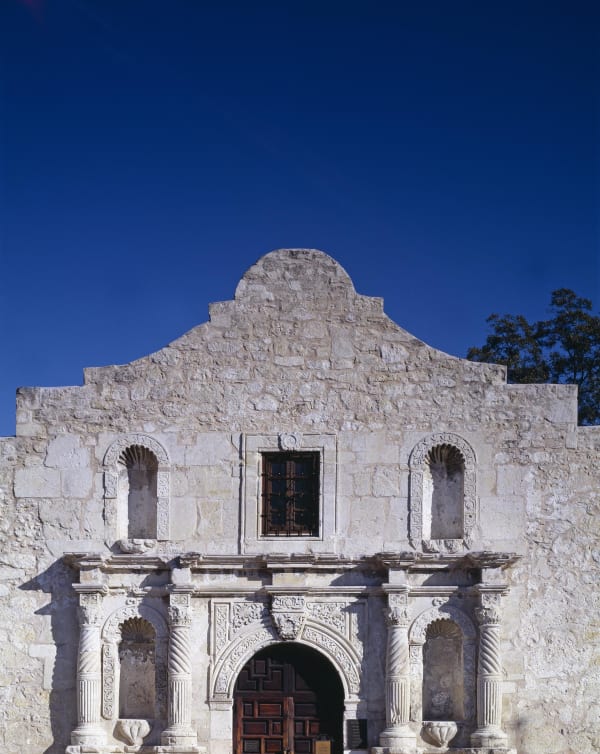
Spanish travelers in 1691 recorded an Indian settlement they called Yanaguana, and in May 1718 a Franciscan founded Mission San Antonio de Valero, later the Alamo, beside a new presidio. Four more missions down the river, Concepcion, San Jose, San Juan and Espada, are now a national historical park. The Spanish called the many bands of the region Coahuiltecans, and many South Texas families trace their roots to them today. In 2015 the missions and the Alamo became the first World Heritage Site in Texas.
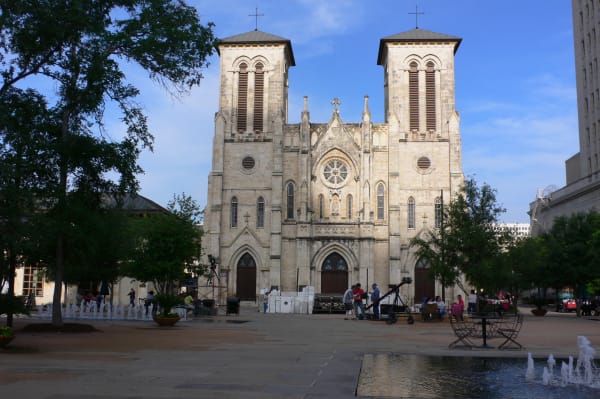
Canary Islanders founded the villa of San Fernando de Bexar in 1731 and laid out Main Plaza, and San Antonio became the capital of Spanish Texas. In March 1840 Texas troops killed thirty Penateka Comanche leaders and warriors and several women and children at the Council House during peace talks, and the Great Raid of that summer followed. The Spanish Governor's Palace still stands on Military Plaza.
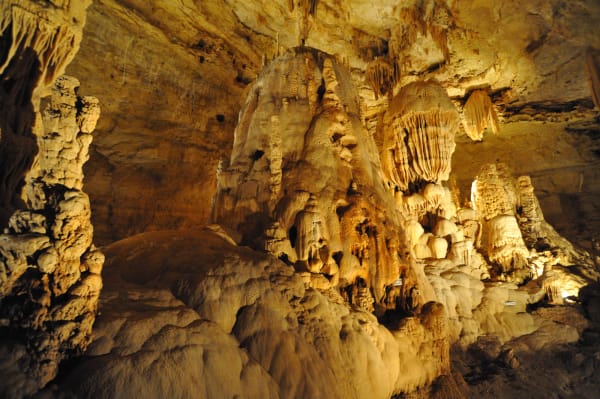
North on Interstate 35, Prince Carl of Solms-Braunfels brought German settlers to Comal Springs in 1845 and founded New Braunfels. Gruene's dance hall stands by the Guadalupe, and students from St. Mary's University found Natural Bridge Caverns in 1960. Seguin took the name of Juan N. Seguin in 1839. West on the Medina, Henri Castro's Alsatian colonists founded Castroville in 1844, and Floresville takes its name from a Canary Island family whose ranch stood nearby.
What to See in San Antonio & the Missions
15 places across the region, grouped by what they are.
Geology & Rock Formations
Historic Sites


Architecture


San Antonio & the Missions rewards the unhurried. Pick a base, fan out, and let the country between the headline stops surprise you.
← Explore more of Open Road Guide