 Heather Cowper / CC BY 2.0 via Flickr
The Story
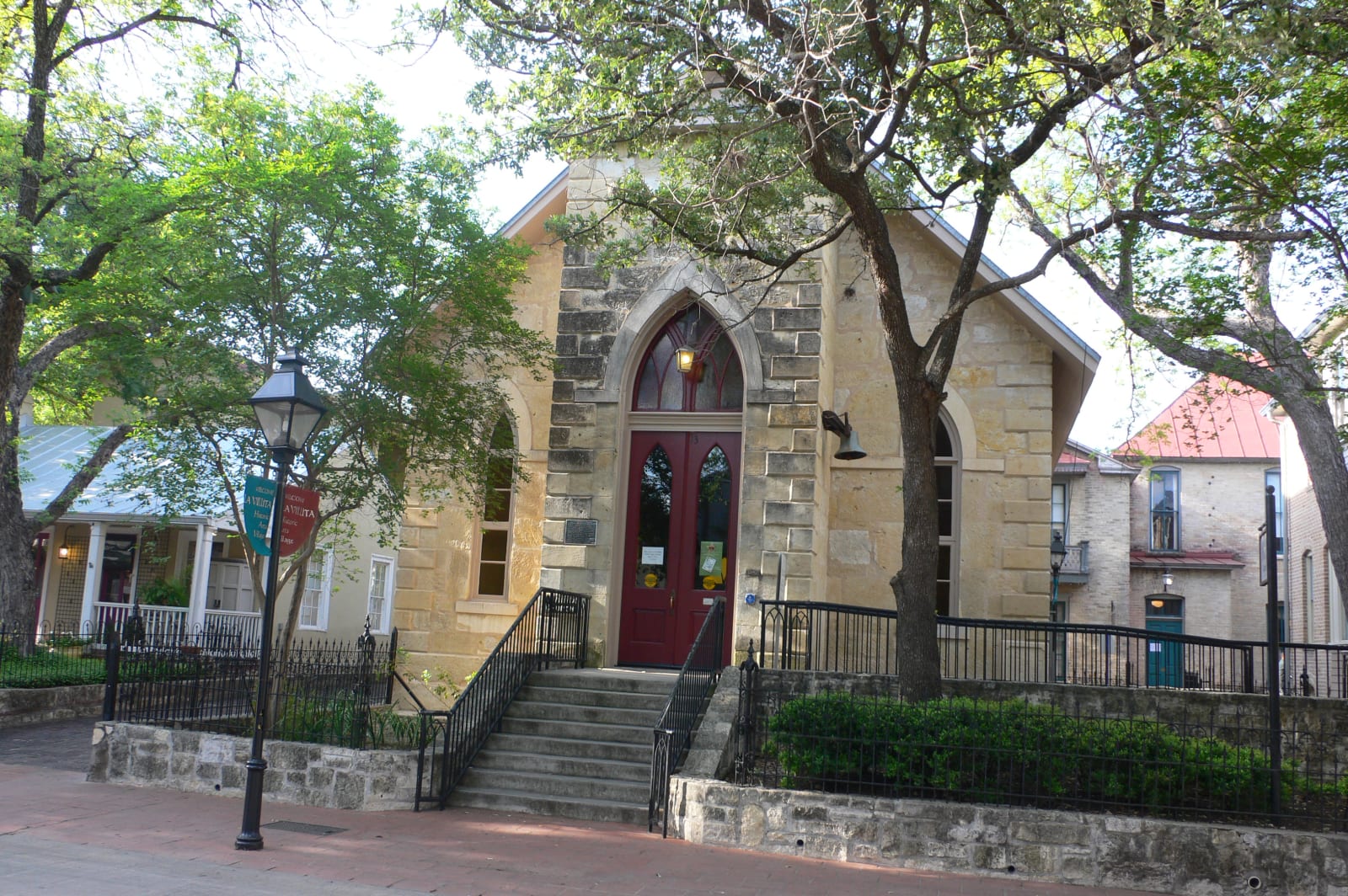
La Villita, the little village, grew on the east bank of the San Antonio River across from the presidio, on ground that had been a Coahuiltecan village site. Huts were going up by about 1722, first for families of the soldiers at the San Antonio de Béxar presidio, who after 1731 lived apart, across the river, from the Canary Islanders' town. In 1773 the area was opened to refugees from East Texas, and by 1819 a fairly exclusive neighborhood had grown up beside the soldiers' houses.
On December 10, 1835, Martín Perfecto de Cos surrendered San Antonio to the Texans on Villita Street, tradition says in the house of José María Salinas, four times alcalde, since called the Cos House. The ranger Jack Hays lived here in 1838. German immigrants came in the 1840s, followed by Swiss and French families, and the street and building names keep the layers: Guadalupe Street, Bolivar Hall, Juárez Plaza, the Cos House and McAllister Corner.
The village was saved by a city ordinance of October 12, 1939. In a two-year restoration the National Youth Administration trained 1,800 young people in arts and crafts while repairing the buildings, with the architect O'Neil Ford among the designers. The village served as a Red Cross center in World War II, and its 27 buildings were added to the National Register of Historic Places in 1972. It belongs to the city and still runs as an arts village of studios, galleries and shops, and it hosts the Night in Old San Antonio festival.
Visitor Info
On the Map
Nearby
The closest stops worth working into your route
Historical markers nearby
Roadside plaques and monuments within a short detour