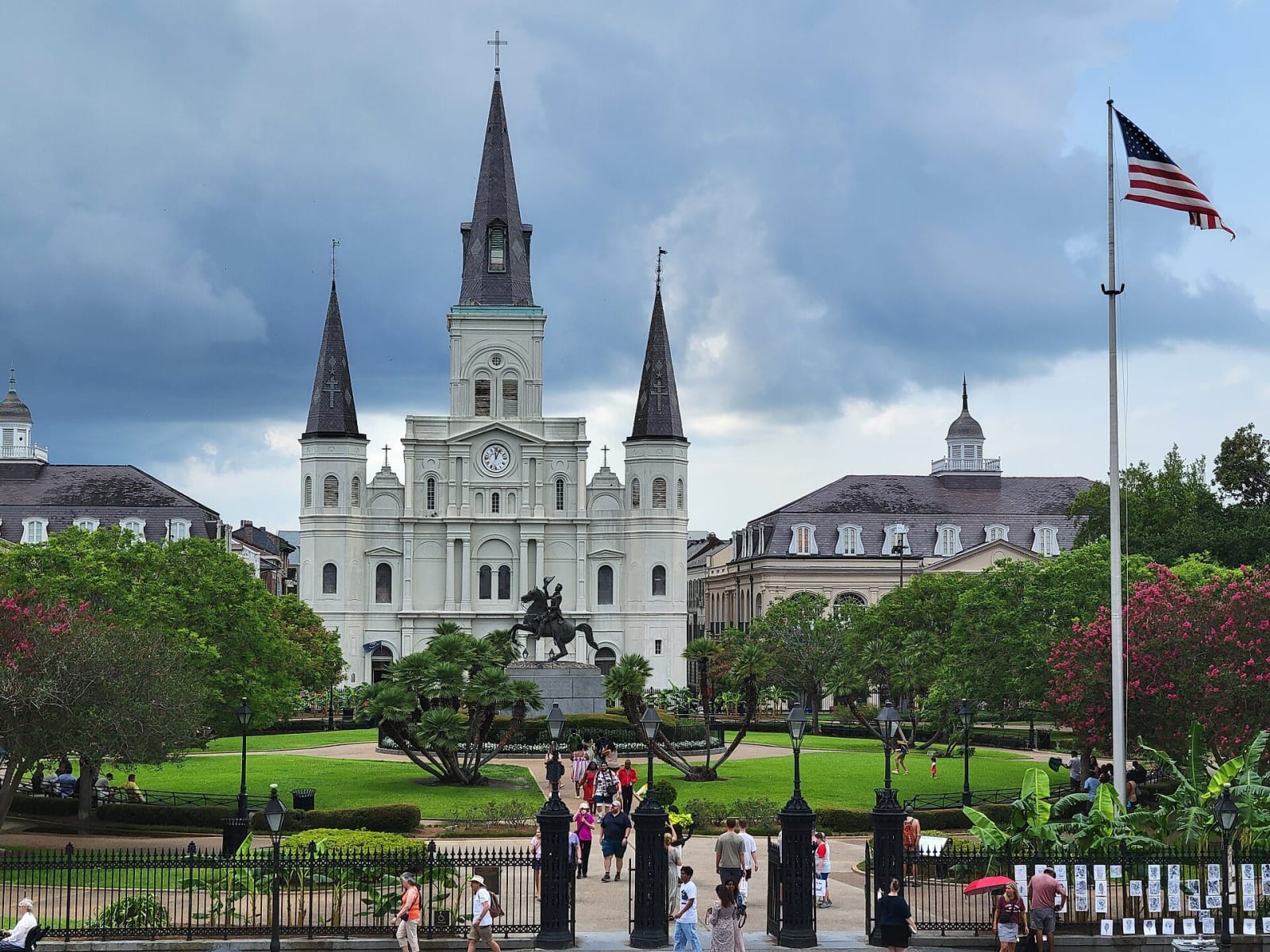
Jackson Square in New Orleans, with the lawn and iron fence in front, St. Louis Cathedral rising at the center and the Cabildo and Presbytere on either side.
Spatms / CC BY-SA 4.0 via Wikimedia Commons
Louisiana · Region

New Orleans & the River Parishes

From Chitimacha and Houma shell mounds to Congo Square, Jackson Square and the River Road, where enslaved people and the 1811 uprising are told plainly.

10 places to explore

Chitimacha and Houma people lived in this delta nearly 2,500 years ago, and the shell middens and mounds at Barataria Preserve still mark their villages. Much later a city grew on the river. The Cabildo on Jackson Square saw Louisiana change flags in 1803 and later seated the state Supreme Court, where Homer Plessy's case was heard. He is buried in St. Louis Cemetery No. 1, which has been open only on guided tours since 2015.

Black New Orleans shaped what followed. From 1817 the city confined the Sunday dancing of enslaved people to Congo Square, and New Orleans Jazz National Historical Park follows the music that grew from that ground. The Historic New Orleans Collection took on the city's place as the largest slave market in antebellum America. At Chalmette Battlefield, free men of color fought in the 1815 battle, and Fazendeville, a freedpeople's town, stood on the battlefield ground until the 1960s.

Upriver on the River Road, the plantations are told from the other side. Whitney Plantation names the people who were enslaved there, and Destrehan Plantation is where five slaveholders tried those who rose in the 1811 German Coast uprising. In the Garden District, Lafayette Cemetery No. 1 reopened on October 1, 2026, for small guided tours.

What to See in New Orleans & the River Parishes

10 places across the region, grouped by what they are.

Natural Areas
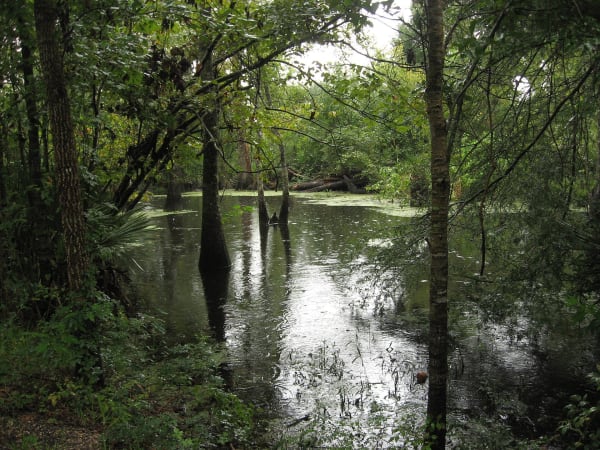
Still water among tall trunks and green undergrowth in a wooded swamp at Barataria Preserve.

Barataria Preserve

Marrero

A Jean Lafitte National Historical Park unit of bayou, swamp and marsh on the site of a Chitimacha and Houma shell-mound landscape, with the visitor center and most trails closed for about two years of repairs.

View details →

Historic Sites

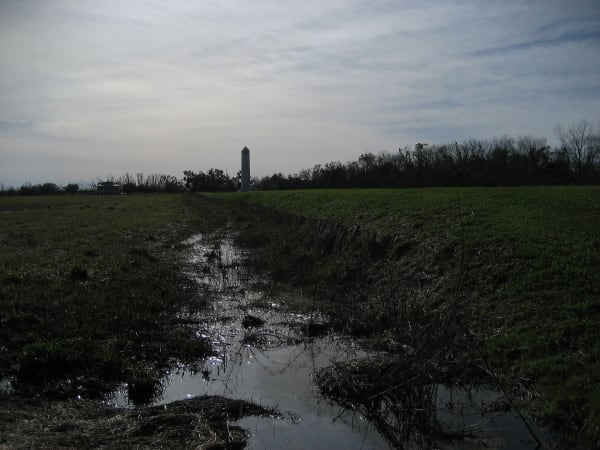
The Rodriguez Canal runs as a water-filled ditch across the flat Chalmette battlefield toward the distant Chalmette Monument under a gray sky.

Chalmette Battlefield

Chalmette

The ground of the January 8, 1815 Battle of New Orleans, beside Chalmette National Cemetery and the site of Fazendeville, a freedpeople's community founded in 1867 and bought out in the 1960s.

View details →
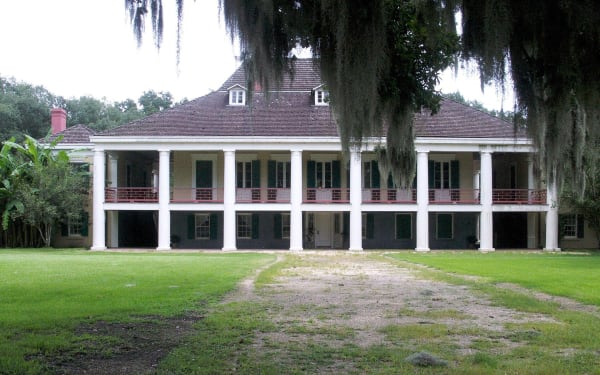
The two-story columned manor house of Destrehan Plantation seen across a lawn, with Spanish moss hanging from an oak in the foreground.

Destrehan Plantation

Destrehan

A River Road house begun in 1787 where, in January 1811, a tribunal of five slaveholders tried people who had risen on the German Coast, and where an exhibit now tells the revolt.

View details →
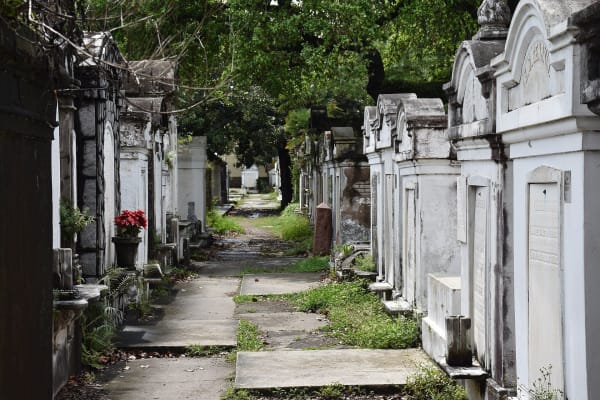
A narrow path runs between rows of white above-ground family tombs under shade trees at Lafayette Cemetery No. 1.

Lafayette Cemetery No. 1

New Orleans

The Garden District's 1833 cemetery of about 1,100 family tombs, closed to visitors in 2019 and reopened on October 1, 2026 for small guided tours run by the Preservation Resource Center.

View details →
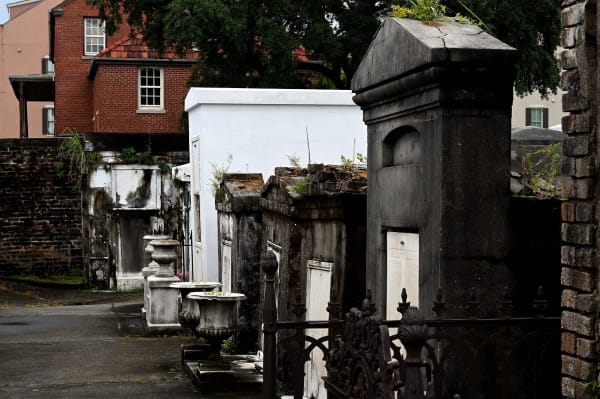
Weathered whitewashed above-ground tombs and iron fences crowd the narrow paths of St. Louis Cemetery No. 1, with a brick building behind.

St. Louis Cemetery No. 1

New Orleans

New Orleans' oldest surviving city of the dead, opened in 1789 after the fire of 1788 and the burial place of Homer Plessy, reachable only on a guided tour since March 2015.

View details →
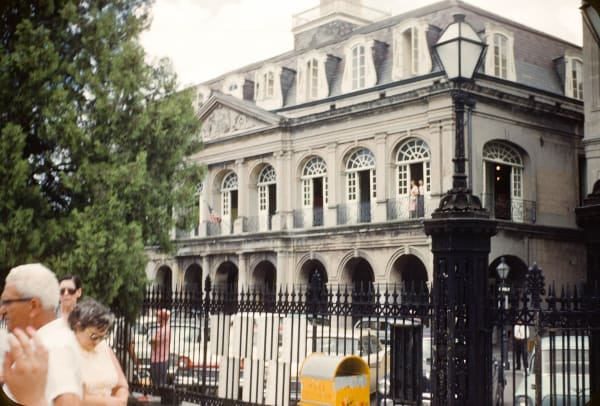
The arcaded front of the Cabildo, with its balcony, tall windows and mansard roof, seen past an iron fence and lamp post in June 1958.

The Cabildo

New Orleans

The Spanish town hall on Jackson Square, finished in 1799, where Louisiana changed flags in 1803 and where the state Supreme Court sat in the same room until 1910, Plessy v. Ferguson among its cases.

View details →
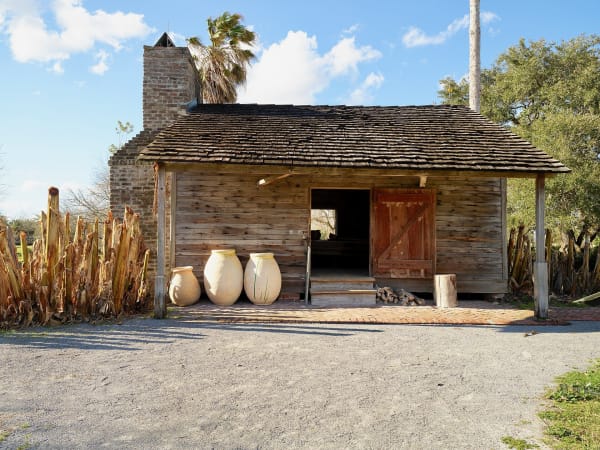
A weathered wooden detached kitchen with a brick chimney and a shingle roof stands beside a gravel path at Whitney Plantation, with large clay jars on its porch.

Whitney Plantation

Wallace

A museum on a former sugar plantation along the River Road that tells its story through the people who were enslaved there, with memorials to 107,000 enslaved Louisianans and 2,200 children.

View details →

Towns & Gateways

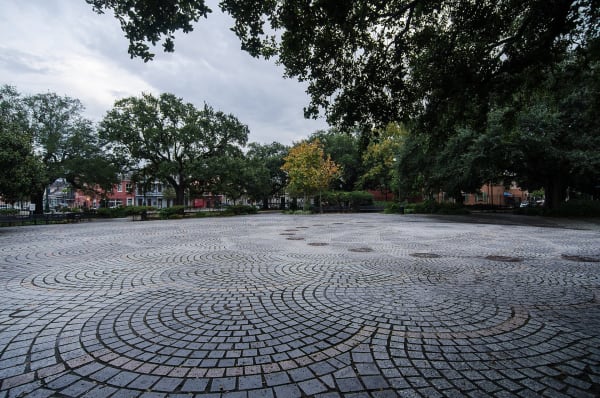
The paved plaza of Congo Square, patterned in concentric arcs of stone, with live oaks and city buildings beyond.

Congo Square

New Orleans

The 2.35-acre corner of Louis Armstrong Park where, from 1817, New Orleans confined Sunday dancing by enslaved people to one place, and where crowds of hundreds gathered to drum, dance and trade.

View details →
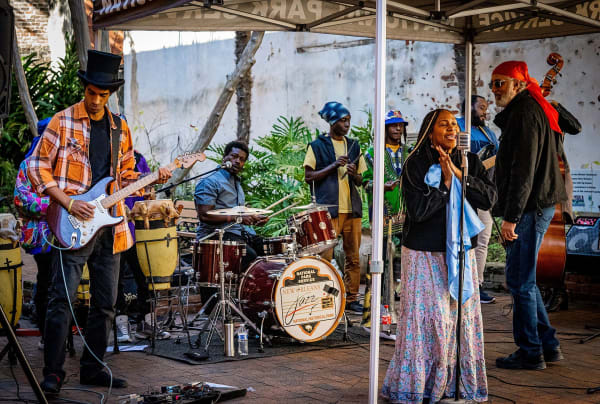
A band with guitar, drums, upright bass and a singer performs under a tent marked New Orleans Jazz National Historical Park.

New Orleans Jazz National Historical Park

New Orleans

A National Park Service unit created in 1994 to tell where jazz came from, with free programs and a visitor center in the French Quarter and park land inside Louis Armstrong Park.

View details →
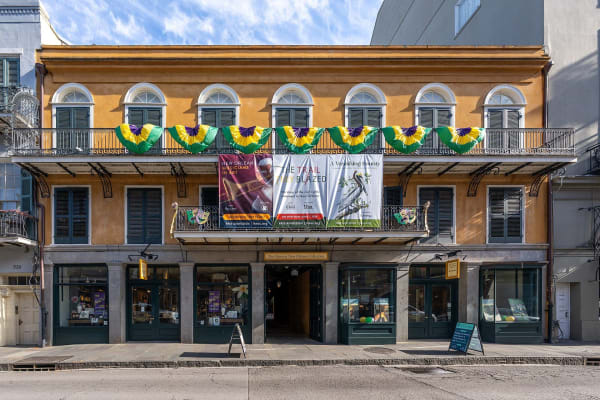
The ochre two-story facade of the Historic New Orleans Collection on Royal Street, with a balcony hung with Mardi Gras bunting.

The Historic New Orleans Collection

New Orleans

A French Quarter museum and research center founded in 1966, whose 2015 Purchased Lives exhibition took on New Orleans' place as the largest slave market in antebellum America.

View details →

Scenic Drives through New Orleans & the River Parishes

Scenic Byway

The Great River Road in Louisiana: New Orleans to Baton Rouge

About 121 miles of the Louisiana Great River Road, from Congo Square past Destrehan and Whitney to Baton Rouge and the LSU Rural Life Museum.

121 mi · 3.2 hrs

Stories from New Orleans & the River Parishes

History

Marie Couvent's Will

A woman born in Africa and enslaved in Saint-Domingue left her land in the Marigny in 1832 for a free school for Black orphans. It opened eleven years after her death, and the story of who she was is not simple.

3 min read

New Orleans & the River Parishes rewards the unhurried. Pick a base, fan out, and let the country between the headline stops surprise you.

← Explore more of Open Road Guide