 Carol M. Highsmith / Public domain via Wikimedia Commons
The Story
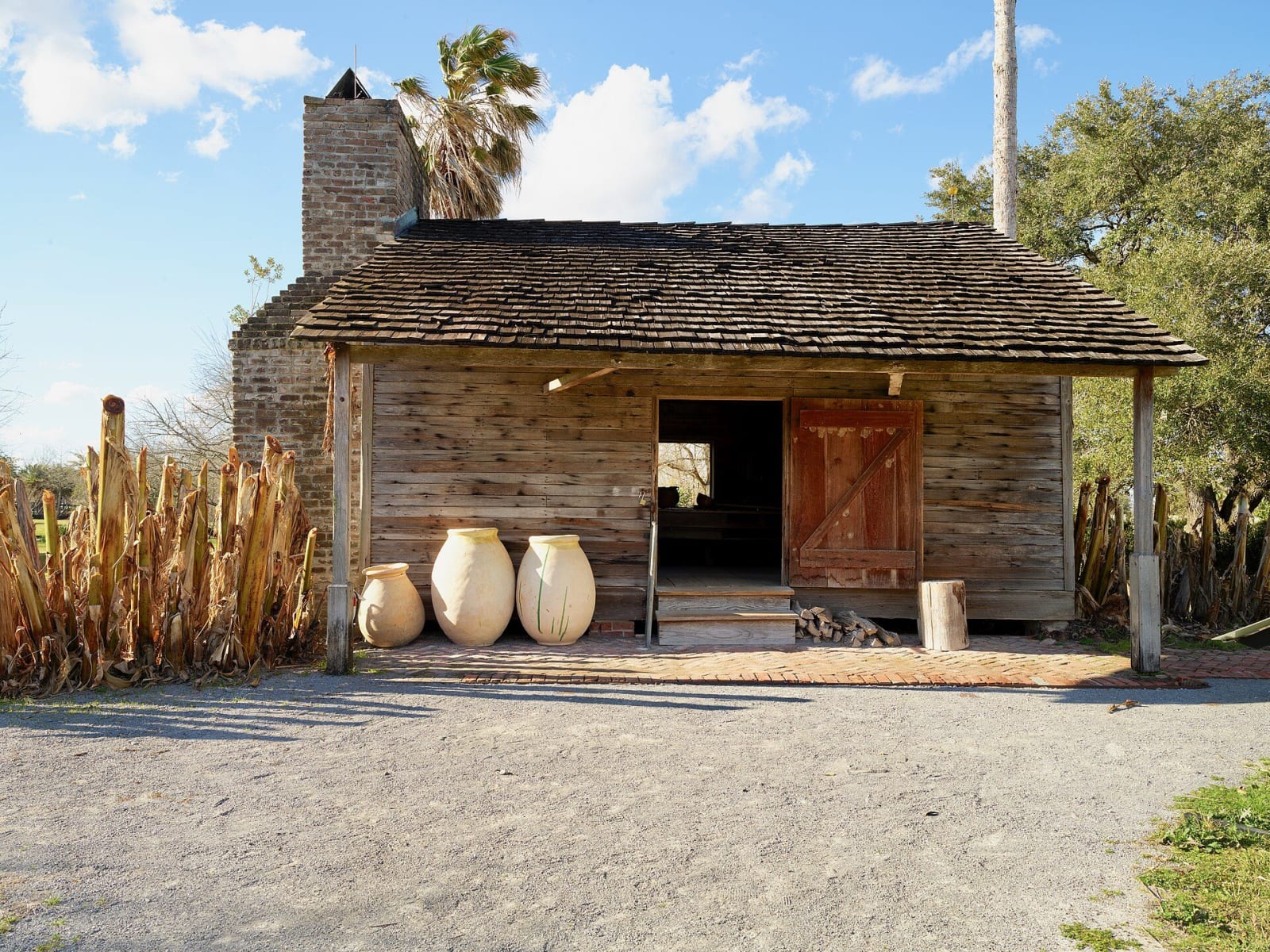
Whitney Plantation on the River Road at Wallace is a museum about slavery. By its own account, an immigrant named Ambroise Heidel started a small indigo plantation here in 1752 with about 20 enslaved Africans, and the Haydel family turned it to sugar around 1800. Marie Azélie Haydel, who owned it from 1840 until she died in 1860, held more than 100 enslaved people, who produced over 400,000 pounds of sugar a year.
The museum names the people. Anna was bought at a New Orleans auction house and worked in the Big House; in 1835 Antoine Haydel, Azélie's brother, sexually assaulted her, and she became pregnant. Her son Victor lived and worked at Whitney for most of his life, and after the Civil War he and his wife Celeste bought nearby land. Granite walls of the Gwendolyn Midlo Hall Allées record the names of 107,000 people enslaved in Louisiana before 1820. The Field of Angels remembers 2,200 enslaved children who died in St. John the Baptist Parish between 1823 and 1863, and a memorial here recalls the 1811 German Coast uprising.
John Cummings bought part of the property in 1999, restored it, and opened it on December 7, 2014, working with the Senegalese historian Ibrahima Seck; he donated it to a nonprofit in 2019. The address is 5099 Louisiana Highway 18, and a phone map may say Edgard. The guided tour includes the upstairs of the Big House, which the audio tour does not. Weddings and private events are not held here.
Visitor Info
On the Map
Nearby
The closest stops worth working into your route
Historical markers nearby
Roadside plaques and monuments within a short detour