 Tom Hilton / CC BY 2.0 via Wikimedia Commons
The Story
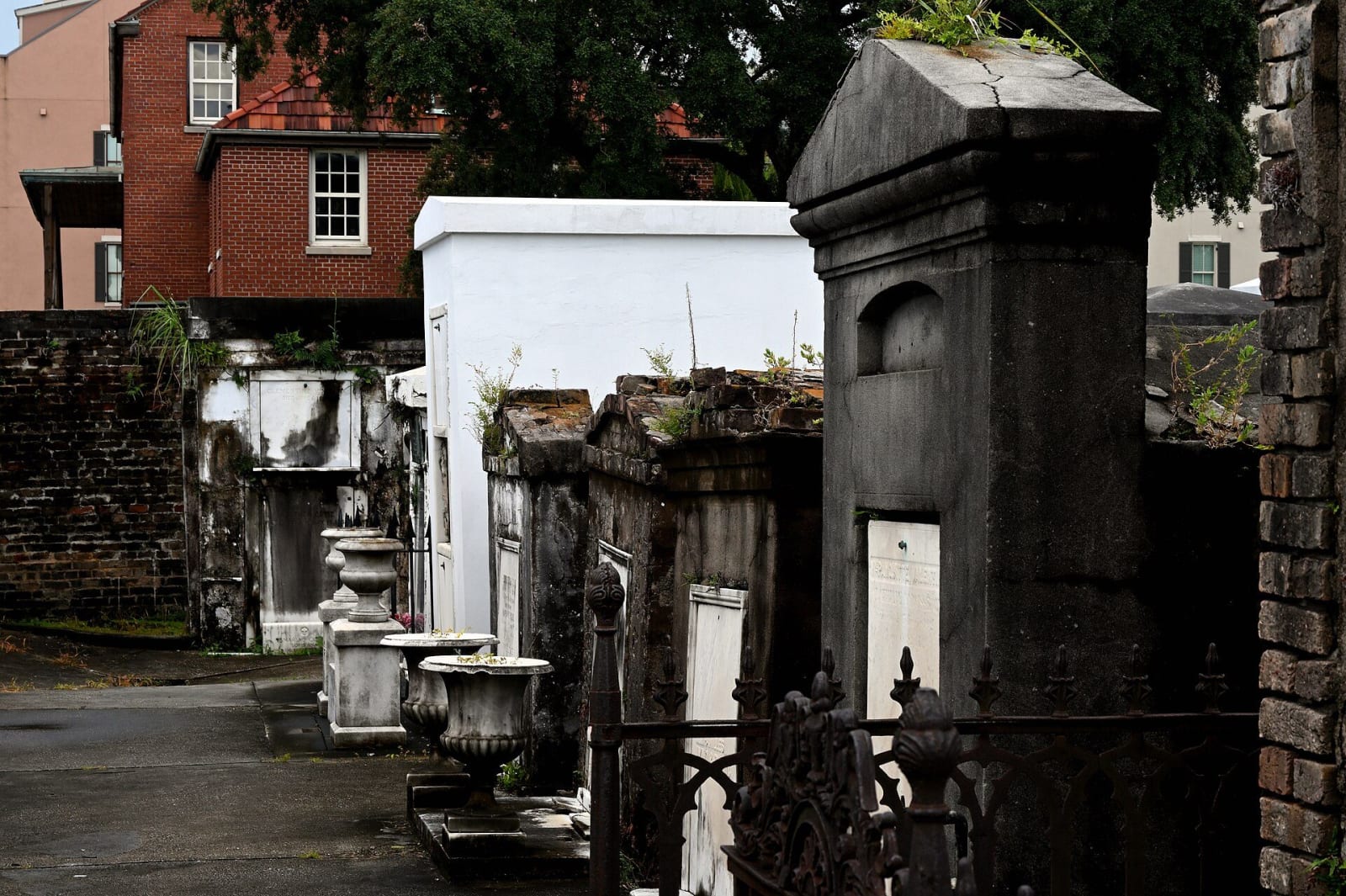
St. Louis Cemetery No. 1 opened in 1789 after a fire in 1788 led New Orleans to replace the older St. Peter Cemetery. It is the oldest of the city's three St. Louis cemeteries and has been in continuous use since. Its above-ground tombs hold people from every part of the city's history. Homer Plessy, the plaintiff in Plessy v. Ferguson, is buried here, as is Alexander Dimitry, a Creole author and educator. Étienne de Boré, the sugar pioneer and first mayor of New Orleans, and Bernard de Marigny are here too, and Marie Laveau is believed to rest in the Glapion family crypt. Ernest "Dutch" Morial, the city's first Black mayor, was buried here in 1989 and moved to St. Louis No. 3 in 2014.
You cannot walk in on your own. The Archdiocese of New Orleans closed the cemetery to the general public on March 1, 2015, and visitors must enter with a licensed guide registered with the archdiocese's cemetery office. Reports at the time tied the rule to vandalism: Laveau's tomb was painted pink, visitors took selfies inside tombs, and someone scattered human remains from one. Families with proof of a burial and historians with proof could still enter.
One official tour is run by guides trained on behalf of New Orleans Catholic Cemeteries. It lasts about 45 minutes, takes at most 20 people, and starts at the Cemetery Tour Desk at 501 Basin Street, across the street. Please do not mark the tombs.
Visitor Info
On the Map
Nearby
The closest stops worth working into your route
Historical markers nearby
Roadside plaques and monuments within a short detour