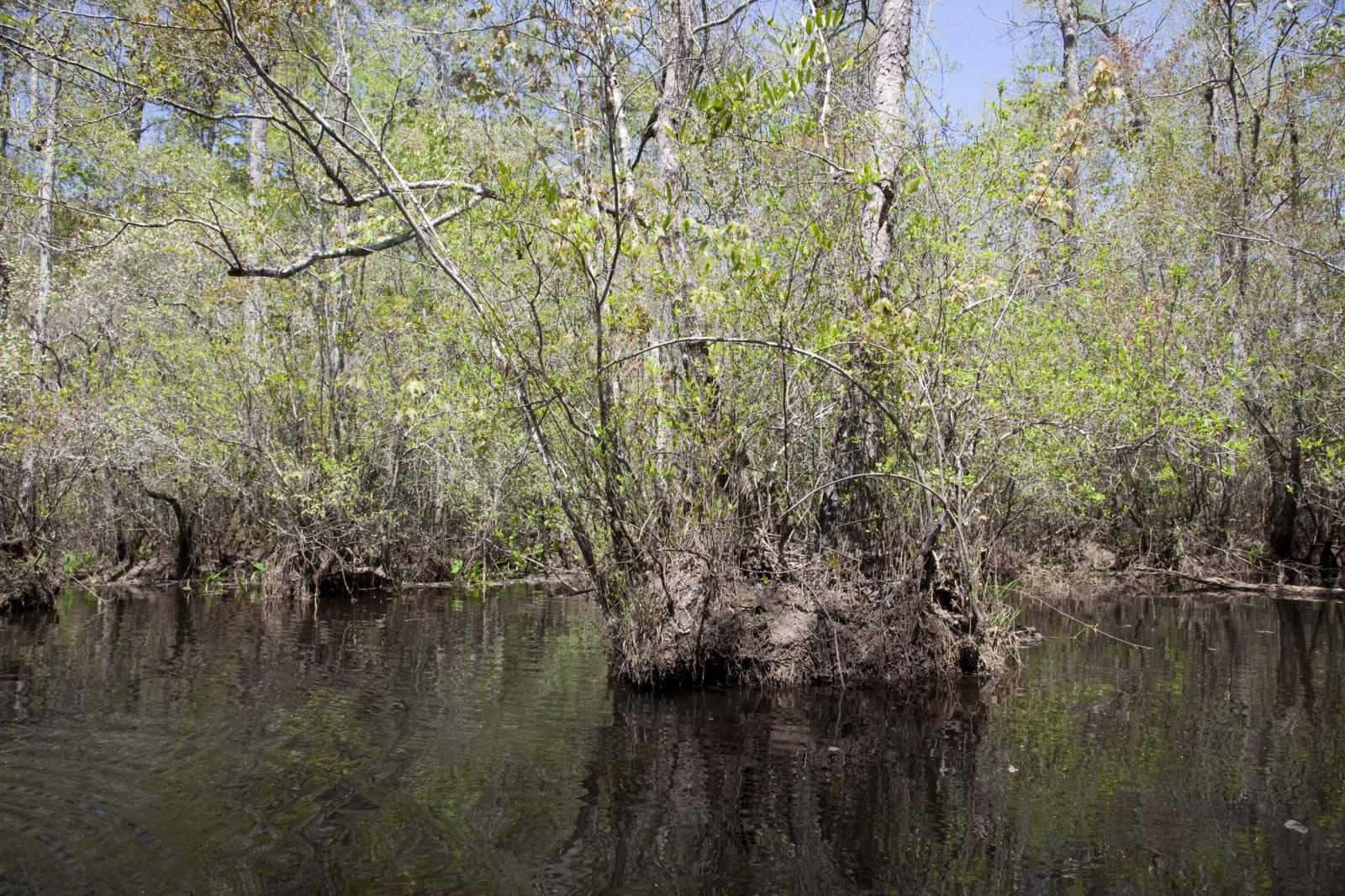
Mobile Bay & the Gulf Coast
Mobile Bay and Alabama's Gulf Coast: Creek and Choctaw history, the Clotilda and Africatown, Civil War forts, the Mobile-Tensaw Delta, dunes and white beaches.
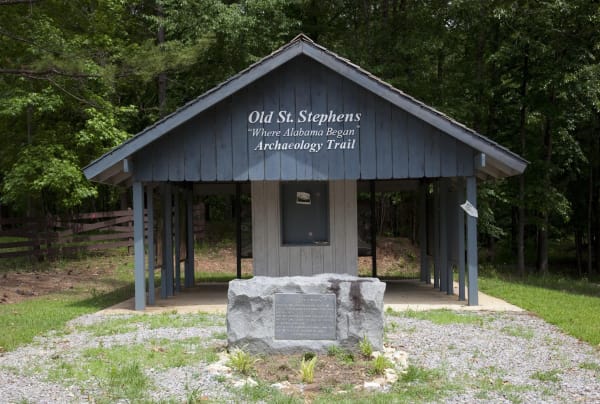
Most of Alabama's rivers drain to this corner. Mississippian towns raised mounds in the Mobile-Tensaw Delta; later the Taensa, Mobilians and Alabamas gave the rivers their names, and the Choctaw and Creek held the country after them. Choctaw hunters traded at St. Stephens, a bluff town on the Tombigbee that was briefly the territorial capital before it emptied back into the pines. At Fort Mims in 1813 a Creek civil war became a war with the United States. The Poarch Band of Creek Indians stayed on its land near Atmore through removal and tells that story in its own museum.
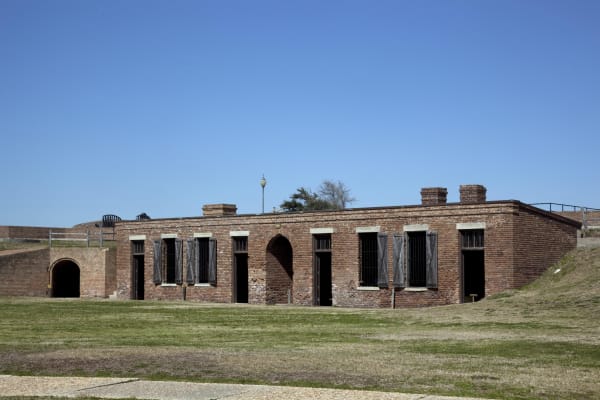
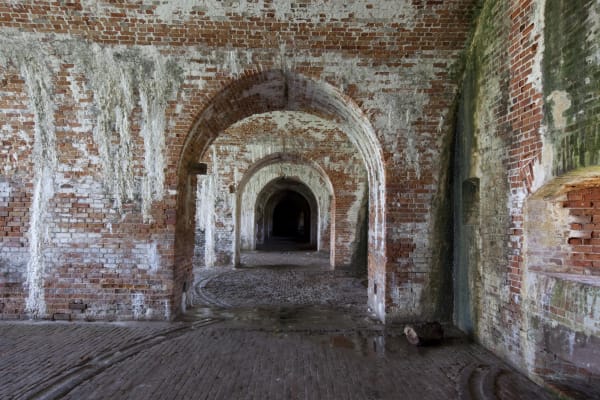
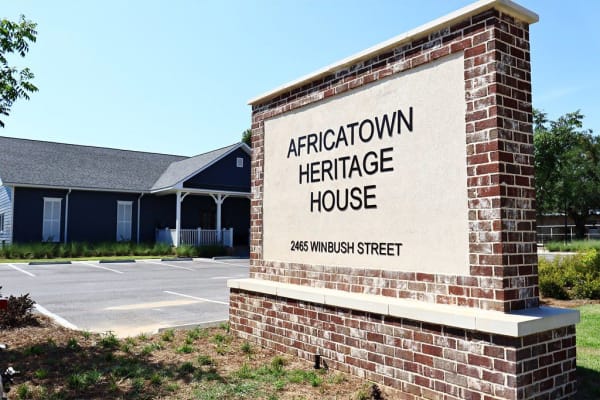
Then came forts and cotton. Enslaved laborers built Fort Morgan, which with Fort Gaines faced Farragut's fleet at the mouth of Mobile Bay in 1864. At Blakeley some 5,000 U.S. Colored Troops stormed the last works guarding Mobile on the day Lee surrendered. In 1860 the Clotilda had landed 110 captive Africans at Mobile, and after freedom they founded Africatown, now home to a museum of their voyage.
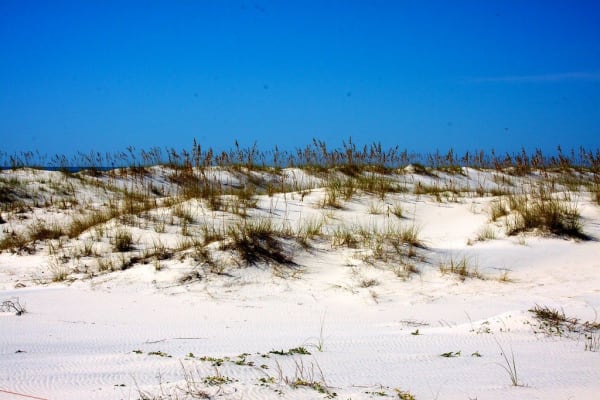
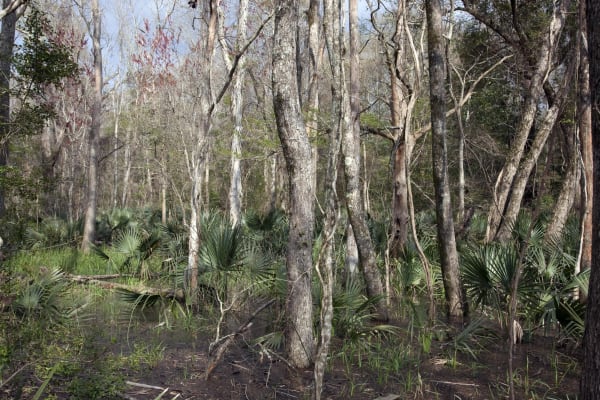
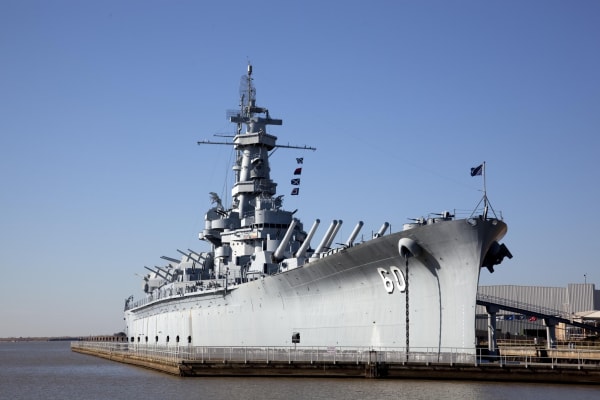
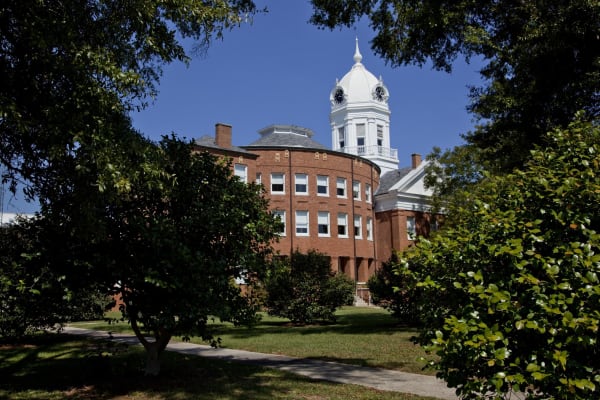
The coast is the other draw. Gulf State Park and Bon Secour refuge hold dunes, nesting turtles and birds resting from the Gulf crossing, the 5 Rivers center opens onto the delta, and the battleship Alabama is berthed on the Causeway, the submarine Drum beside her. Inland, Monroeville keeps the courtroom Harper Lee made famous.
What to See in Mobile Bay & the Gulf Coast
12 places across the region, grouped by what they are.
Natural Areas
Historic Sites
Towns & Gateways
Scenic Drives through Mobile Bay & the Gulf Coast
Mobile Bay & the Gulf Coast rewards the unhurried. Pick a base, fan out, and let the country between the headline stops surprise you.
← Explore more of Open Road Guide