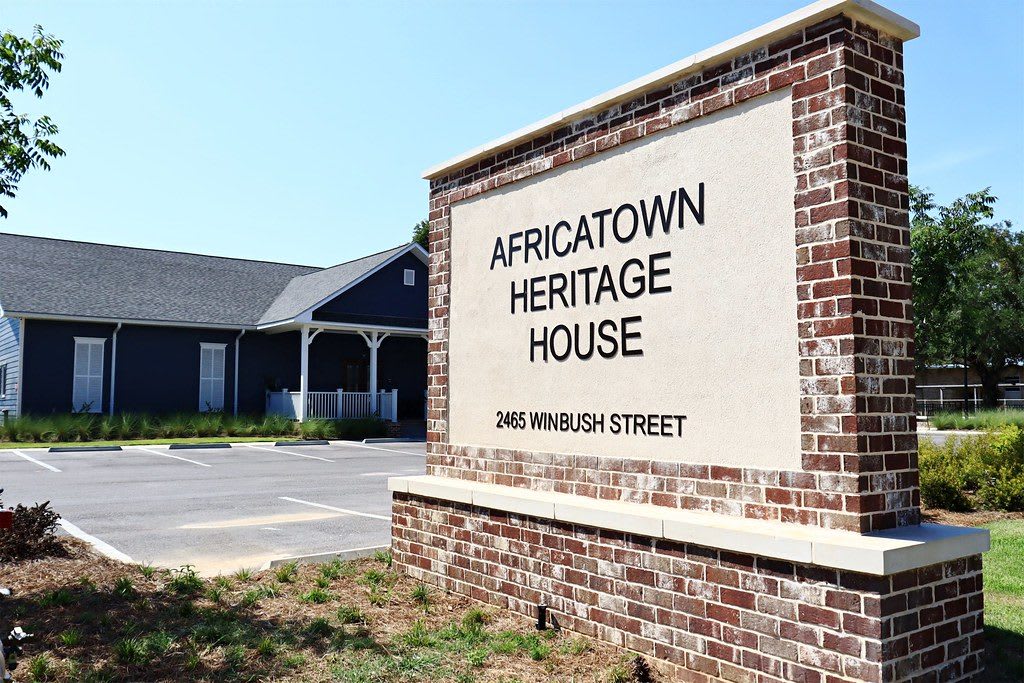
 2C2K Photography / CC BY 2.0 via Flickr
The Story
On July 8, 1860, more than fifty years after the United States outlawed the Atlantic slave trade, the schooner Clotilda slipped into Mobile Bay with 110 young Africans aboard. They had been bought at Ouidah in present-day Benin: Yoruba, Fon, Nupe, Dendi and people from the Atakora mountains, many taken in a raid by the king of Dahomey. Timothy Meaher, who paid for the voyage, and the ship's captain William Foster divided them among themselves and others, and Foster burned the ship to hide the crime.
After emancipation the shipmates could not raise the fare home, so they built a home here. In 1866 they founded African Town on high ground north of Mobile, buying land, choosing Gumpa, a Fon man known as Peter Lee, as their chief, and naming two judges to keep their own laws. They built a school, a church in 1872 and a graveyard in 1876. Kossola, called Cudjo Lewis, told his life to Zora Neale Hurston and lived until 1935, the last of them. Later came paper mills, a peak of 12,000 residents, decline and a bridge approach cut through the neighborhood.
The wreck was confirmed in the Mobile River in 2019, and in July 2023 the History Museum of Mobile opened Clotilda: The Exhibition here. It begins in West Africa, uses African names wherever the record allows, and ends with fragments of the ship. Union Missionary Baptist Church and the Old Plateau Cemetery are a short drive away.
Visitor Info
On the Map
Nearby
The closest stops worth working into your route
Historical markers nearby
Roadside plaques and monuments within a short detour