 Carol M. Highsmith / public domain via Library of Congress
The Story
In the early 1820s Blakeley, on the east bank of the Tensaw River, was bigger than Mobile. Josiah Blakeley of Connecticut laid out the town in 1813, its deep port took ships that could not cross the bar below Mobile, and by 1822 some 4,000 people lived here, with a bank, three hotels and a newspaper. Yellow fever came in 1822, 1826 and 1828, so badly that the dead went into mass graves, and the town never recovered. Its houses were later taken apart and carried across to Mobile.
On the high ground Confederate soldiers and enslaved men forced into the work dug Fort Blakeley, a three-mile arc of trenches and nine redoubts guarding Mobile from the east. Some 16,000 federal troops besieged it in early April 1865, and about 5,000 of them were U.S. Colored Troops, many of them formerly enslaved Southerners, one of the heaviest concentrations of Black soldiers in any battle of the war. At 5:30 on the afternoon of April 9, the day Lee surrendered in Virginia, they charged across land mines and felled trees and took the works in about half an hour. Accusations that some Confederates were shot after surrendering to Black troops are still studied; historians find no large-scale massacre.
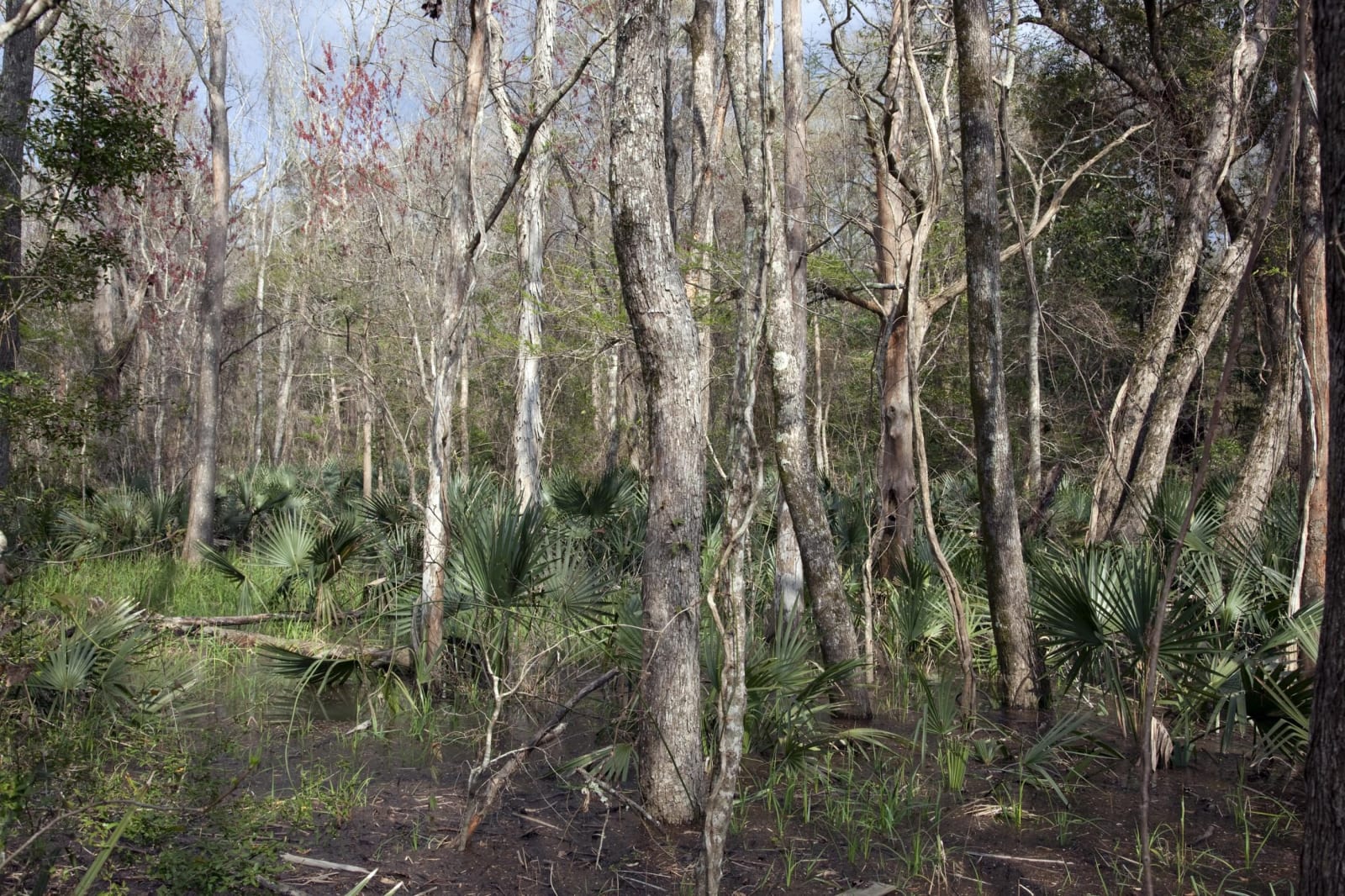
Earthworks still cross the park. More than 20 miles of trails lead to them, to the town's street outlines and cemetery, and to bluffs over the delta, and boat cruises run into the rivers in warmer months.
Visitor Info
On the Map
Nearby
The closest stops worth working into your route
Historical markers nearby
Roadside plaques and monuments within a short detour