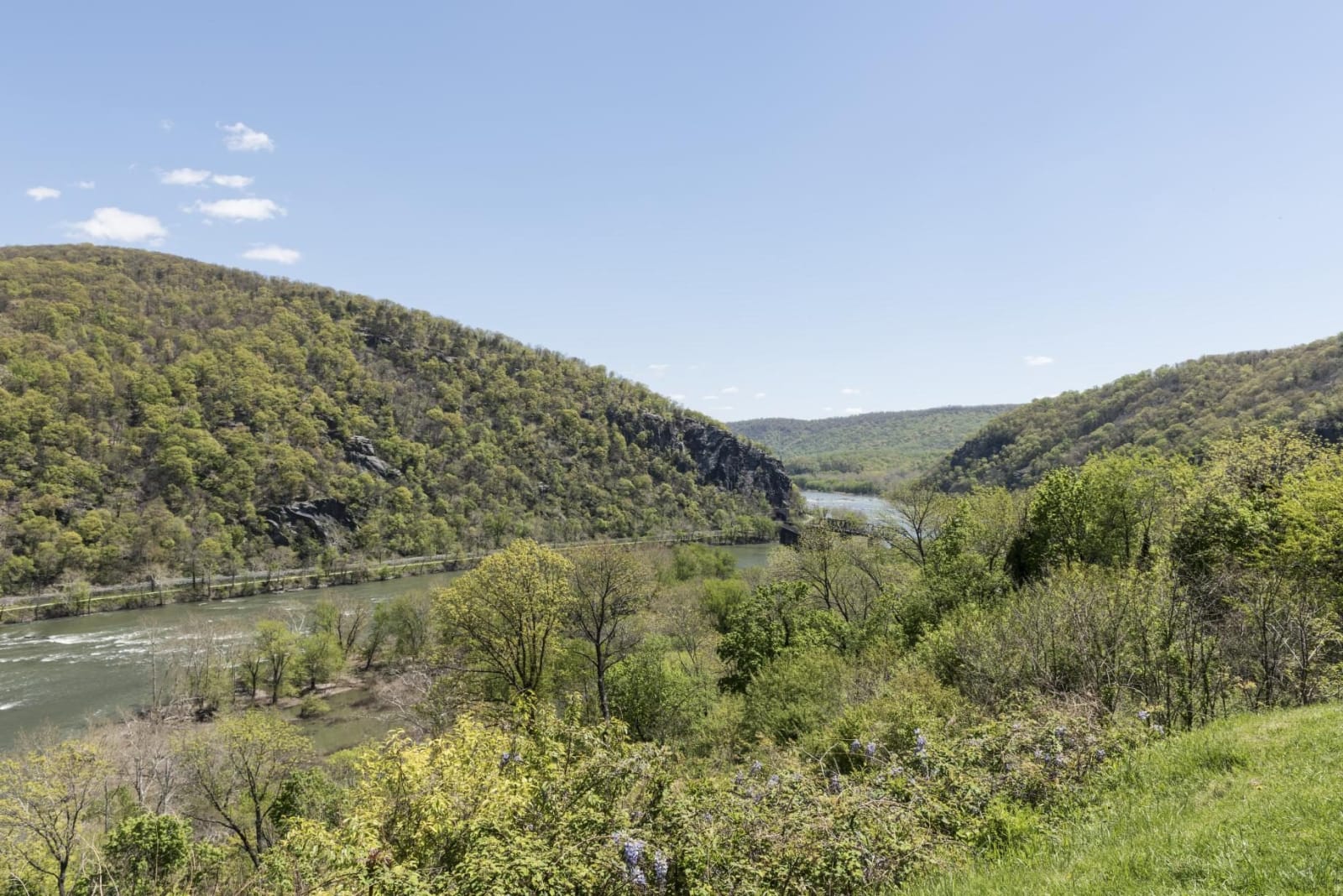
Harpers Ferry & the Eastern Panhandle
John Brown's Fort, Storer College and the Potomac water gap, the Charles Town courthouse, Martinsburg's 1877 roundhouse and the warm springs at Berkeley Springs.
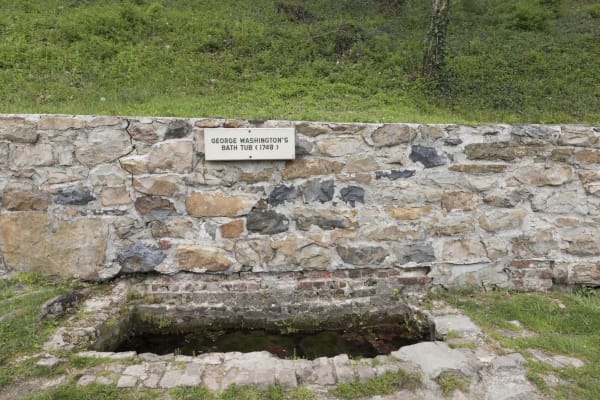
Long before Harpers Ferry had its ferry, the Potomac bank through this gap in the Blue Ridge was a warrior path. Haudenosaunee and Catawba war parties traveled it north and south, Delaware and Shawnee hunters worked the valley around it, and Tuscarora families came north along it after 1710, past Pack Horse Ford below Shepherdstown. Native people knew the warm springs at Bath, now Berkeley Springs State Park, long before any colonist bathed in them.
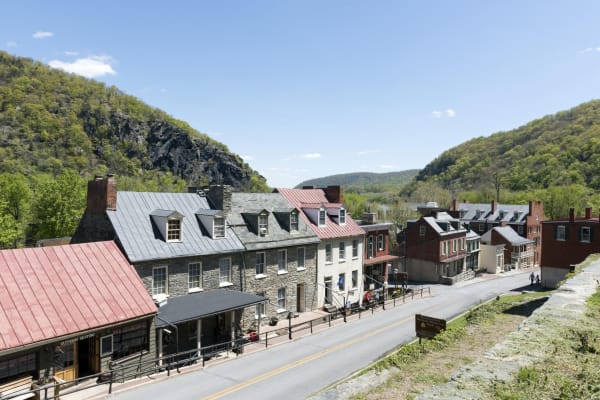
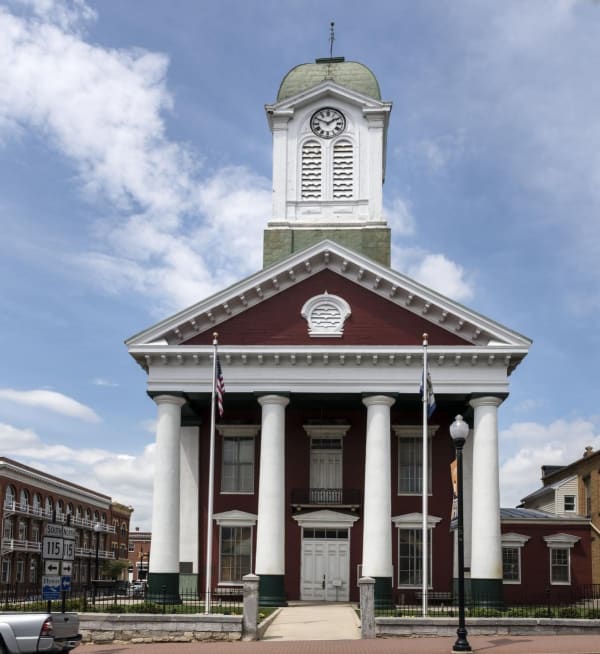
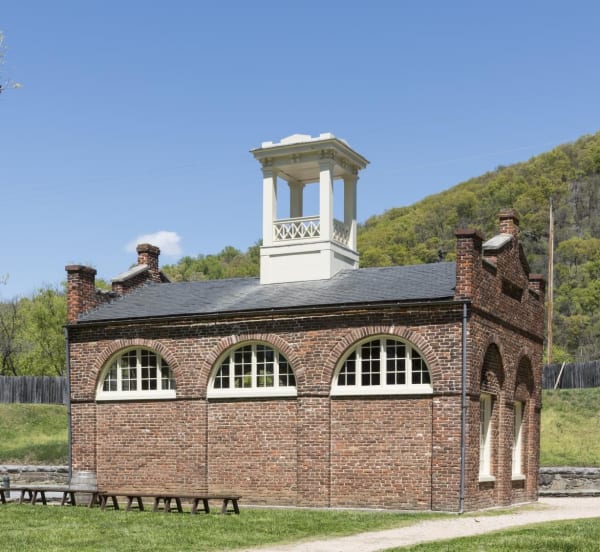
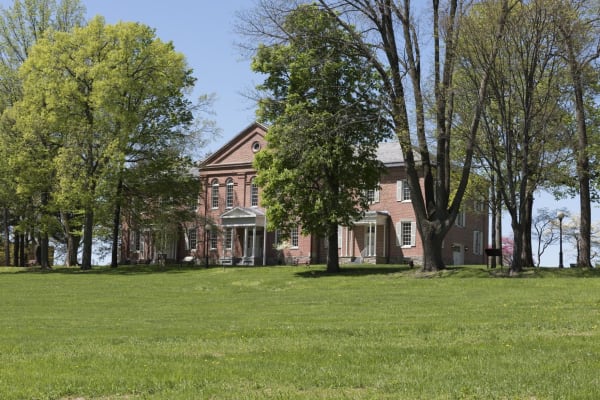
Then came the armory, and with it John Brown. The engine house where his raiders, five of them Black men, made their stand in 1859 still stands in Lower Town, and the courthouse in Charles Town where he was condemned later tried the Blair Mountain miners for treason. Above the Shenandoah, the Murphy-Chambers Farm holds the 1862 battlefield where freed people were seized and driven south, and Storer College on Camp Hill taught the formerly enslaved and hosted the Niagara Movement in 1906.
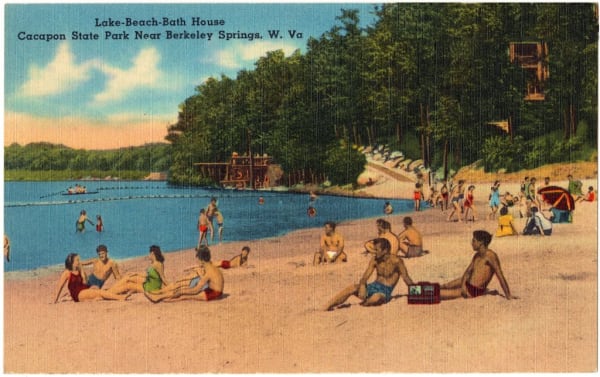
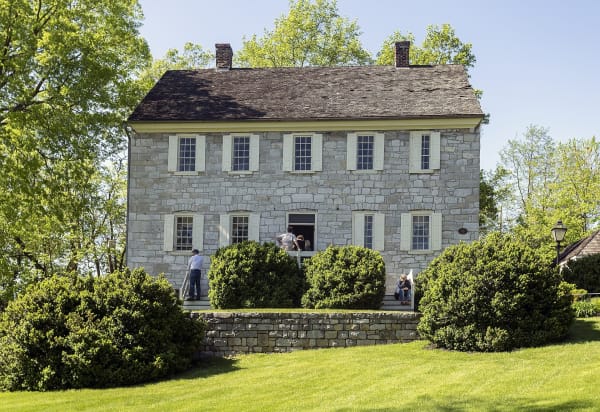
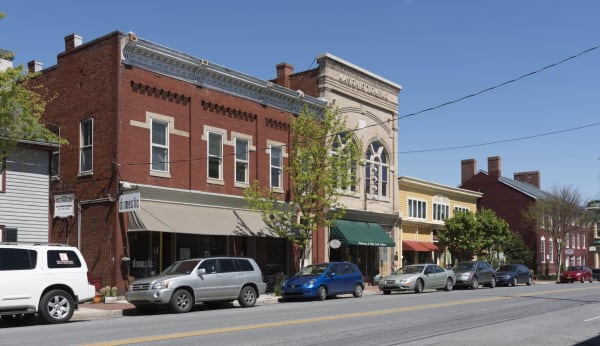
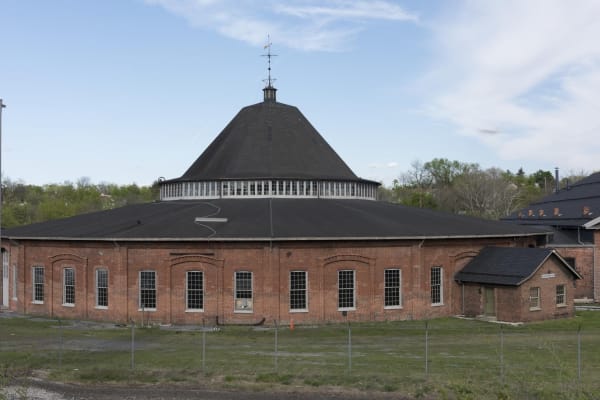
In Berkeley County, Martinsburg's B&O Roundhouse marks where the Great Railroad Strike of 1877 began, a few blocks from the limestone house of the town's founder, Adam Stephen. Shepherdstown keeps its 1762 charter and James Rumsey's steamboat along German Street, and in Morgan County the Civilian Conservation Corps inn and lake at Cacapon Resort State Park sit under a long ridge south of the springs.
What to See in Harpers Ferry & the Eastern Panhandle
10 places across the region, grouped by what they are.
Natural Areas
Historic Sites
Industry & Mining
Harpers Ferry & the Eastern Panhandle rewards the unhurried. Pick a base, fan out, and let the country between the headline stops surprise you.
← Explore more of Open Road Guide