 Carol M. Highsmith / public domain via Library of Congress
The Story
The Potomac crossing a mile east of town, Pack Horse Ford, was a road long before it had that name. The warrior path ran through it, the north-south route Haudenosaunee war parties took south against the Catawba and Catawba parties took north, and Delaware and Shawnee men hunted the valley around it. Between 1710 and 1719 Tuscarora people came this way, moving north to Pennsylvania after their defeat in the Carolinas, and by tradition Seneca and Delaware parties fought at the ford. At Lancaster in 1744 the Six Nations gave up their right to travel through the Shenandoah Valley.
German families were settling here early, possibly by 1717, and Thomas Shepherd had a gristmill running by 1739. Chartered on December 23, 1762, the town shares the title of oldest in West Virginia with Romney. Riflemen left from here in 1775 on the Bee Line March to join Washington at Boston, and on December 3, 1787, James Rumsey ran his jet-propelled steamboat up the Potomac at about four knots, twenty years before Robert Fulton's boat.
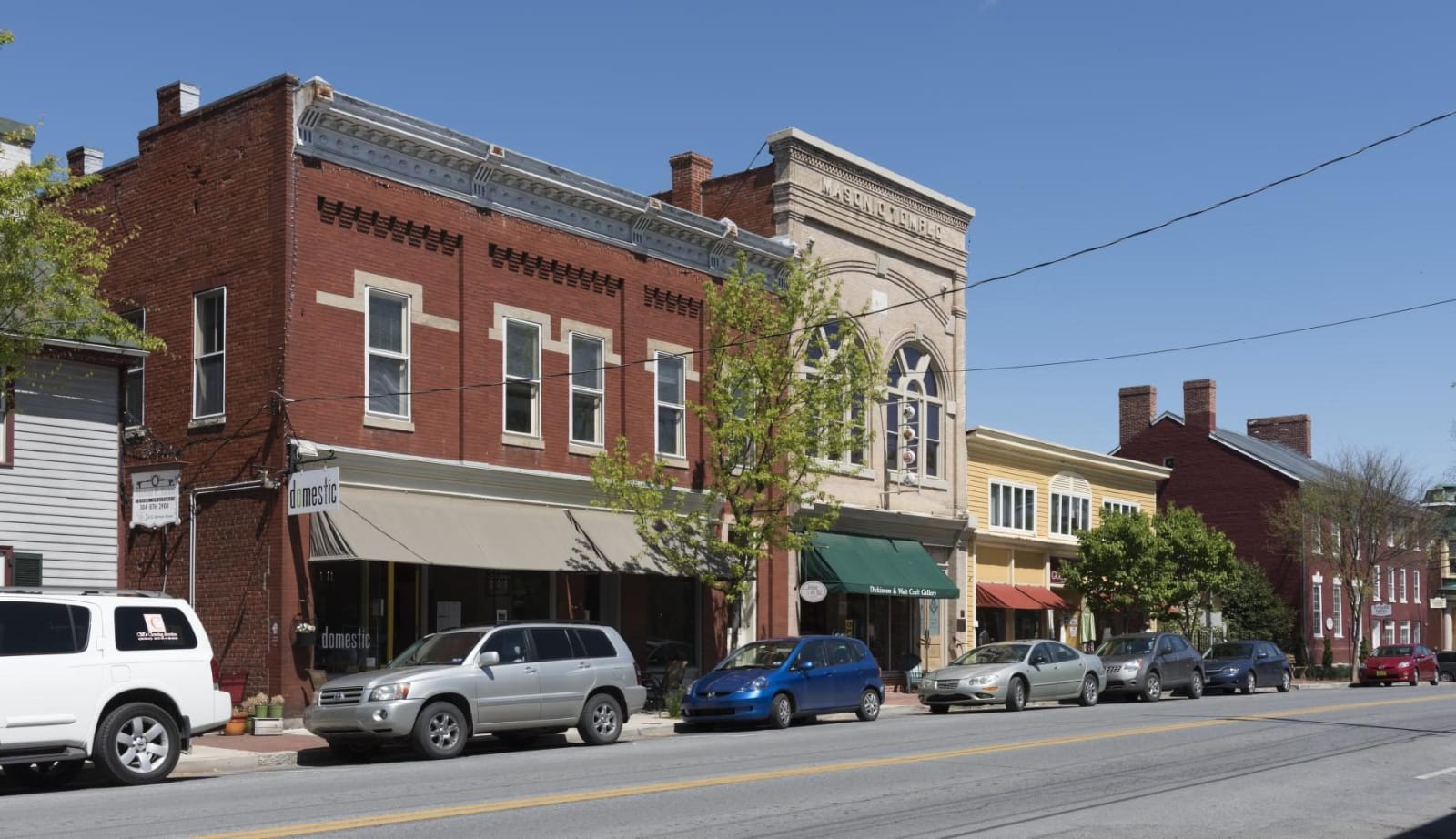
After Antietam, fought across the river in Maryland, the Battle of Shepherdstown ended Lee's 1862 campaign north, and soldiers from both fights lie in Elmwood Cemetery. The town leaned more toward the Union than Charles Town did and was the county seat from 1865 to 1871, the year Shepherd College opened. German Street is its spine, and the Fish and Wildlife Service has trained its people at a center just outside town since 1997.
Visitor Info
On the Map
Nearby
The closest stops worth working into your route
Historical markers nearby
Roadside plaques and monuments within a short detour