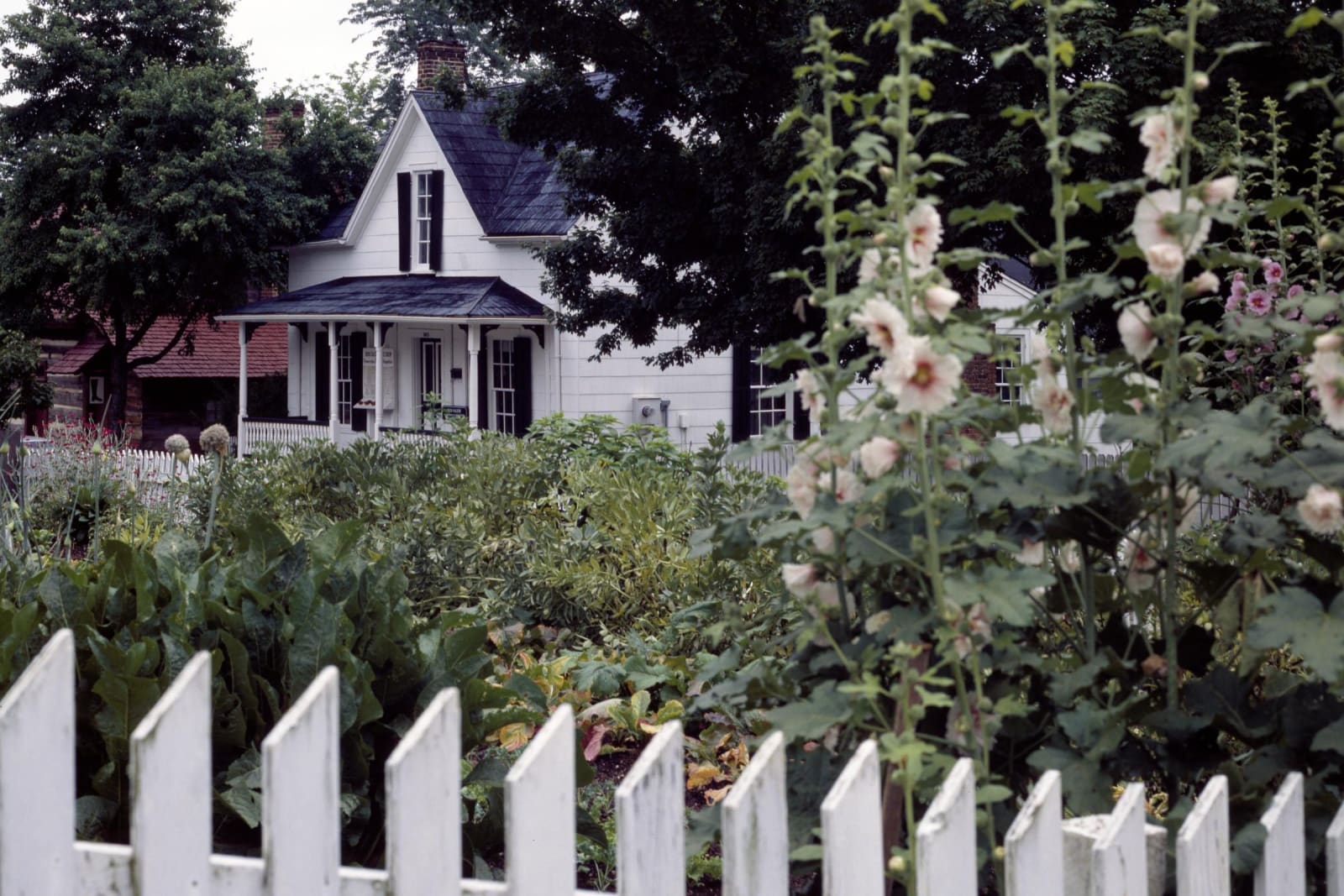
Greensboro, Winston-Salem & the Triad
Hanging Rock and the Sara, Old Salem and the enslaved, Alamance and Guilford, the Greensboro sit-ins, Local 22, Coltrane's High Point and Lexington barbecue.
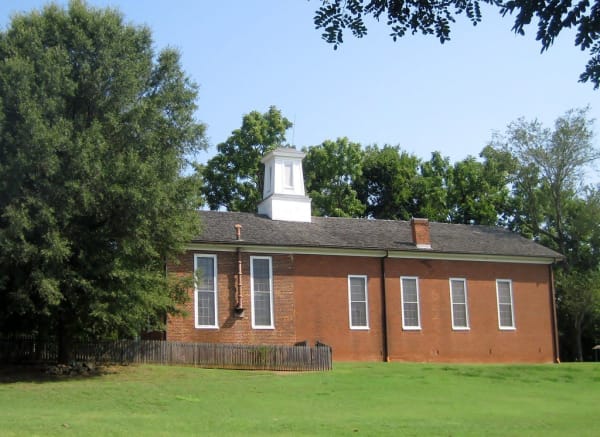
The Sauratown Mountains north of Winston-Salem keep the name of the Sara, who lived in towns along the Dan River until raids early in the 1700s pushed them toward the Pee Dee and, in time, into the Catawba Nation. Hanging Rock's quartzite knobs are the place to stand in their country. Moravians bought Wachovia in 1752, and Old Salem now tells its church town with the people the Moravians enslaved and the brick church where freedom was read in 1865.
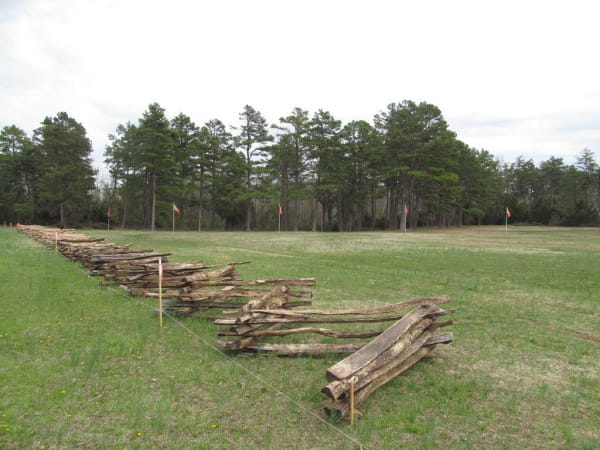
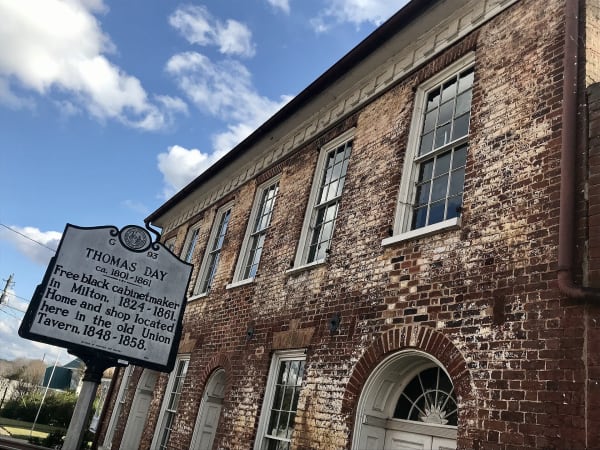
The Piedmont's quarrels run through here. Regulator farmers faced Governor Tryon's grapeshot at Alamance in 1771, and ten years later Greene's army bled Cornwallis at Guilford Courthouse. In Milton, Thomas Day, a free Black cabinetmaker who also held enslaved workers in his shop, ran the state's largest furniture works from the Union Tavern. At Sedalia, Charlotte Hawkins Brown built a Black preparatory school that ran for nearly seventy years.
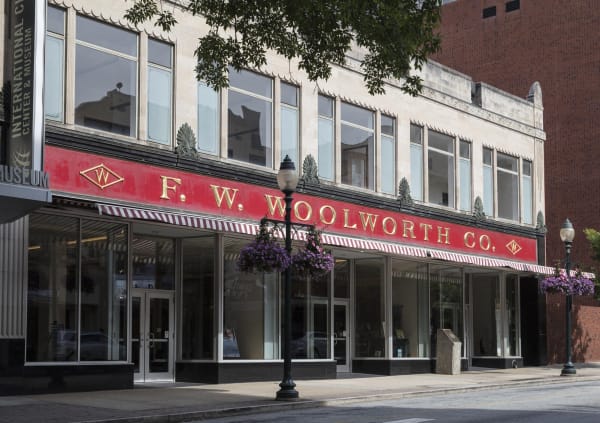
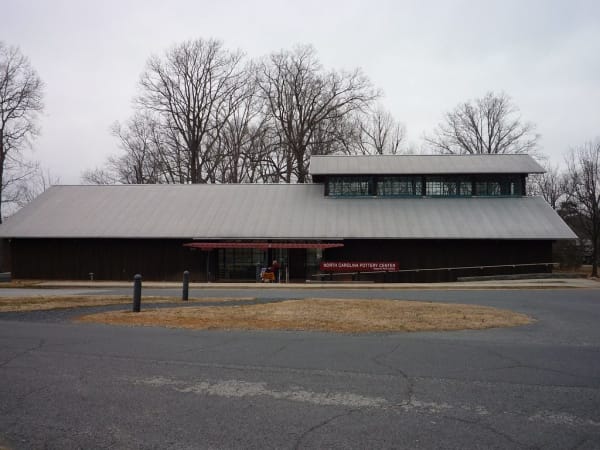
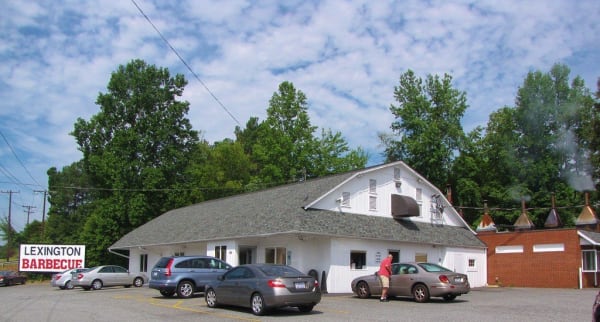
The twentieth century came through tobacco and lunch counters. Black women stemmers at R. J. Reynolds sat down in 1943 and built Local 22, and four A&T freshmen sat down at the Greensboro Woolworth in 1960. John Coltrane grew up on Underhill Street in High Point, Lexington still cooks pork shoulder over hardwood coals, and Seagrove's potters keep the kilns going along NC 705.
What to See in Greensboro, Winston-Salem & the Triad
11 places across the region, grouped by what they are.
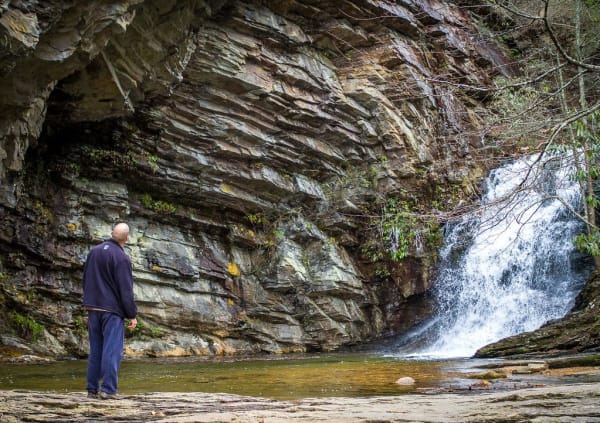
Natural Areas
Historic Sites
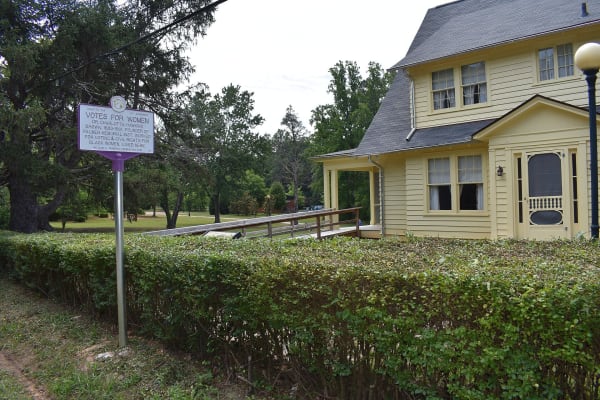
Towns & Gateways
Industry & Mining
Food & Drink
Greensboro, Winston-Salem & the Triad rewards the unhurried. Pick a base, fan out, and let the country between the headline stops surprise you.
← Explore more of Open Road Guide