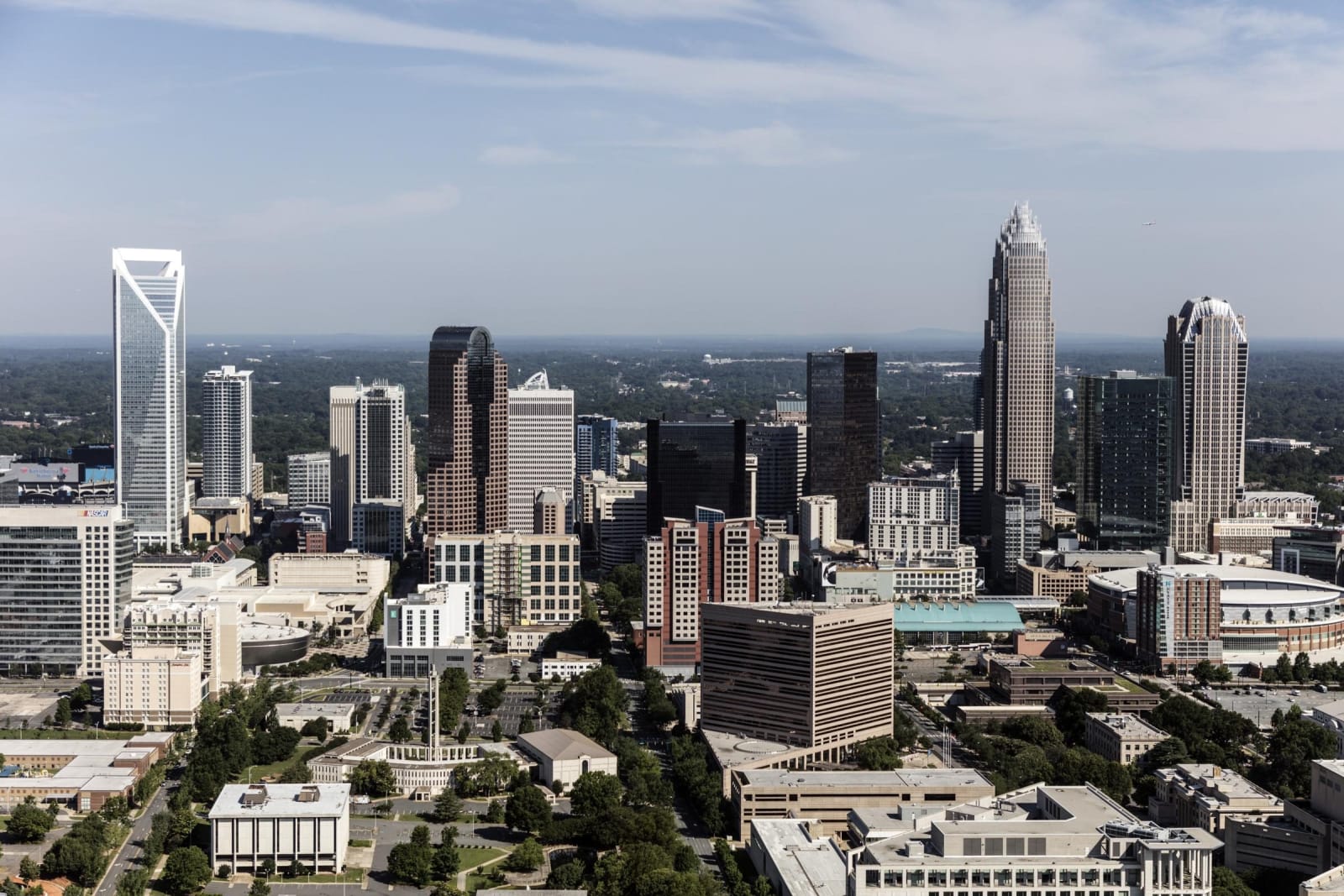
Charlotte & the Southern Piedmont
The Catawba and the Schiele Museum, Reed's gold, Loray Mill and Ella May Wiggins, Salisbury's prisoners, Brooklyn and the Gantt Center, and Earl Scruggs in Shelby.
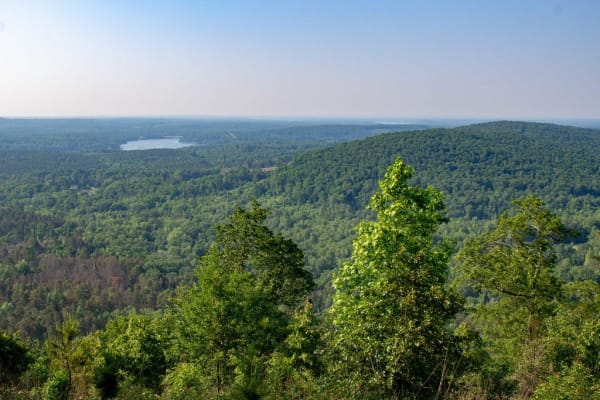
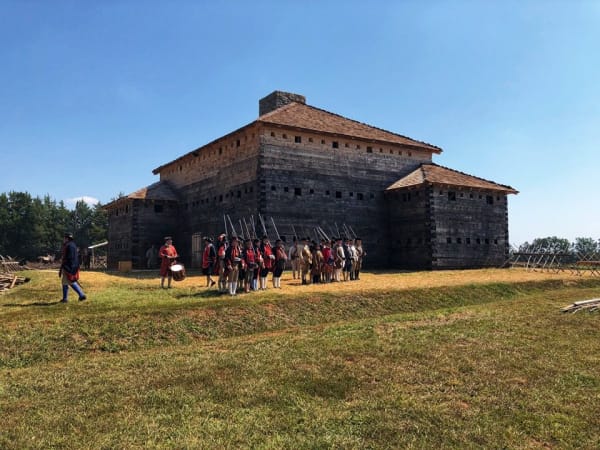
The Catawba, yeh is-WAH h'reh, the people of the river, gave this country its river's name, and the Nation's federal service area still takes in five of its counties; the Schiele Museum in Gastonia keeps one of the largest collections of their pottery and an outdoor village. Cherokee warriors fought the colonists at Fort Dobbs in 1760, and for thousands of years before that, people quarried tool stone on the summit of Morrow Mountain above the Yadkin.
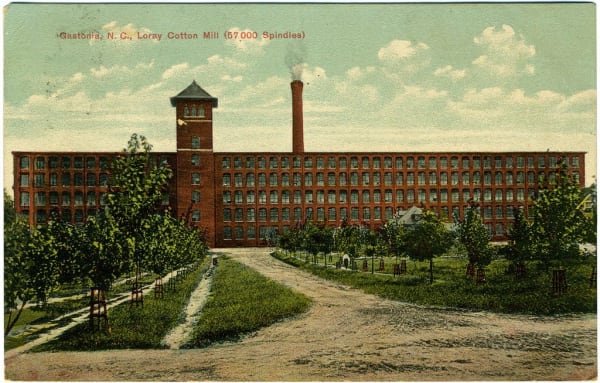
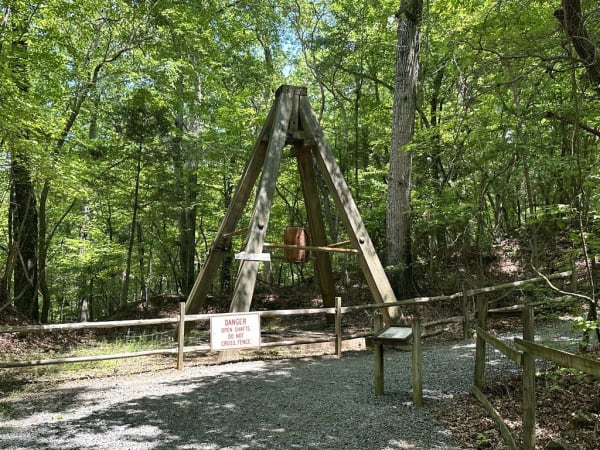
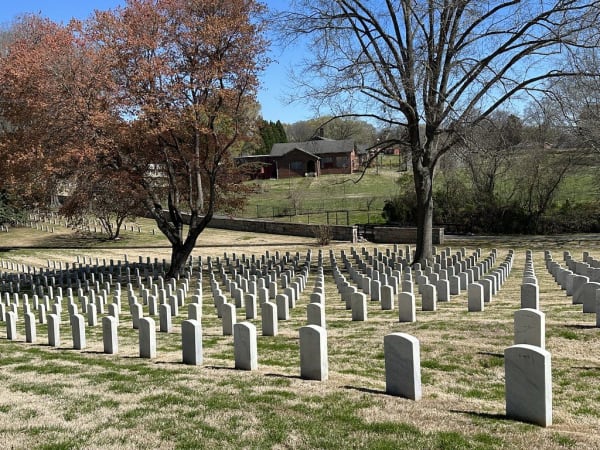
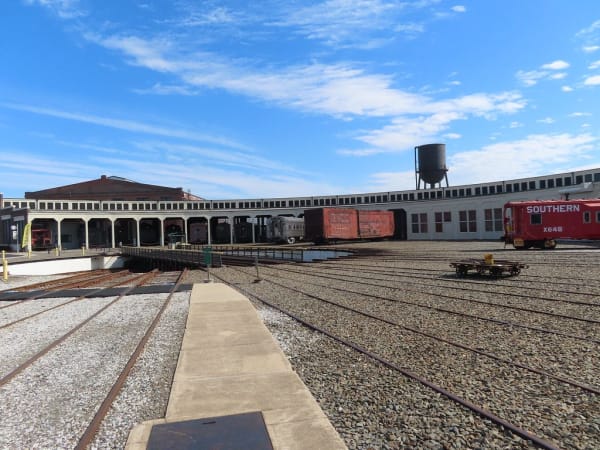
Gold started the Piedmont's American story. Conrad Reed found a 17-pound nugget in his father's creek in 1799, and Peter, an enslaved boy, dug out a 28-pound one there four years later. Rails and textiles followed: up to 3,000 people worked at Southern's Spencer Shops, and at Gastonia's Loray Mill the 1929 strike ended with the balladeer Ella May Wiggins shot dead. Salisbury's national cemetery lies over the trench graves of Union prisoners who starved in the Confederate prison there.
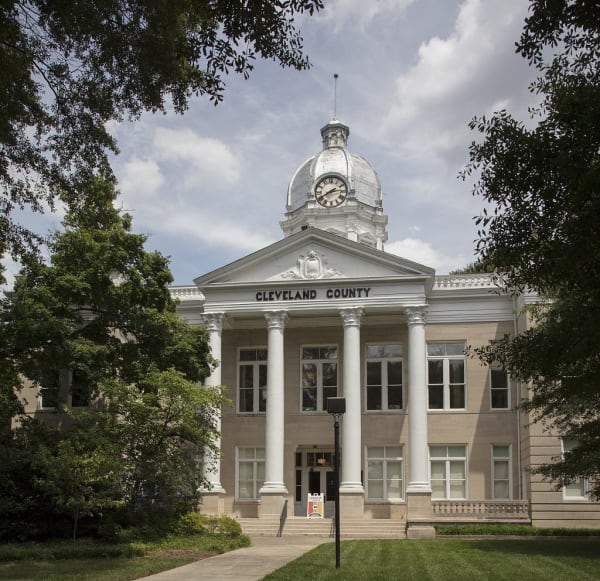
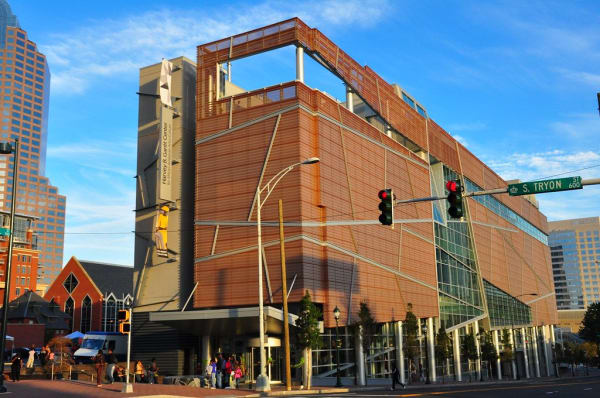
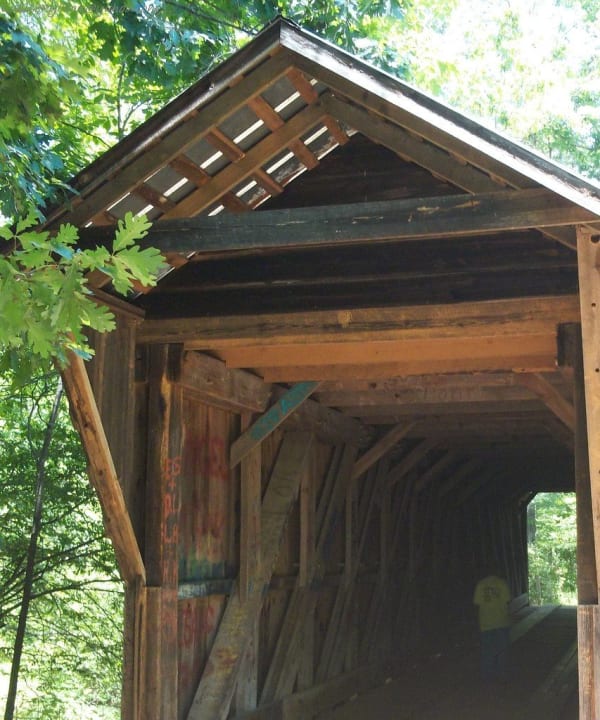
In Charlotte, urban renewal razed Brooklyn, the Black heart of the city, in the 1960s; the Gantt Center stands on its edge. In Monroe a highway marker remembers Robert F. Williams, who armed Black veterans against the Klan and was driven into exile. Earl Scruggs learned the banjo on a Cleveland County farm near Shelby, and west of Statesville the Bunker Hill bridge still carries a road that began as a Native trail across Lyle Creek.
What to See in Charlotte & the Southern Piedmont
11 places across the region, grouped by what they are.
Natural Areas
Historic Sites
Towns & Gateways
Architecture
Industry & Mining
Charlotte & the Southern Piedmont rewards the unhurried. Pick a base, fan out, and let the country between the headline stops surprise you.
← Explore more of Open Road Guide