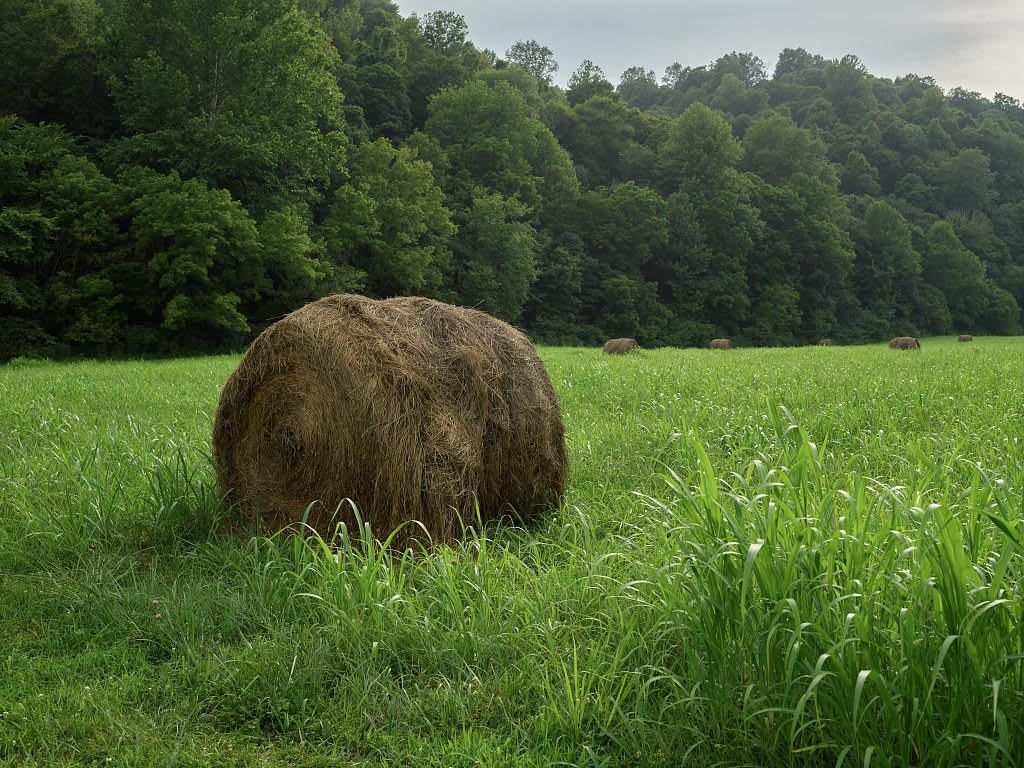
A round hay bale in a tall green field below wooded hills near Knob Creek, outside Hodgenville.
Carol M. Highsmith / public domain via Library of Congress
Kentucky · Region

Bardstown, Bourbon & Lincoln Country

Lincoln's birthplace and Knob Creek, Federal Hill and the proto-cathedral at Bardstown, the Abbey of Gethsemani, Maker's Mark and the Whitley House on the old frontier.

11 places to explore

Before these knobs and limestone valleys were counties, they were Shawnee and Cherokee hunting ground, and settlers came in over the Wilderness Road. Near Crab Orchard, William and Esther Whitley built their brick house of 1787 to 1794 as a fort in the long war over that land, and in 1794 Whitley carried the fight to a Chickamauga Cherokee town in Tennessee.

Slavery built much of what stands here. At Federal Hill in Bardstown the Rowan family enslaved at least 54 people, and the park now names them. At St. Joseph Proto-Cathedral, Robert Rudd and Eliza Frances Smith were enslaved sextons, and their son Daniel founded a national Black Catholic newspaper. Abraham Lincoln was born in 1809 on the Sinking Spring farm near Hodgenville and kept his first memories of Knob Creek, where historians believe he first saw enslaved people driven south along the road.

Trappist monks from France settled at Gethsemani in 1848, and Thomas Merton wrote there for 27 years. Charles Burks's 1805 mill on Hardin Creek became Maker's Mark, the last working distillery farm of its kind. The Patton Museum at Fort Knox, the excursion trains at New Haven and the Corps lakes at Rough River and Green River round out the drive; below the Green River dam, Michigan infantry turned back John Hunt Morgan at Tebbs Bend on July 4, 1863.

What to See in Bardstown, Bourbon & Lincoln Country

11 places across the region, grouped by what they are.

Hikes & Trails
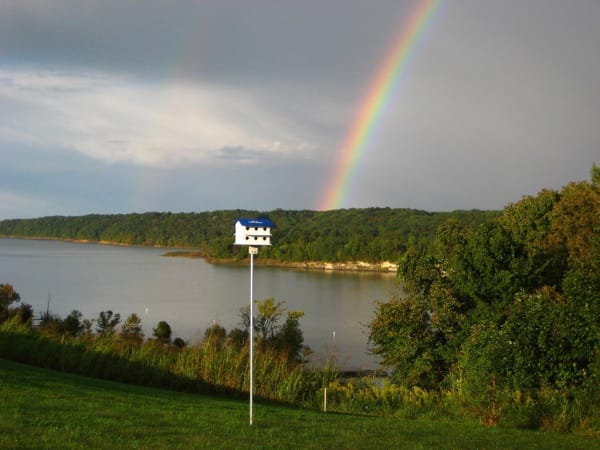
A rainbow arcs over Green River Lake and its wooded far shore, with a purple martin house on the lawn in the foreground.

Green River Lake State Park

Campbellsville

The state park on the Corps of Engineers lake south of Campbellsville, with 28 miles of trails, winter eagles and the Tebbs Bend battlefield of 1863 just below the dam.

View details →
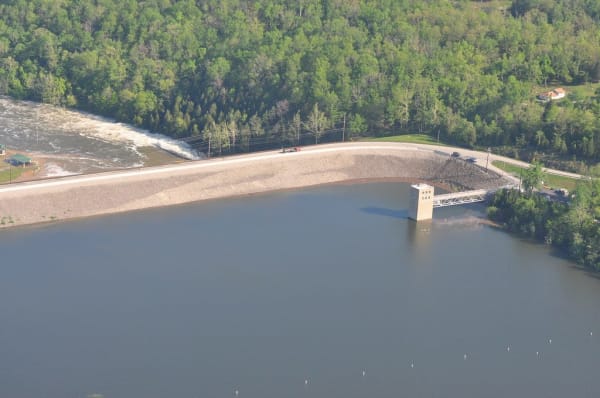
Aerial view of the earthen Rough River Dam, its intake tower and the lake against wooded hills.

Rough River Dam State Resort Park

Falls of Rough

The resort park at the Corps of Engineers dam on the Rough River, with a lakeside lodge, a fly-in campground and a 39-mile lake reaching into three counties.

View details →

Historic Sites

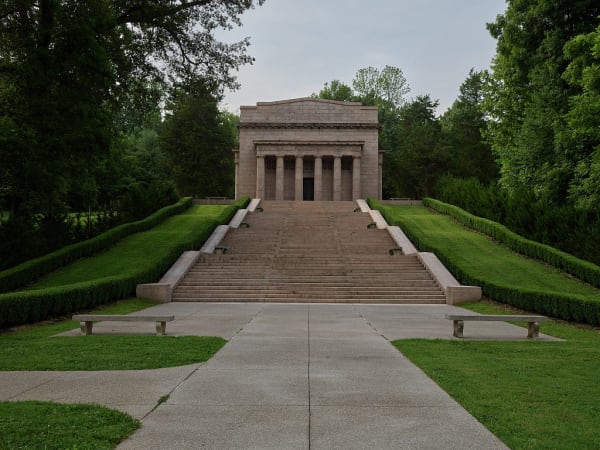
The granite Memorial Building at the head of its long flight of steps, framed by lawns and woods at the Lincoln birthplace.

Abraham Lincoln Birthplace National Historical Park

Hodgenville

The Sinking Spring farm south of Hodgenville where Abraham Lincoln was born in 1809, and the 1911 granite memorial built around a symbolic log cabin.

View details →
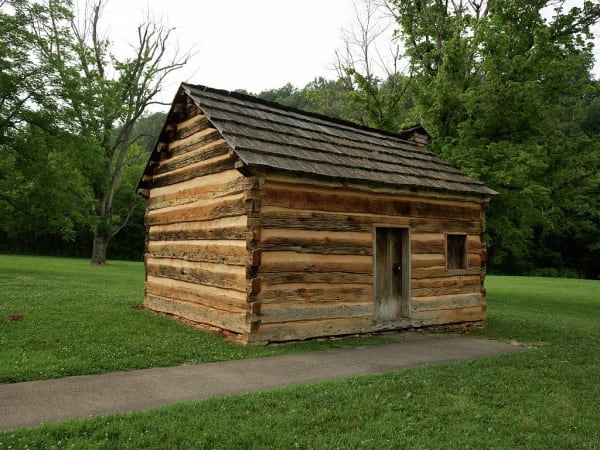
A small log cabin with a shake roof on a mown field at the edge of the woods at Knob Creek.

Abraham Lincoln Boyhood Home at Knob Creek

Hodgenville

The Knob Creek farm on the old Louisville-Nashville road where Lincoln lived from two to almost eight, and where he formed his earliest memories.

View details →
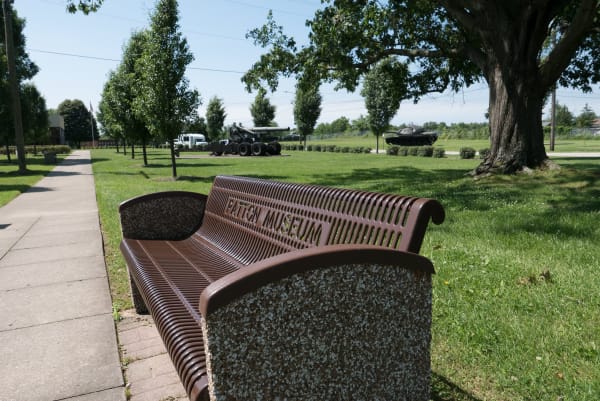
A bench lettered Patton Museum on the museum lawn at Fort Knox, with an artillery piece and a tank on display beyond the trees.

General George Patton Museum of Leadership

Fort Knox

The Army's museum at Fort Knox, begun with the enemy vehicles Patton's Third Army shipped home in World War II, holding the largest collection of his personal belongings.

View details →
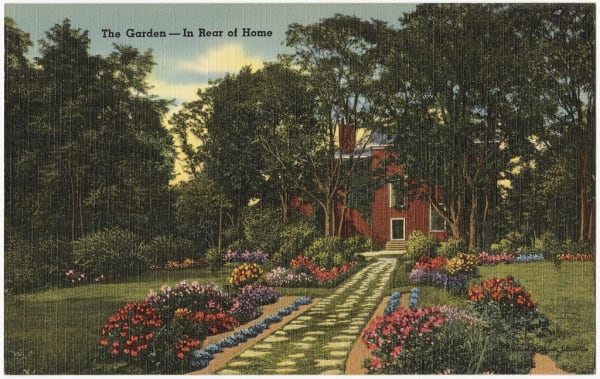
A mid-century linen postcard of the flower garden and stone path behind the brick Federal Hill mansion.

My Old Kentucky Home State Park (Federal Hill)

Bardstown

Federal Hill, the Rowan family's 1818 mansion at Bardstown, told with the at least 54 people the Rowans enslaved and the history of Stephen Foster's song.

View details →
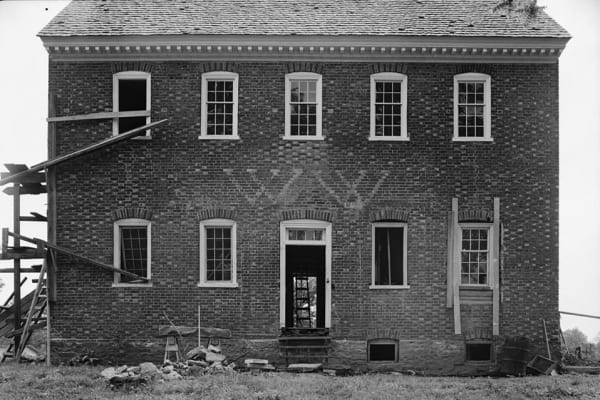
A black-and-white survey photograph of the brick Whitley house front, with the builder's initials W W laid in lighter brick between the floors and scaffolding at one end.

William Whitley House State Historic Site

Stanford

Sportsman's Hill near Crab Orchard, the brick fortress-house William and Esther Whitley built on the Wilderness Road between 1787 and 1794, told from both sides of the frontier war.

View details →

Towns & Gateways

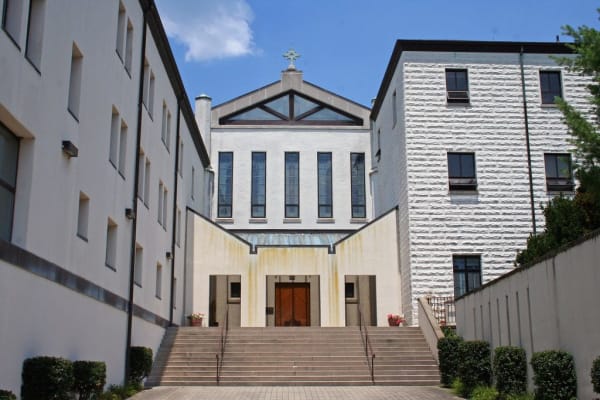
Steps rise between the pale wings of the monastery to the abbey church entrance under a blue sky.

Abbey of Our Lady of Gethsemani

Trappist

The Trappist monastery in the Nelson County knobs, founded in 1848, where Thomas Merton lived and wrote for 27 years and lies buried.

View details →

Architecture

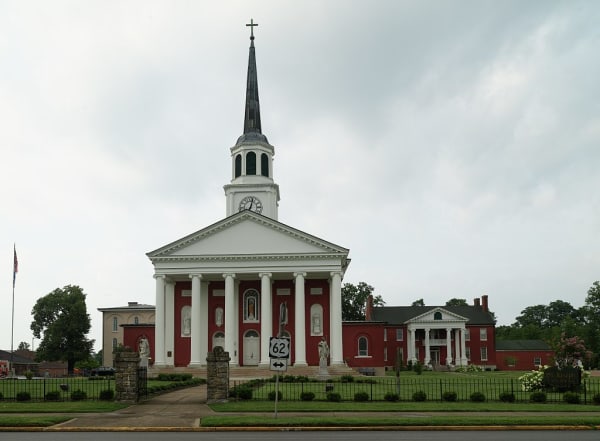
The red-brick proto-cathedral with its white columned portico and tall white steeple, behind an iron fence on the Bardstown street.

Basilica of St. Joseph Proto-Cathedral

Bardstown

Bardstown's cathedral of 1816-1819, the first Catholic cathedral west of the Alleghenies, and the enslaved family whose son founded a national Black Catholic press.

View details →

Industry & Mining

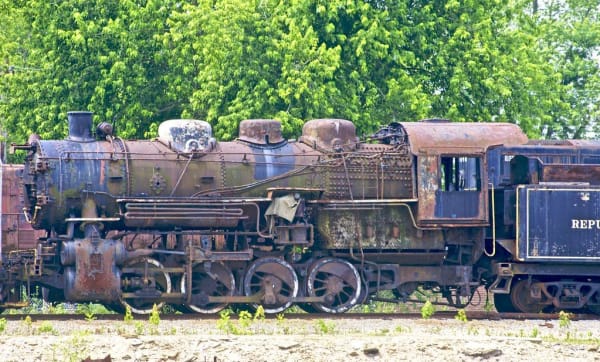
A weathered steam locomotive and tender on a siding in front of green trees at the museum yard.

Kentucky Railway Museum

New Haven

The rail museum at New Haven, on the L&N's old Lebanon branch, where excursion trains run the Rolling Fork valley and L&N No. 152 is the state locomotive.

View details →
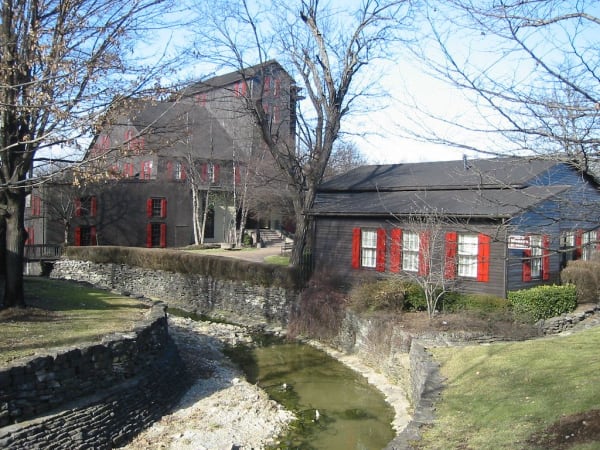
Dark distillery buildings with red shutters beside the stone-walled channel of Hardin Creek in early spring.

Maker's Mark Distillery

Loretto

The Hardin Creek distillery farm at Loretto, on a mill site of 1805, where the Samuels family began Maker's Mark in 1954 and the first working distillery to become a National Historic Landmark.

View details →

Bardstown, Bourbon & Lincoln Country rewards the unhurried. Pick a base, fan out, and let the country between the headline stops surprise you.

← Explore more of Open Road Guide