The Story
Pyramid Lake is not a scenic stop with a tribe attached to it; it is the Numu's lake, and has been for longer than anyone can say. The Northern Paiute—Numu, "the People"—have lived along this water and the lower Truckee for many centuries, and the band here calls itself the Kuyuidökadö, the cui-ui eaters, after a fish. The cui-ui is an ancient sucker that lives nowhere else on earth; its spawning runs up the river once fed the people through the lean desert year, and in their telling it is less a resource than a relative. The lake itself, Koqyoqe Panunadu—the cui-ui's water—sits at the bottom of the Truckee's long fall from Lake Tahoe, the largest surviving remnant of an inland sea that filled this basin in the Ice Age. On its eastern shore stands the tufa formation the Numu know as the Stone Mother, a grieving woman turned to stone beside the basket of tears that became the lake. To the people, this is where the world begins.
The Comstock found them anyway. When silver pulled thousands into the country to the south in 1859 and 1860, the rush spilled onto Numu land and pushed the people toward war. In May of 1860, after settlers seized and abused Paiute people held at a Pony Express station, a volunteer army marched north from Virginia City and the mining camps to punish the tribe. The Numu, under a leader named Numaga who had argued against the war, drew them into an ambush near the lake and routed them—some eighty of the volunteers were killed in an afternoon, one of the worst defeats settlers suffered in the Great Basin. A month later a far larger force returned with the U.S. Army behind it and broke the resistance in a second battle. There was no treaty, only a ceasefire, and the disruption to fishing and gathering that followed may have killed more by hunger than the fighting did. The tribe still gathers each May for a sunrise ceremony on the battlefield.
The slower violence did more lasting harm. In 1905 the federal government built Derby Dam on the Truckee upstream and began diverting nearly half the river's flow to irrigate farmland near Fallon—built without the tribe's consent, on the reasoning that feeding the Paiute by fishing did not count as a "beneficial use" of water. Cut off from much of its inflow, the lake dropped more than eighty feet over the following decades. The Lahontan cutthroat trout, once so large that explorers marveled at them, went extinct in the lake by 1939; the cui-ui, unable to climb the shrinking river to spawn, nearly followed. The Numu fought the diversion for generations, in the courts and finally the Supreme Court, and won a 1990 settlement that returned enough water to keep the lake and its fish alive. The cui-ui survives, still endangered; the trout has been brought back. It is one of the longer, harder fights for a homeland in the modern West, and it is not finished.
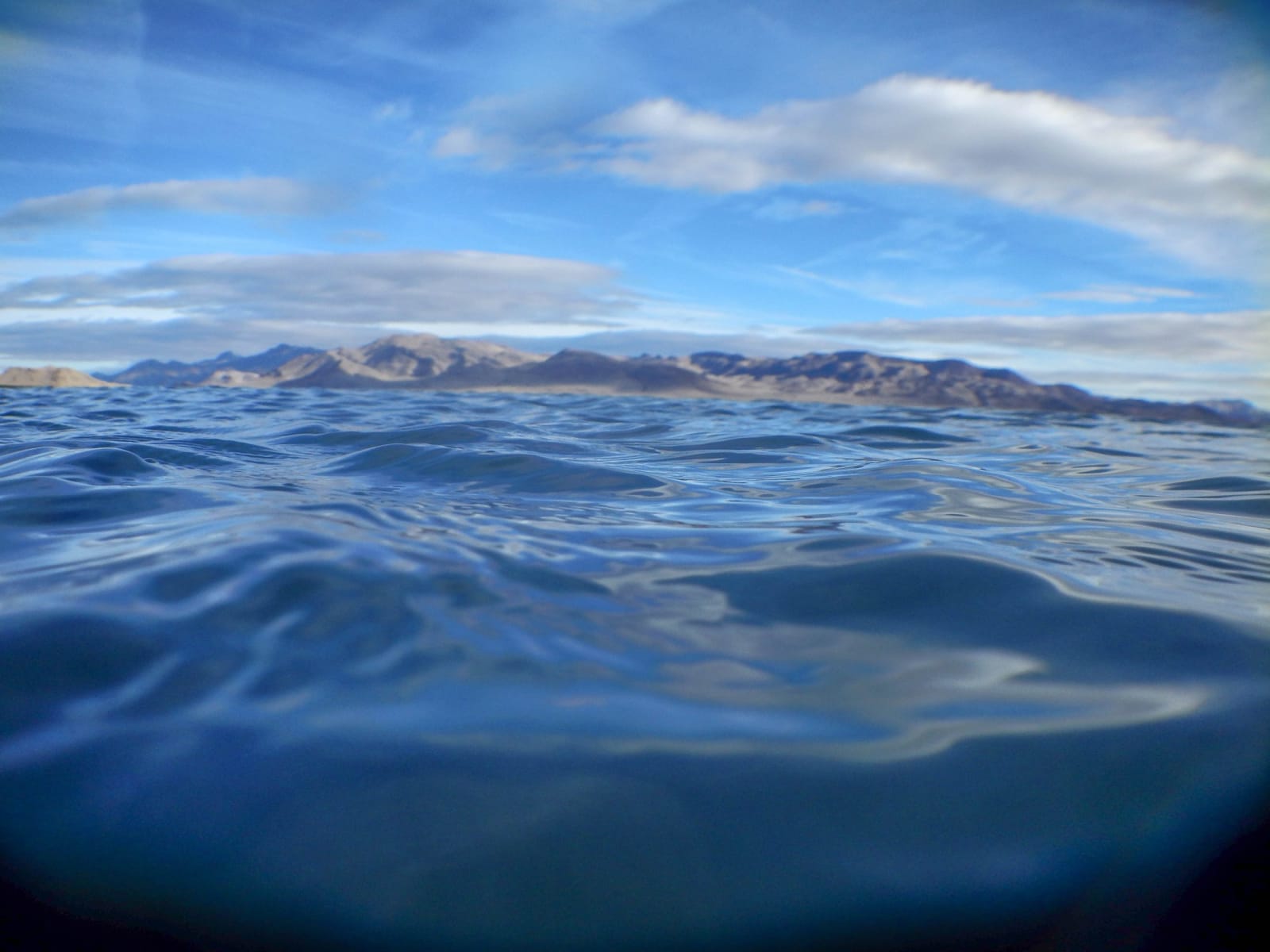
What's here now is a sovereign nation's lake, and visiting means visiting on its terms. The whole of Pyramid Lake lies within the Pyramid Lake Paiute Reservation, and recreation here—fishing for those famous big cutthroat, boating, camping on the beaches—requires tribal permits, sold at tribal stores and online. Since 2011 the north and east shores have been closed to non-members after sacred sites were desecrated, and those closures, like the Stone Mother and the pelican rookery on Anaho Island, are to be respected rather than approached. The Pyramid Lake Museum and Visitor Center at Sutcliffe, on the west shore, tells the story in the people's own words and is the right place to begin. The drive out from Reno crosses high desert that opens, suddenly, onto an impossibly blue sheet of water under bare ranges—startling, and worth the startle, so long as you remember whose it is.
This is the far end of the region's story, and its hardest truth. The same Truckee that the silver towns dammed and bridged and drank from runs here at last, into a lake the Numu have held through war, drought, and diversion. The Comstock built a state; this is part of the bill it never paid.
Visitor Info
On the Map
Stories featuring this place
Go deeper into the history and character of this stop
Nearby
The closest stops worth working into your route
Historical markers nearby
Roadside plaques and monuments within a short detour