The Story
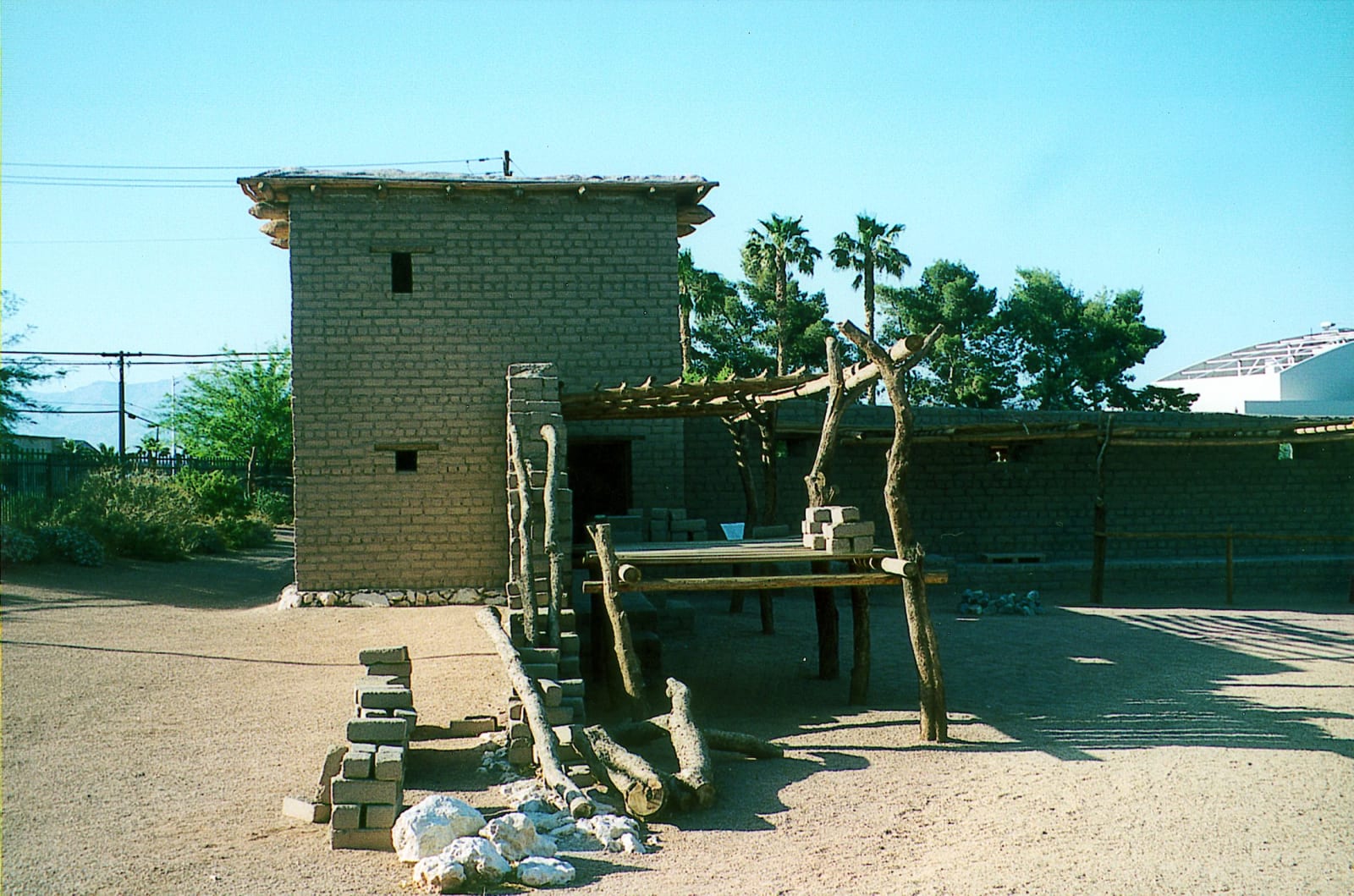
A mile north of the neon of Fremont Street, behind a low adobe wall on a downtown corner, stands the oldest building in Las Vegas — and the place where the city actually began. The Old Las Vegas Mormon Fort is a weathered adobe structure completed in 1855, ninety years before the Flamingo and more than a century before anyone thought to call this valley fabulous. It is the kind of quiet, genuine history that the modern city is very good at making you forget.
The whole story starts with water. A spring-fed creek once flowed through this valley, the only reliable water for some fifty-five miles along the trail between Salt Lake City and Los Angeles, and it made the place an oasis — a patch of green in hard desert that Spanish-speaking travelers had named las vegas, the meadows. The springs had drawn people for thousands of years; the Southern Paiute knew the valley intimately long before any wagon rolled through it.
In June of 1855, Brigham Young sent thirty Mormon missionaries south from Salt Lake City under William Bringhurst to build a way station here, halfway along the Mormon Corridor to the settlements of Southern California. With help from the local Paiute, they made thousands of adobe bricks by hand and raised a square fort — walls fourteen feet high and a hundred and fifty feet to a side, with bastions at opposing corners — one of the largest Mormon forts in the Southwest. It was meant to protect travelers, grow crops, run a post office, and bring the Paiute into the faith.
It did not last. The mission was undone within three years by hard farming, internal disputes over a lead mine in the nearby mountains, and the upheaval of the Utah War, and the Mormons abandoned the fort by 1858. But the spot was too useful to stay empty. In 1865 the prospector Octavius Gass took it over and built the Las Vegas Ranch around it; the ranch later passed to the Stewart family, and Helen Stewart — remembered as the First Lady of Las Vegas — ran it for years before selling to the railroad in 1902, which laid out the town of Las Vegas three years later.
The old fort kept finding new uses. For a couple of years around 1930, the Bureau of Reclamation leased its adobe building as a concrete-testing laboratory for the construction of Hoover Dam — an unlikely cameo for a pioneer outpost in the building of the modern Southwest. Later it housed families and even an Elks-run restaurant before preservationists and the Daughters of Utah Pioneers saved it; the city bought it in 1971, and it became a Nevada state historic park in 1991.
Today the three-acre park holds a partial reconstruction of the fort, the surviving original adobe, and a re-created trickle of the creek that started it all, with a visitor center filling in the rest. It takes under an hour, it sits a few blocks off the downtown tourist grind, and it is worth the detour for the perspective alone: Las Vegas, the most manufactured city in America, began as the rarest thing in the desert — a place with water — and you can still stand on the spot where it did.
Visitor Info
On the Map
A story featuring this place
Go deeper into the history and character of this stop
Nearby
The closest stops worth working into your route
Historical markers nearby
Roadside plaques and monuments within a short detour