The Story
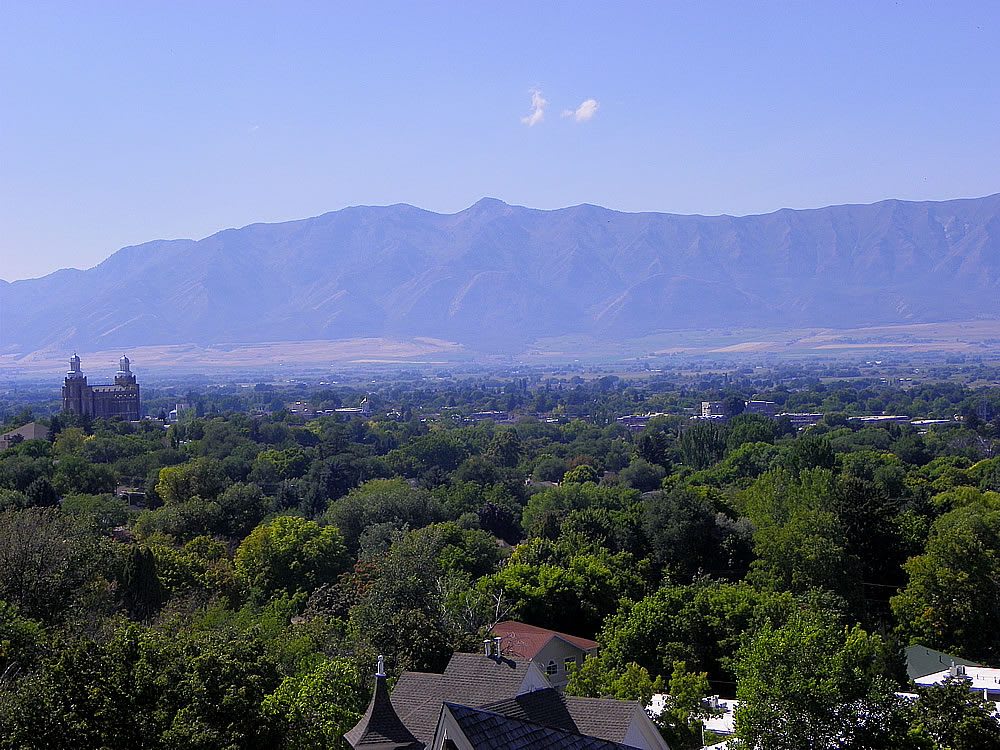
Logan is the college town that the Wasatch Front forgot, and Logan is mostly fine with the arrangement. Tucked into the northern end of Cache Valley, 80 miles from Salt Lake City and separated from the metropolitan sprawl by a mountain pass that discourages casual commuting, Logan has developed its own identity — university-anchored, agriculturally grounded, and culturally richer than its population of 55,000 would suggest. Utah State University provides the intellectual energy, the performing arts, and the steady supply of young people that keep the town from calcifying, while the surrounding farm and ranch country provides the rootedness that keeps it from floating away.
The historic downtown is walkable and well-preserved, with a Main Street of brick commercial buildings that has been upgraded without being gutted. Restaurants, coffee shops, bookstores, and small businesses occupy storefronts that have been in continuous commercial use for over a century, and the overall atmosphere is the relaxed, slightly bohemian vibe that college towns cultivate when they are far enough from a major city to develop their own cultural gravity.
The Ellen Eccles Theatre, a beautifully restored 1923 vaudeville house on Main Street, is the cultural anchor of downtown. The theater hosts touring productions, local performances, film screenings, and community events in an auditorium that retains its original ornate plasterwork, painted ceiling, and the intimate scale of a pre-cinema entertainment venue. Seeing a show in the Ellen Eccles is a reminder of what public entertainment felt like before multiplexes and streaming — a shared experience in a beautiful room, with the creaking seats and the faint smell of old velvet adding to the atmosphere.
The Utah Festival Opera and Musical Theatre, based in Logan, produces professional-quality productions every summer that draw audiences from across the region. The festival operates in the Ellen Eccles and other venues, and the combination of professional talent, intimate theater settings, and affordable ticket prices creates an arts experience that punches well above Logan's demographic weight.
The town's food scene reflects both its agricultural setting and its university population. Farm-to-table restaurants draw on the Cache Valley's dairy, beef, and produce — the valley is one of Utah's most productive agricultural regions — while international cuisines brought by the university's diverse student body add variety that most towns this size cannot support. The Cache Valley Cheese factory, just south of town, produces cheese that is distributed nationally, and the dairy heritage of the valley is visible in the pastures and barns that line the highways approaching town.
Logan sits at the mouth of Logan Canyon, one of the most beautiful mountain drives in Utah, and at the western edge of a valley that stretches north to the Idaho border. The Wellsville Mountains rise to the west — the steepest range in North America for their height — and the Bear River Range rises to the east, with Logan Canyon cutting through it toward Bear Lake. The recreational opportunities surrounding the town are extensive and varied — skiing at Beaver Mountain, hiking in the canyon, climbing on the limestone walls, fishing in the Logan River, and mountain biking on a growing trail network that the university community has helped develop.
Logan is not a tourist town. It does not market itself aggressively, and it does not appear on most Utah itineraries. But for travelers heading to or from Bear Lake, or passing through northern Utah on their way to Yellowstone or the Tetons, Logan offers a quality stop — good food, genuine culture, beautiful surroundings, and the unhurried pace of a town that knows exactly what it is and does not feel the need to be anything else.
Visitor Info
On the Map
Nearby
The closest stops worth working into your route
Historical markers nearby
Roadside plaques and monuments within a short detour