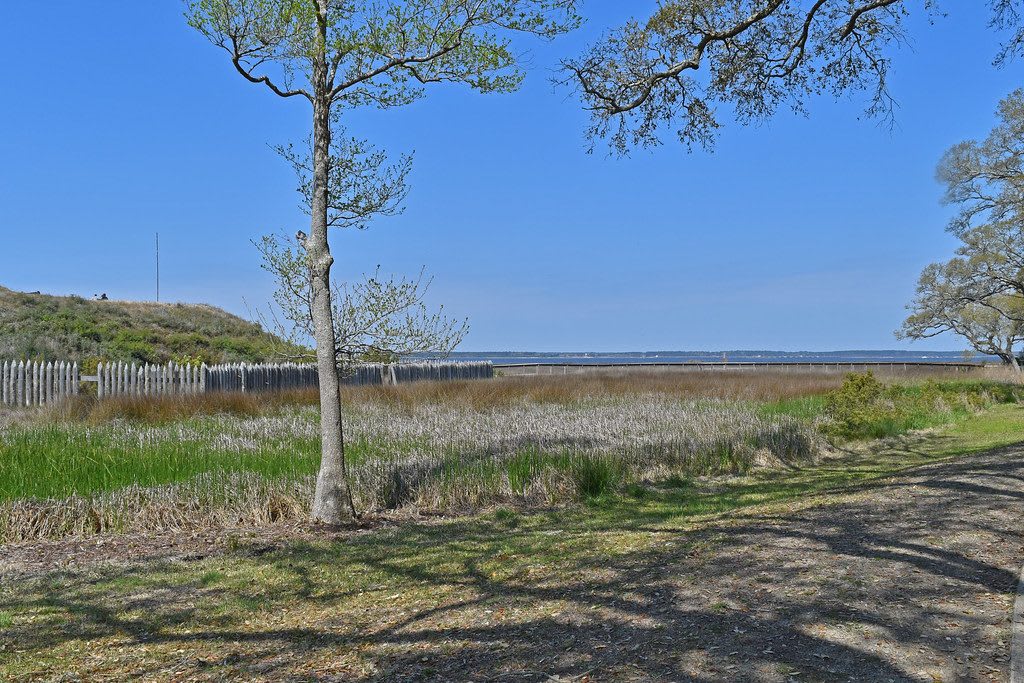
Wilmington & the Cape Fear
Coharie and Waccamaw Siouan country on the Cape Fear: Fort Fisher, Moores Creek, Brunswick Town, Wilmington's 1898 memorial, Jones Lake and the Green Swamp's flytraps.
The Coharie and the Waccamaw Siouan still live in this country. Coharie families near Clinton paid for their own schools before the Civil War and in 1943 won the East Carolina Indian School, now their tribal office and powwow ground. The Waccamaw Siouan communities of St. James, Buckhead and Council sit at the edge of the Green Swamp, a few miles from Lake Waccamaw, the largest Carolina bay.
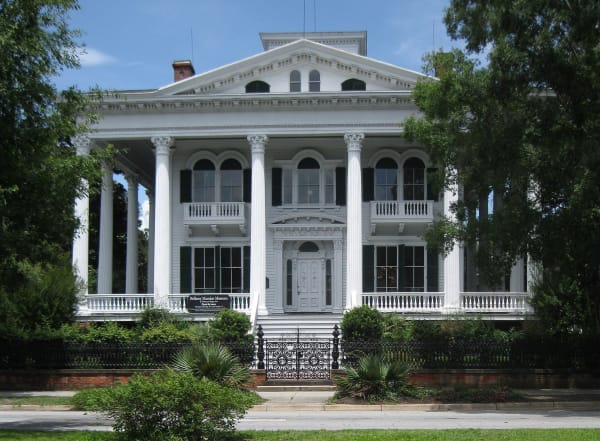
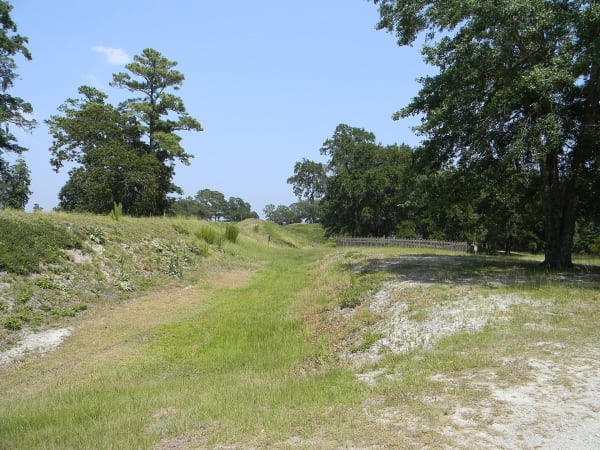
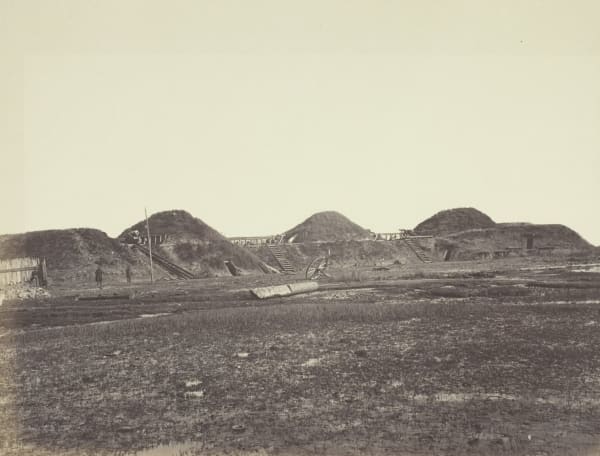
The Cape Fear made the rest. Brunswick shipped naval stores and defied the Stamp Act before it burned in 1776, and Highland Loyalists broke at Moores Creek that February. Enslaved and free Black men raised Fort Fisher, which fell in 1865 to an assault that included the 27th U.S. Colored Troops. In Wilmington the Bellamy Mansion keeps its slave quarters, 1898 Memorial Park stands for the Black residents killed in the coup of November 10, 1898, and Gregory Congregational sheltered the students of 1971 whose case became the Wilmington Ten.
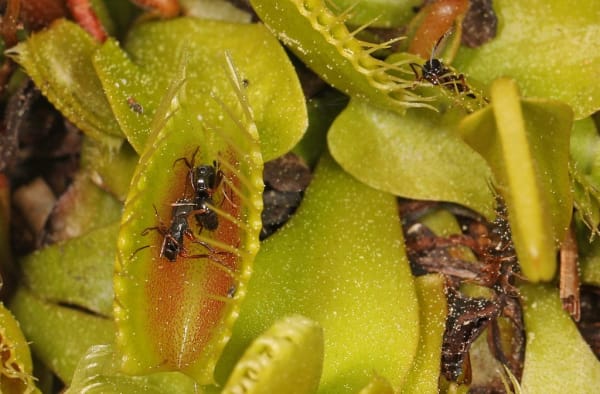
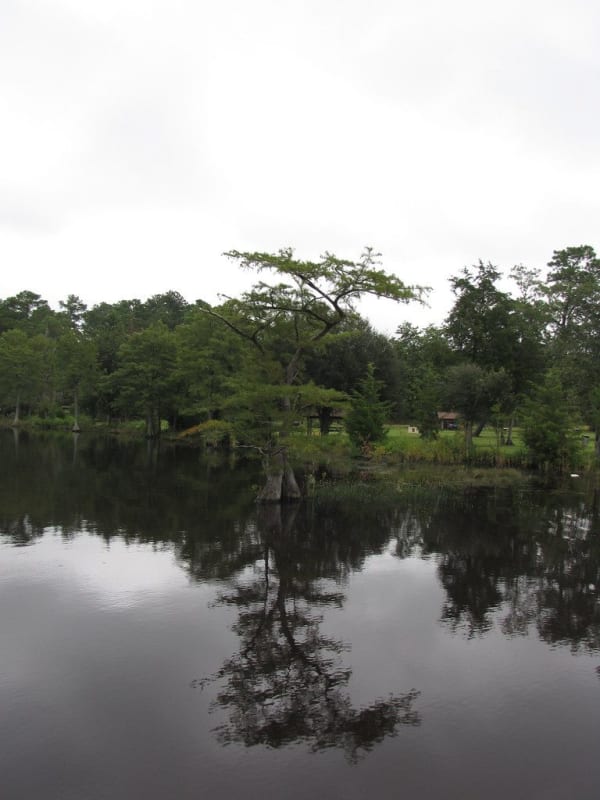
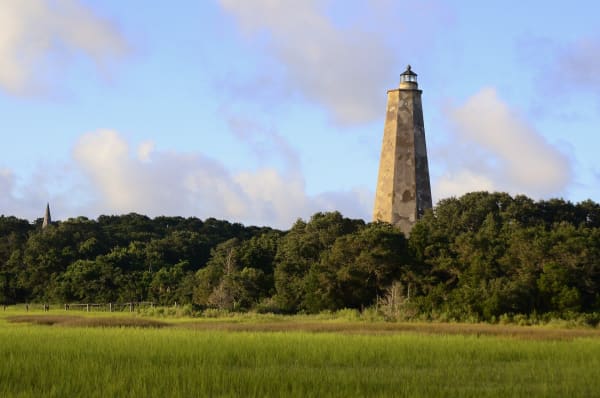
Inland the land is low and wet: Jones Lake, opened in 1939 as the first state park to welcome Black North Carolinians, and the Green Swamp's fire-kept savannas, where Venus flytraps grow wild. At the river's mouth Old Baldy, the state's oldest standing lighthouse, is a ferry ride from Southport.
What to See in Wilmington & the Cape Fear
11 places across the region, grouped by what they are.
Natural Areas
Historic Sites
Wilmington & the Cape Fear rewards the unhurried. Pick a base, fan out, and let the country between the headline stops surprise you.
← Explore more of Open Road Guide