Tuskegee & East Alabama
Horseshoe Bend, Fort Mitchell and Creek removal, Tuskegee's school, airfield and syphilis-study memorial, and Lake Martin over the drowned Black town of Kowaliga.
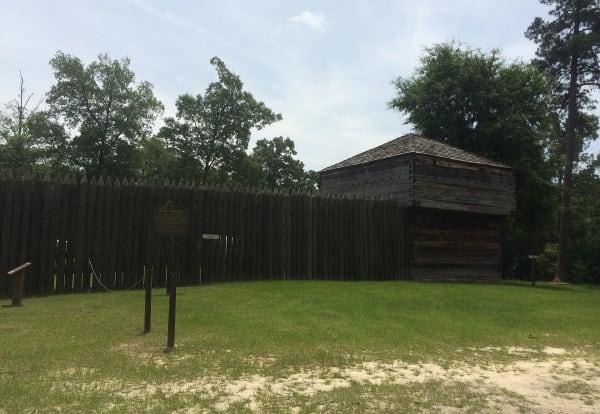
The Tallapoosa and the Chattahoochee ran through the heart of the Muscogee (Creek) Nation, the Upper towns on one river and the Lower towns on the other. At Horseshoe Bend, Red Stick families from six towns built Tohopeka behind a log wall, and on March 27, 1814, more than 800 of their men died there. Fort Mitchell, on the Federal Road, held the Creek agency and in 1836 became a gathering point for removal west; Loachapoka, the Creek town Lucv-Pokv, was burned that May.
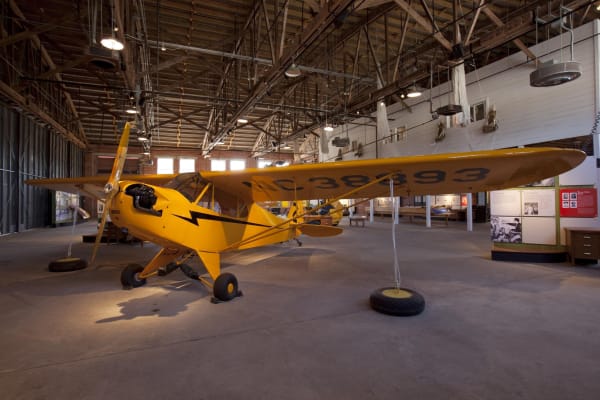
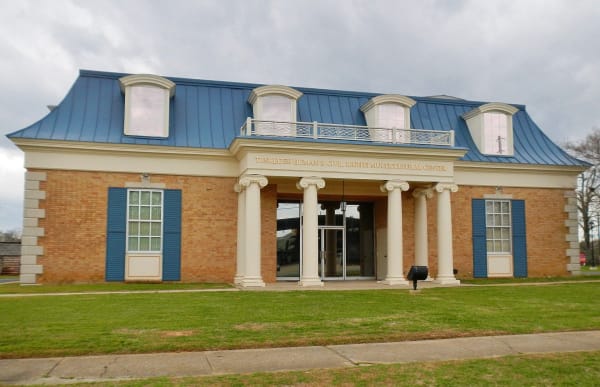
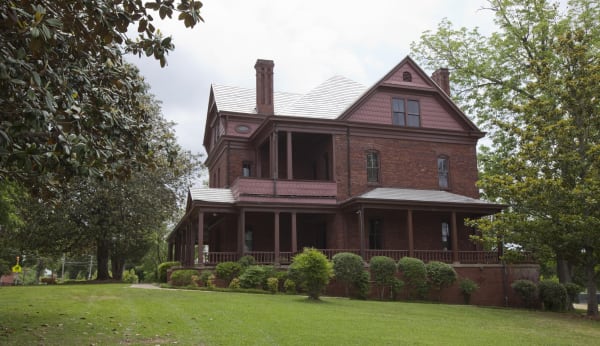
Tuskegee is the region's center. Lewis Adams traded Black votes for a school, Booker T. Washington opened it in 1881, and students built the campus by hand, The Oaks among it. At Moton Field the first Black military pilots learned to fly. The Tuskegee History Center remembers the 399 men of the Public Health Service syphilis study, left untreated from 1932 to 1972, in the town where the Supreme Court struck down a 28-sided city line drawn to shut out Black voters. North of town the national forest grew on worn-out cotton farms.
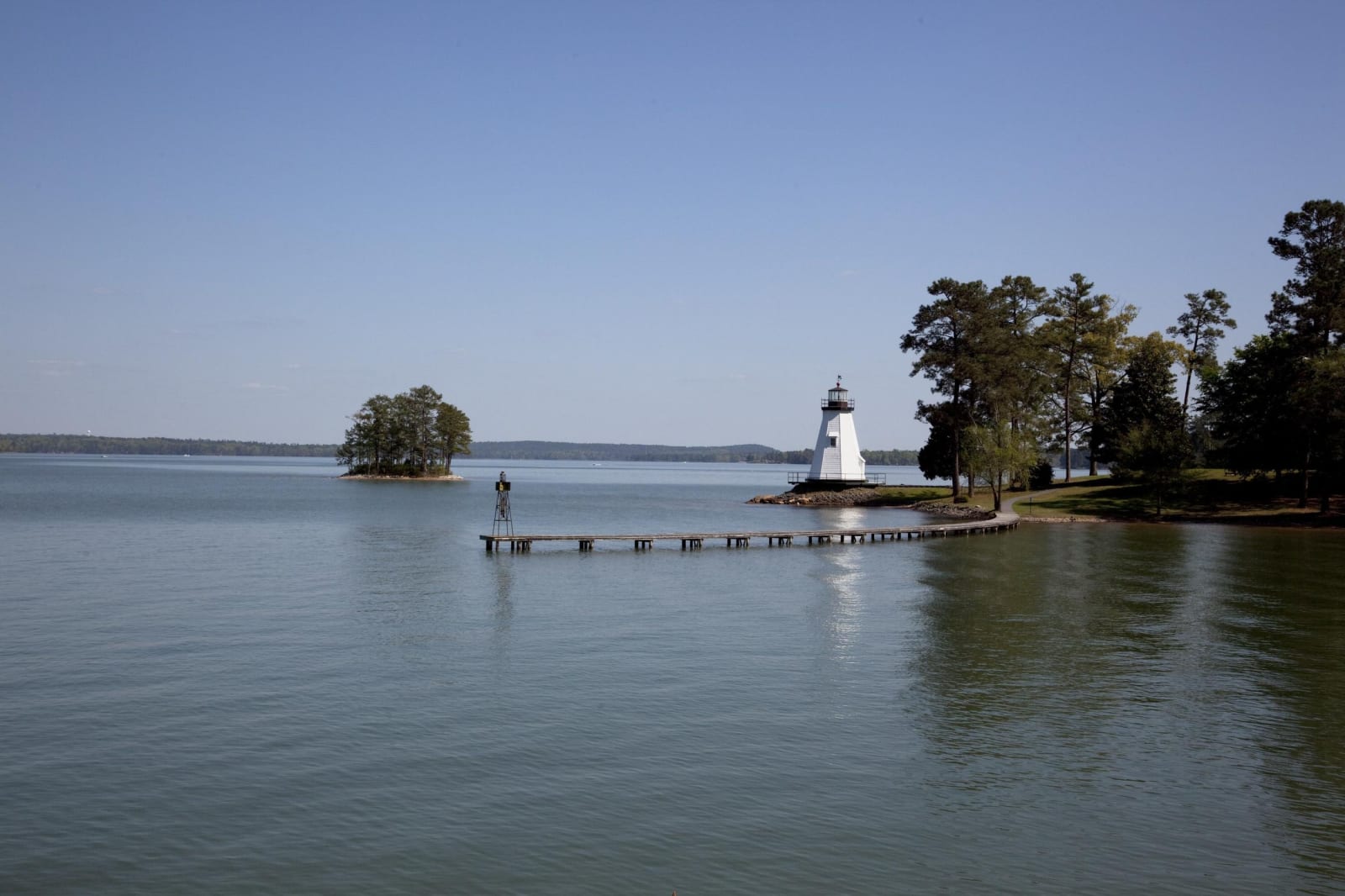
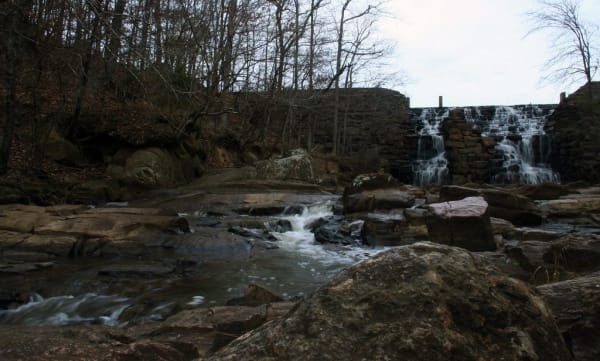
Lake Martin covers Kowaliga, the farms and school a man born enslaved built on the creek where he was born, and Wind Creek State Park sits on its shore. In Auburn, Chewacla's CCC dam spills as a waterfall, and Toomer's Corner turns white with paper after a win.
What to See in Tuskegee & East Alabama
10 places across the region, grouped by what they are.
Natural Areas
Hikes & Trails
Historic Sites
Towns & Gateways

Tuskegee & East Alabama rewards the unhurried. Pick a base, fan out, and let the country between the headline stops surprise you.
← Explore more of Open Road Guide