 USDA Forest Service / public domain via Flickr
The Story
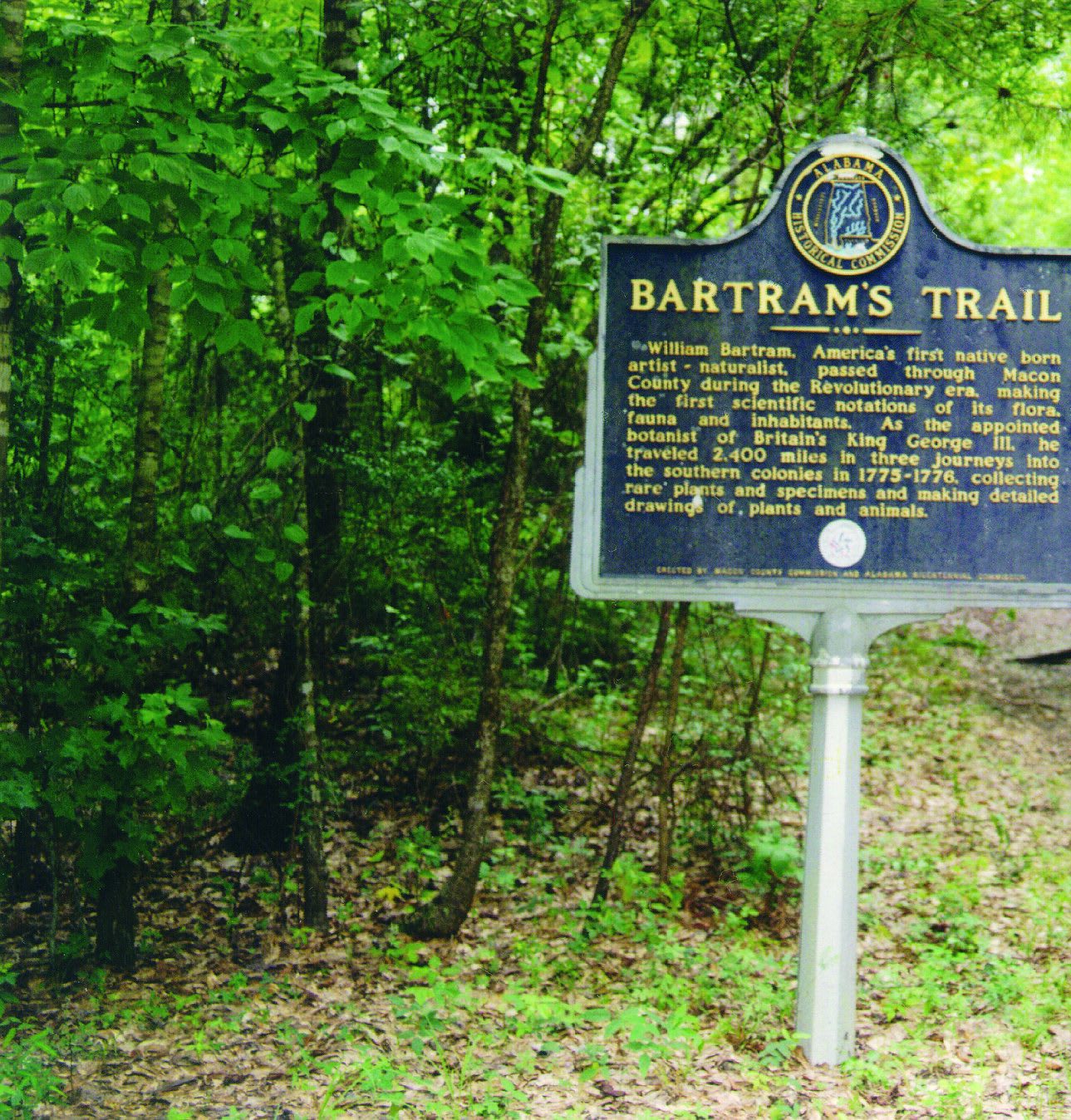
This was Creek country when the naturalist William Bartram rode through it in the 1770s, writing down the plants, birds and towns he found, and the long trail named for him crosses the forest today. A century and a half of cotton then did its damage. By the 1930s most of the timber was gone, the hillsides were cut by gullies, sediment filled the valleys and streams, and the Black tenant farmers who worked the small farms here could barely make a crop.
In December 1934 Tuskegee Institute's president, Robert R. Moton, met federal and state officials about those farmers. The plan that followed bought out thousands of acres of worn land and moved several hundred farmers onto better ground, among them the new community of Prairie Farms. Starting with 35 workers and a five-acre nursery, the Tuskegee Land Utilization project had more than a million trees in the ground by the end of 1936, and many of the farmers who sold found work planting them. The Works Progress Administration added campgrounds and trails, built with separate picnic areas, shelters and benches for Black and white visitors, and the Forest Service took over in 1954.
At about 11,000 acres the forest is the smallest in the national system, and one of the few held within a single county. Taska Recreation Area makes a good start. The Bartram National Recreation Trail, the Tsinia Wildlife Viewing Area, two fishing ponds and the old Pleasant Hill fire tower are spread through the pines.
Visitor Info
On the Map
Nearby
The closest stops worth working into your route
Historical markers nearby
Roadside plaques and monuments within a short detour