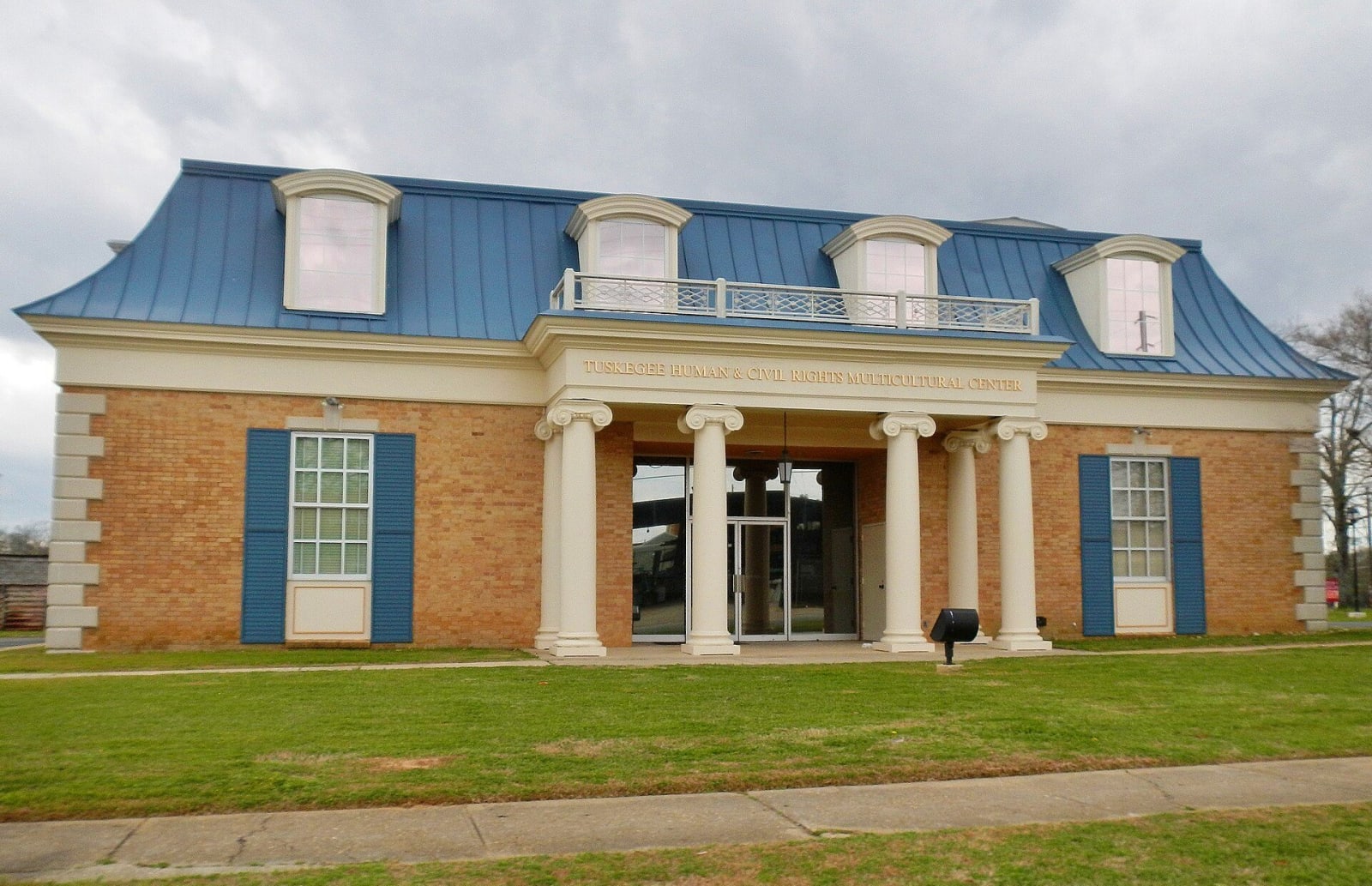
 Rivers Langley / CC BY-SA 3.0 via Wikimedia Commons
The Story
From 1932 to 1972 the U.S. Public Health Service ran a study of untreated syphilis on 399 Black men from Macon County and the counties around it, with 201 uninfected men as controls. The men were never told what was wrong with them. They were told they had "bad blood" and given aspirin and tonics; spinal taps were called "back shots." Tuskegee Institute's hospital and the state and county health departments took part. During World War II the men were kept out of the draft, where they would have been treated, and when penicillin became the cure in the late 1940s the Service worked to keep it from them.
Peter Buxtun, a venereal-disease investigator in San Francisco, pressed for years to stop it, and on July 25, 1972, Jean Heller of the Associated Press broke the story. Fred Gray, the Tuskegee civil rights lawyer, sued for the men and their families and won a $10 million settlement and medical care. No one was prosecuted. The outcry brought the consent rules and review boards that now govern research on people, and in 1997 President Clinton apologized.
Gray and Herman Shaw, a survivor, founded the center that year as the men's memorial. It is also Macon County's welcome center, with galleries on the county's Native, European American and African American past. In Tuskegee in January 1966, Samuel Younge Jr., a Tuskegee Institute student and Navy veteran registering voters, was shot dead for trying to use a whites-only restroom at a gas station; an all-white jury acquitted the attendant.
Visitor Info
On the Map
Nearby
The closest stops worth working into your route
Historical markers nearby
Roadside plaques and monuments within a short detour