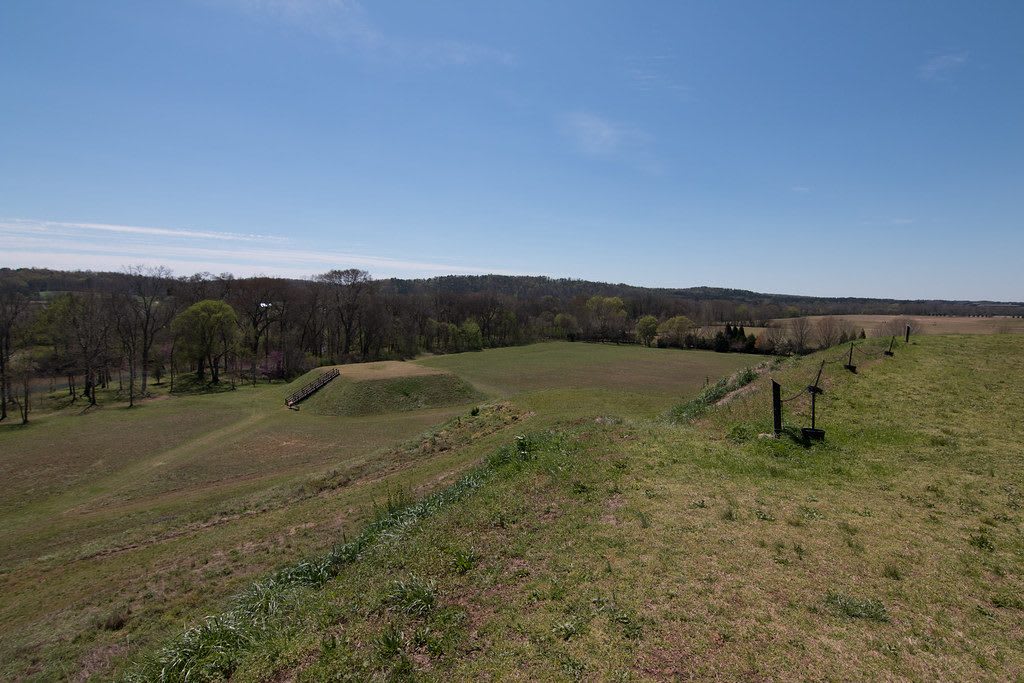
Rome, Chickamauga & Northwest Georgia
Northwest Georgia from Etowah's mounds and the Cherokee capital at New Echota to Chickamauga, Rome, Rock City, Cloudland Canyon and Finster's Paradise Garden.
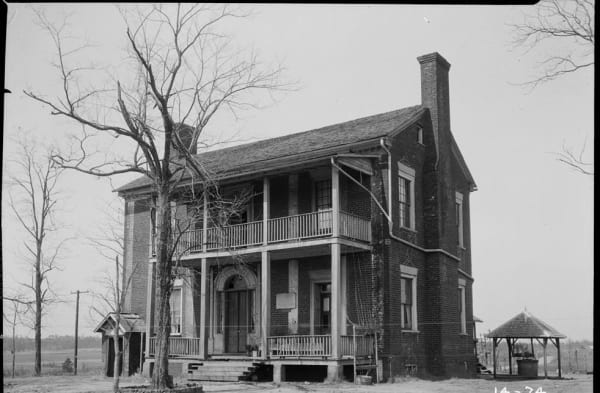
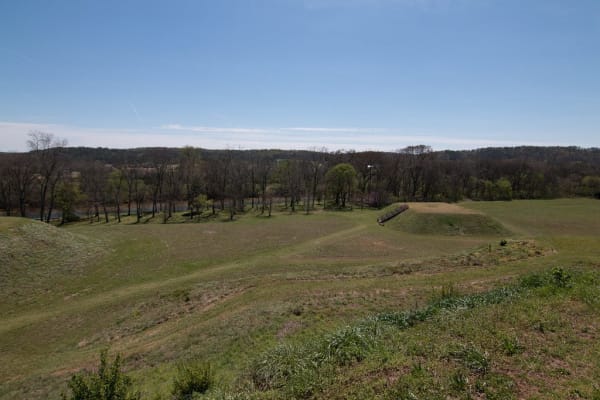
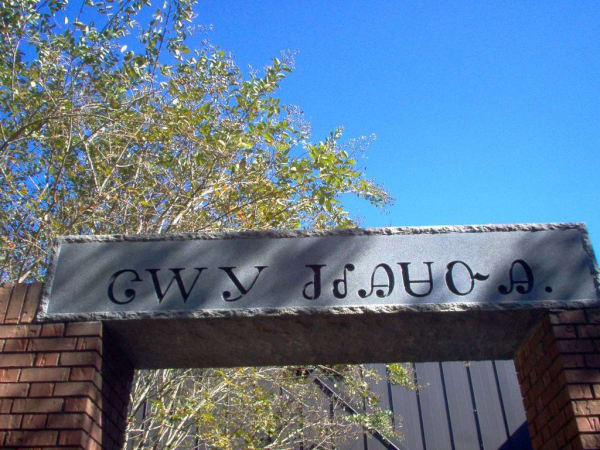
A thousand years ago the Mississippian town of Etowah rose beside the Etowah River, and the Muscogee (Creek) Nation counts it as its most important ancestral town; an older Native stone wall still crowns Fort Mountain. By the 1820s this was the heart of the Cherokee Nation. Its capital at New Echota printed the Cherokee Phoenix, James Vann built his brick house at Spring Place, and Major Ridge farmed on the Oostanaula at Rome. Georgia's lotteries and the 1835 treaty signed at New Echota without the Nation's consent ended it, and in 1838 soldiers drove the Cherokee west.
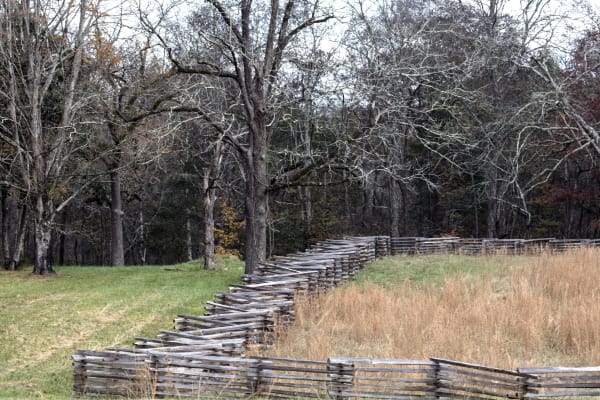
Enslaved people worked the plantations here, Vann's among them, and on the farms that became the Chickamauga battlefield the 1860 census listed five of one planter's enslaved people as fugitives. There, in September 1863, about 34,000 men were killed, wounded, captured or missing. The next spring Sherman's armies pushed south toward Atlanta, and at Pickett's Mill a Union brigade was cut down in a ravine.
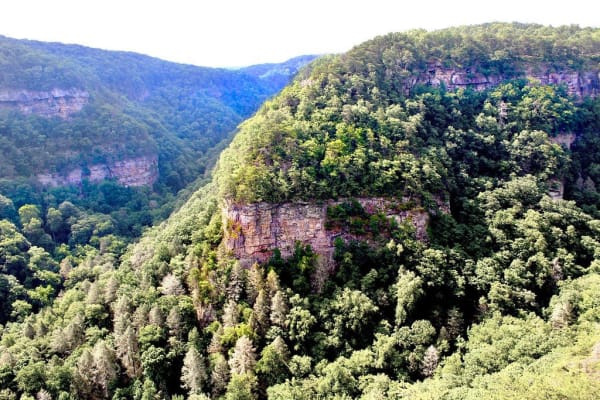
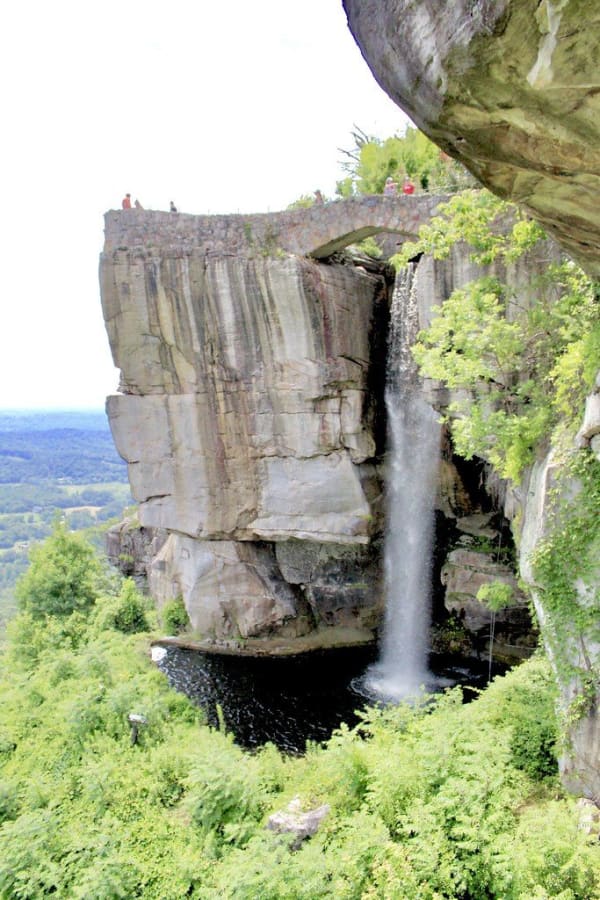
The twentieth century brought gentler landmarks. Martha Berry built her work schools for mountain children north of Rome, the Carters opened Rock City on Lookout Mountain and painted its name on barns across the country, Georgia built a road into the State of Dade to reach the gorge at Cloudland Canyon, and Howard Finster raised his Paradise Garden of bicycle towers and Bible verses in Pennville.
What to See in Rome, Chickamauga & Northwest Georgia
11 places across the region, grouped by what they are.
Natural Areas
Historic Sites
Towns & Gateways
Attractions
Rome, Chickamauga & Northwest Georgia rewards the unhurried. Pick a base, fan out, and let the country between the headline stops surprise you.
← Explore more of Open Road Guide