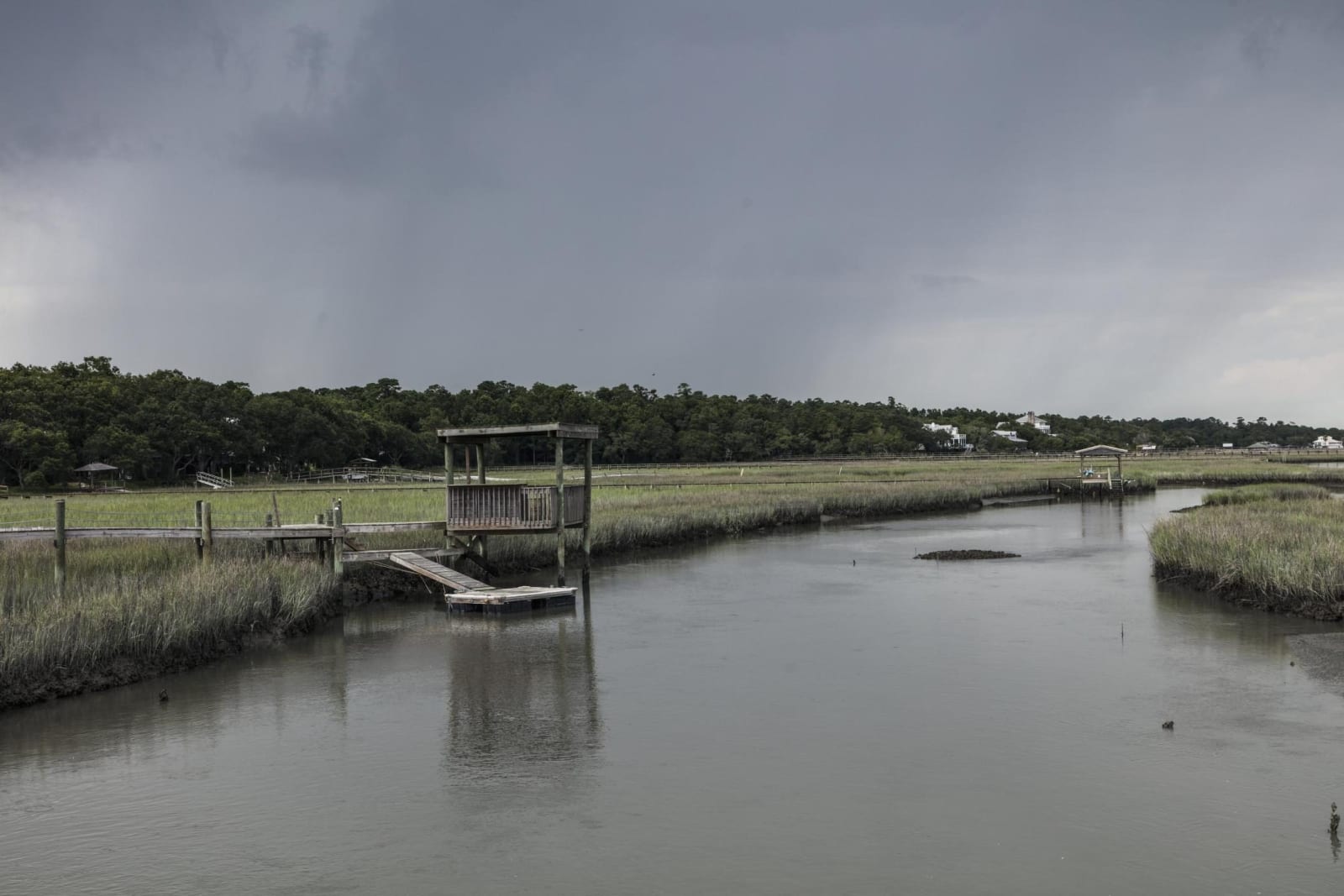
Myrtle Beach, Georgetown & the Grand Strand
Waccamaw Neck rice country and the Grand Strand: Hobcaw Barony, Brookgreen, Georgetown's Rice Museum, Atlantic Beach, Charlie's Place and Huntington Beach.
Before the Grand Strand, this coast belonged to the Waccamaw, Winyah, Sampit, Pee Dee and Santee peoples, and the rivers still carry their names. In 1521 Spanish raiders carried off people from around Winyah Bay; one of them, Francisco of Chicora, slipped away inland when Ayllón's colonists landed in 1526. The Waccamaw Indian People, South Carolina's first state-recognized tribe, are based in Horry County today.
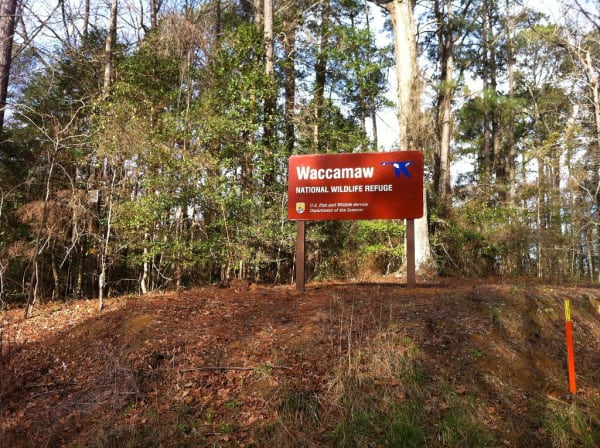
Rice made Georgetown rich. Enslaved Africans cut the tidal fields now inside Waccamaw refuge, and by 1860 they were 85 percent of the county. Their villages still stand at Hobcaw Barony, and the Lowcountry Trail at Brookgreen tells of the more than a thousand people Joshua John Ward held. Joseph Rainey, born enslaved in Georgetown, became the first Black member of the U.S. House, and at Kingstree twenty-two Black prisoners died in the 1867 jail fire.
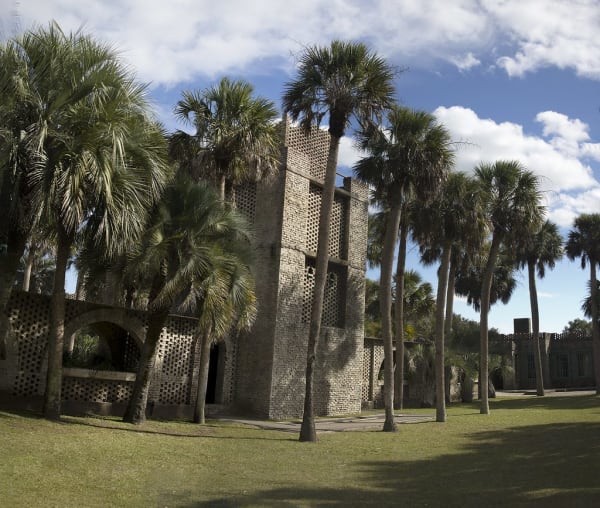
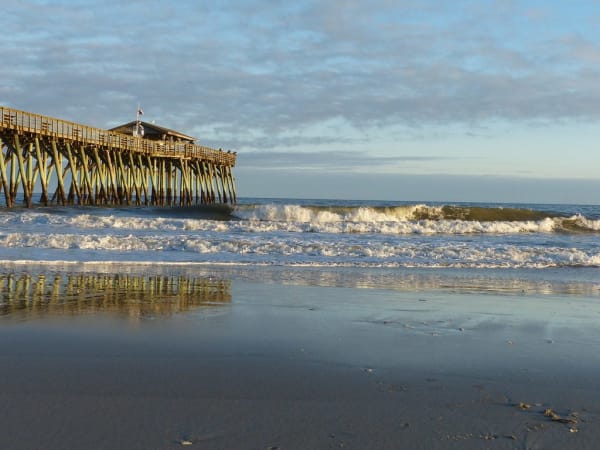
Horry was another country of small farms and tobacco, with Conway on its river bluff, until the beach boom. Segregation kept Black families to Atlantic Beach, the Black Pearl, and the Klan fired into Charlie's Place in 1950. Myrtle Beach State Park, Atalaya at Huntington Beach, the wild flytraps of Lewis Ocean Bay and Scott's whole hog in Hemingway round out the drive.
What to See in Myrtle Beach, Georgetown & the Grand Strand
12 places across the region, grouped by what they are.
Natural Areas
Historic Sites
Towns & Gateways
Food & Drink
Scenic Drives through Myrtle Beach, Georgetown & the Grand Strand
Myrtle Beach, Georgetown & the Grand Strand rewards the unhurried. Pick a base, fan out, and let the country between the headline stops surprise you.
← Explore more of Open Road Guide