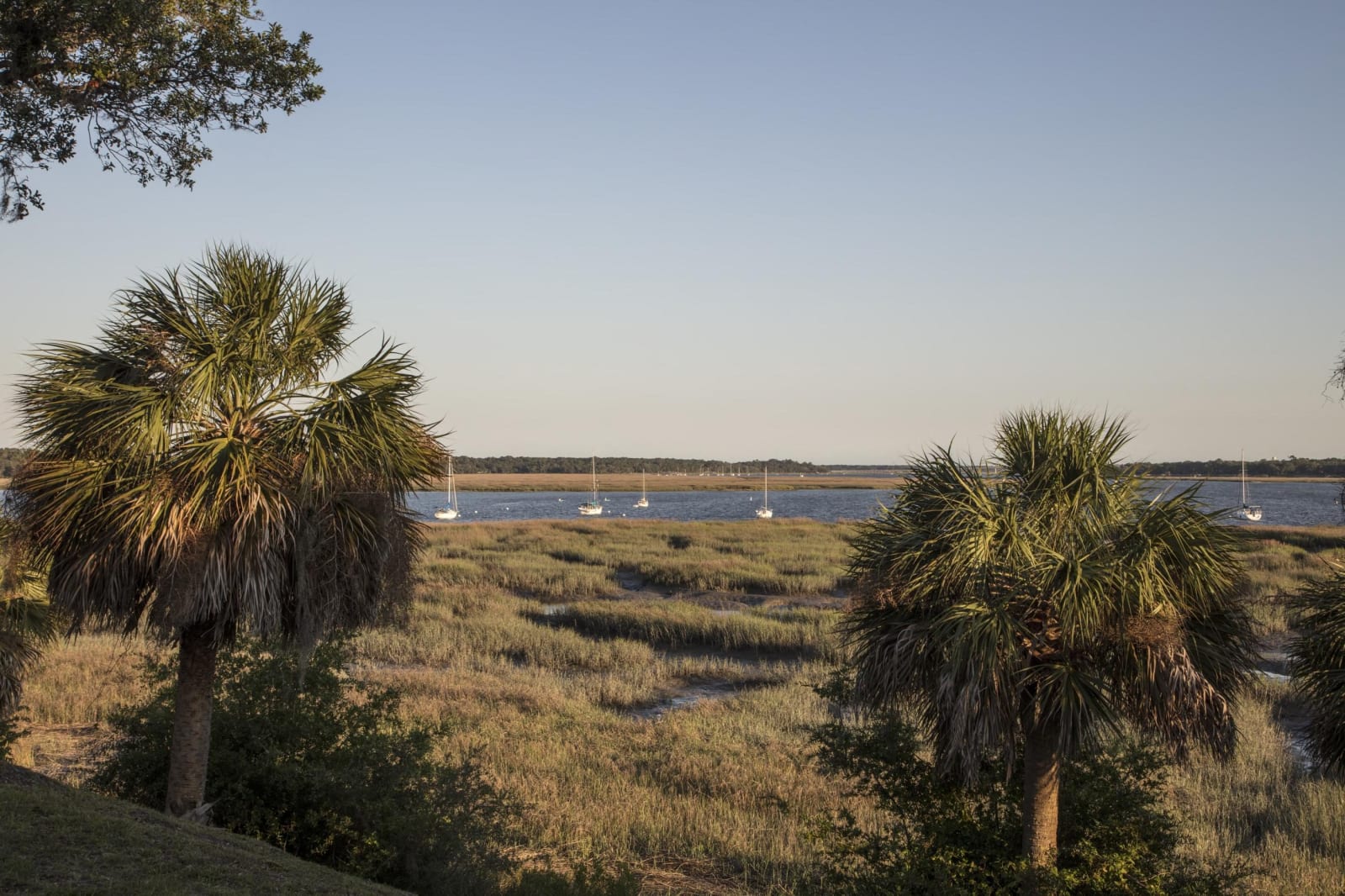
Beaufort, Port Royal & the Sea Islands
Penn Center, Mitchelville, Fort Frederick, Robert Smalls's Beaufort, Old Sheldon Church, Hunting Island and the rice-field refuges of the southern Sea Islands.
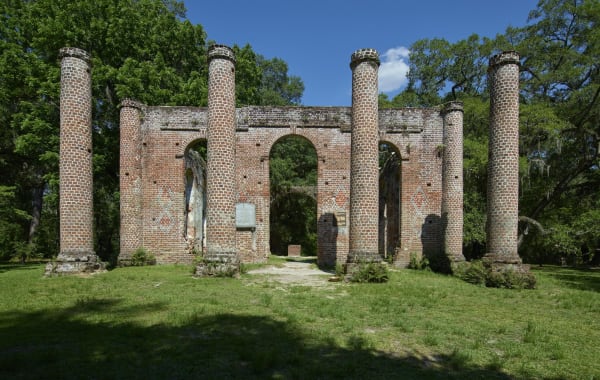
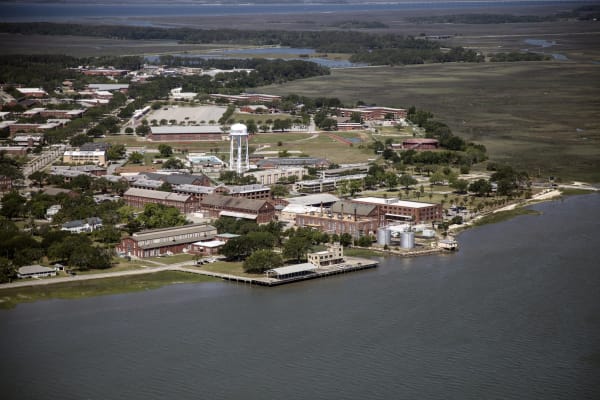
The Orista, Escamazu and Guale drove the Spanish out of Santa Elena in 1576, on ground now inside the Parris Island depot, whose museum tells of Charlesfort and the first capital of Spanish Florida. People had lived on Pinckney Island for thousands of years by then, most of all in the Mississippian centuries. The tabby walls of Fort Frederick hold shell and pottery from Native middens, and the Yamasee war on Carolina began in 1715 at Pocotaligo, near the brick ruin of Old Sheldon Church.
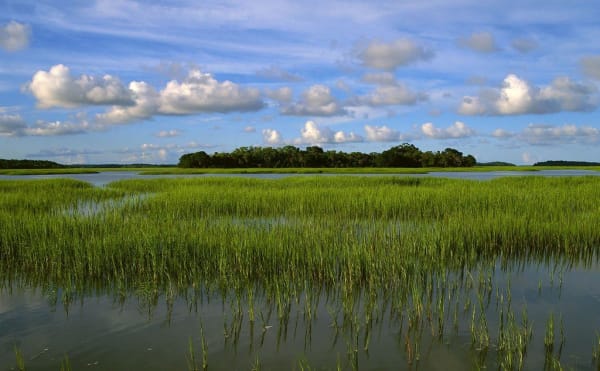
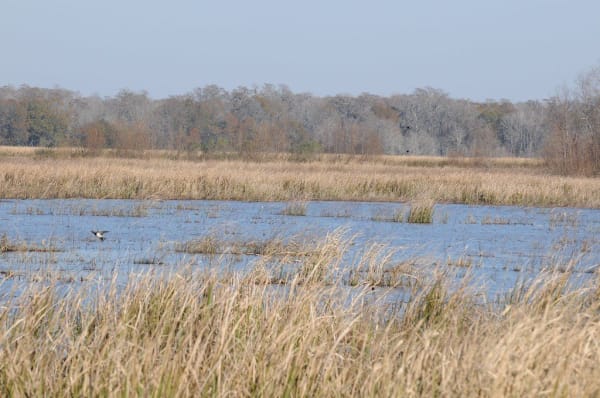
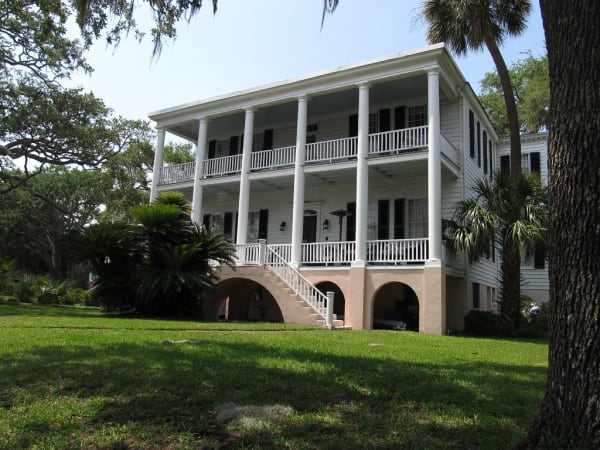
Enslaved people built the rice dikes now driven at Savannah National Wildlife Refuge and grew Sea Island cotton on Pinckney Island. When the Union took Port Royal Sound in 1861, freedom came here early: the Penn School opened on St. Helena Island, Mitchelville governed itself on Hilton Head, and on January 1, 1863, emancipation was read at Camp Saxton beside Fort Frederick. Robert Smalls came home to Beaufort and bought the house of the man who had enslaved him.
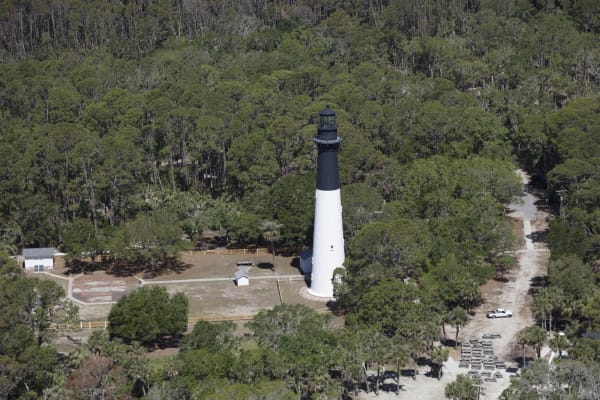
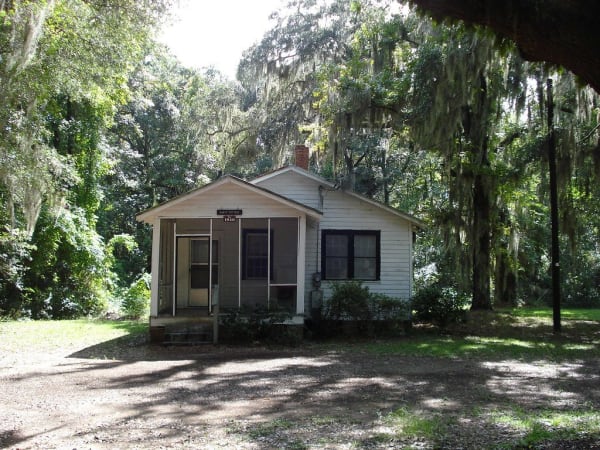
Bluffton, where the first secession movement was named, keeps a freedman's house by its oyster factory. Hampton keeps the schoolhouse a Black carpenter built in 1929. Hunting Island keeps five miles of beach, maritime forest and a cast-iron lighthouse moved inland in 1889, and the refuges fill with wintering ducks.
What to See in Beaufort, Port Royal & the Sea Islands
11 places across the region, grouped by what they are.
Natural Areas
Historic Sites
Scenic Drives through Beaufort, Port Royal & the Sea Islands
Beaufort, Port Royal & the Sea Islands rewards the unhurried. Pick a base, fan out, and let the country between the headline stops surprise you.
← Explore more of Open Road Guide