Home / Colorado / The Arkansas Valley & the Santa Fe Trail / Sand Creek Massacre National Historic Site
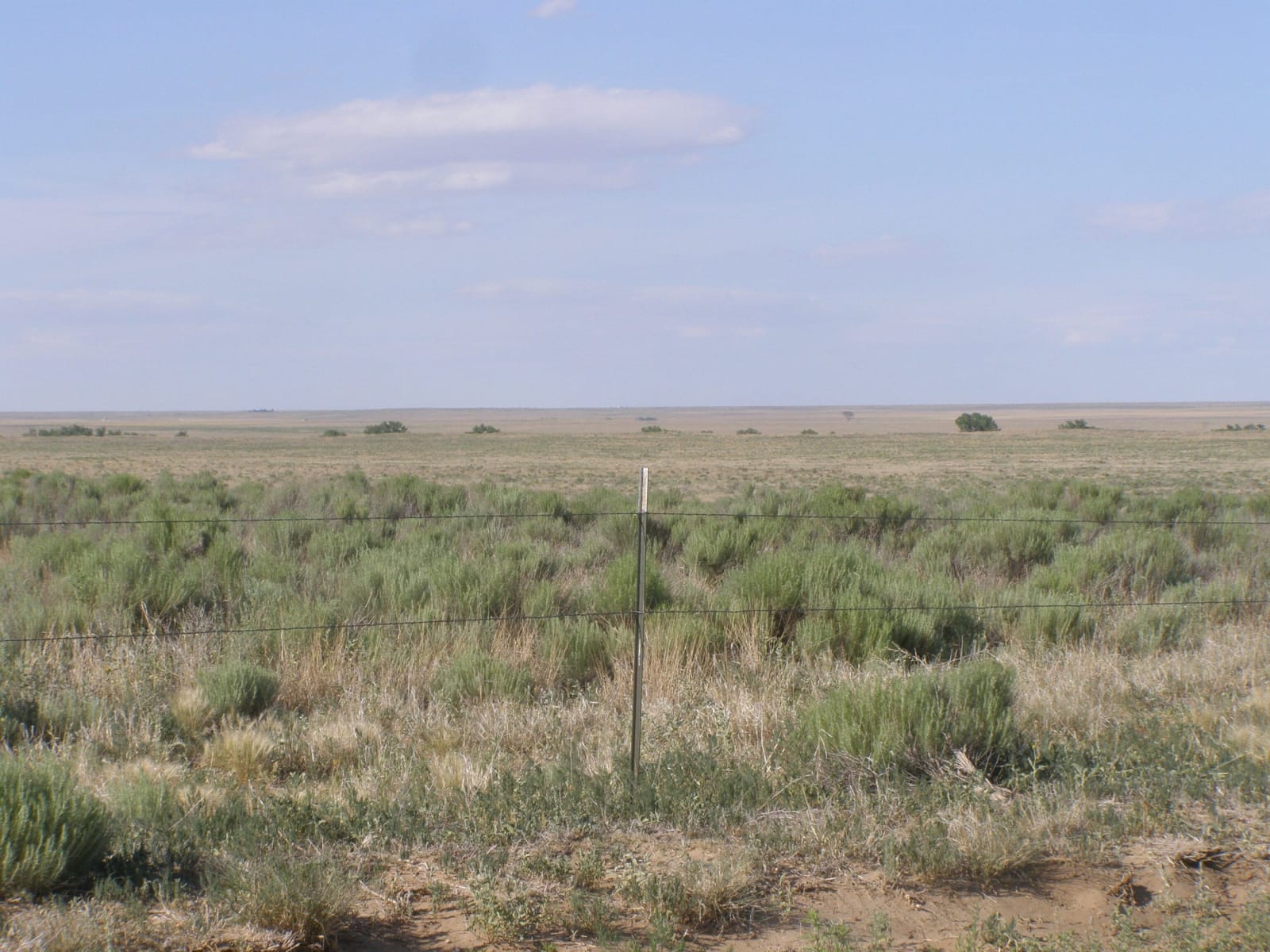
Shortgrass and sage on the open plain at the Sand Creek Massacre National Historic SiteChris Light / CC BY-SA 4.0 via Wikimedia Commons
🏛️Historical

Sand Creek Massacre National Historic Site

Part ofThe Arkansas Valley & the Santa Fe Trail

Lost even to the survivors' descendants for more than a century, and found again in 1999 by tribal oral history, archives and a metal detector working together.

Off the Beaten PathNative American HeritageSpringFallFree
⏱
Duration
One to two hours.
🎟
Admission
Free.
📅
Best Season
Spring and fall; summer is hot.

The Story

By the late twentieth century nobody could say for certain where on Big Sandy Creek the massacre of November 29, 1864, had happened. The soldiers' accounts disagreed, the creek had shifted, and the land had passed through homesteads and ranches. The descendants of those who survived carried the event in family memory but had lost the exact ground. An earlier search by a state historical group had looked at two places in Kiowa County and could confirm neither.

In 1998 Congress, at the urging of Senator Ben Nighthorse Campbell, directed the National Park Service to find the site in consultation with the Cheyenne and Arapaho Tribes of Oklahoma, the Northern Cheyenne Tribe and the Northern Arapaho Tribe. The tribes gathered their own oral histories, carried out by descendants of survivors and tribal leaders. Historians worked through maps, diaries, testimony, homestead files and an 1868 army map; archaeologists swept the ground with metal detectors in May 1999 and found the debris of a camp, howitzer fragments and the domestic objects of Cheyenne and Arapaho families. The study, completed that year, placed the village along the creek north of a bend, though some tribal traditions place parts of the events elsewhere within the boundary, and the difference has been honestly left open.

Congress authorized the historic site in 2000 and it opened in 2007; it has since more than doubled in size. A short road leads to an overlook above the creek and a monument on the hill above it. Every November, Cheyenne and Arapaho runners carry the Sand Creek Massacre Spiritual Healing Run from this ground to Denver. It is a place of mourning, and visitors are asked to treat it as one.

Visitor Info

⏱
Time Needed
One to two hours.
🎟
Admission
Free.
📅
Best Season
Spring and fall; summer is hot.
🛣️
Highway
CO-96

On the Map

Nearby

The closest stops worth working into your route

historical36 mi away
Amache National Historic Site
A Japanese American incarceration camp kept from vanishing by a Granada social studies teacher and three decades of his high school students, a national park unit since 2024.
historical61 mi away
Bent's Old Fort National Historic Site
A cornfield with foundations in it by the 1960s, rebuilt from an army lieutenant's 1845 drawings in 160,000 machine-made adobes for the Bicentennial.
historical93 mi away
Beecher Island Battleground
A battlefield whose island is gone: the veterans' memorial of 1905 washed away in the flood of 1935, its pieces reset on the riverbank, the reunion still held every September.
geological129 mi away
Garden of the Gods
Named in 1859 by a surveyor who wanted no beer garden there, and given to the city in 1909 on the condition it stay free, dry and unbuilt.
historical131 mi away
Manitou Cliff Dwellings
A pueblo from McElmo Canyon, dismantled, shipped across the Rockies by rail and set in cement into a dynamited overhang as cliff dwellings it never was.
historical132 mi away
Pikes Peak Cog Railway
A mattress maker's answer to a two-day mule ride, running since 1891, shut in 2017 and rebuilt from the rails up with Swiss trains in 2021.