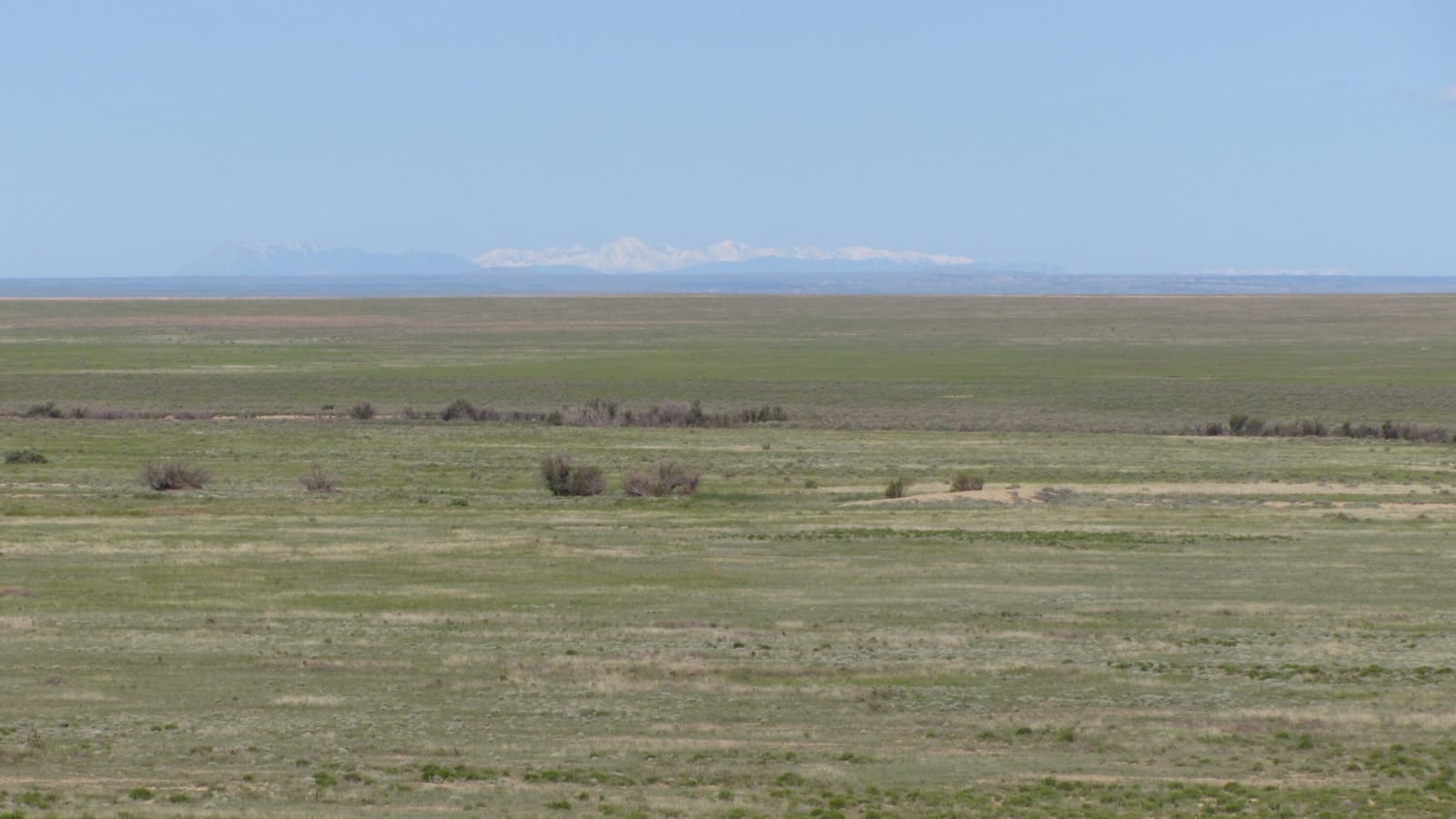
The Arkansas Valley & the Santa Fe Trail
Bent's adobe fort on the old border, Sand Creek and the two officers who held back their men, the Ludlow tent colony, and the camp named for a Cheyenne woman.
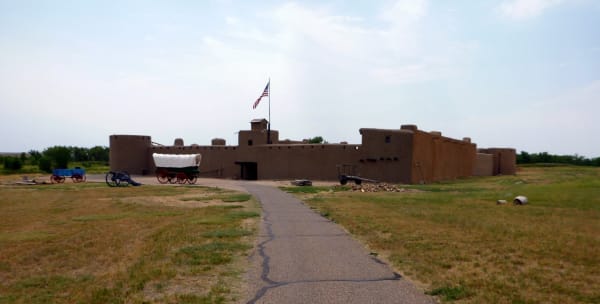
The Arkansas was a border before it was a valley of farms. From 1819 it marked the line between the United States and New Spain, later Mexico, and in 1833 the traders Charles and William Bent, with Ceran St. Vrain, raised an adobe fort on its north bank where Cheyenne, Arapaho, Kiowa and Comanche people came to trade buffalo robes; William married into the Cheyenne. The Mountain Route of the Santa Fe Trail followed the river past the fort and turned south over Raton Pass at Trinidad. The Bents abandoned the post in 1849, and the fort standing now is a 1976 reconstruction.
On November 29, 1864, about seven hundred soldiers of the 1st and 3rd Colorado Cavalry under Colonel John Chivington attacked a camp of Cheyenne and Arapaho people on Big Sandy Creek who had been told they were safe there; Black Kettle had raised an American flag and a white one over his lodge. About 230 people were killed, most of them women, children and the elderly. Captain Silas Soule and Lieutenant Joseph Cramer held their companies back, and their letters forced two congressional inquiries and an army commission. Soule was shot dead in a Denver street the following April. The national historic site near Eads opened in 2007.
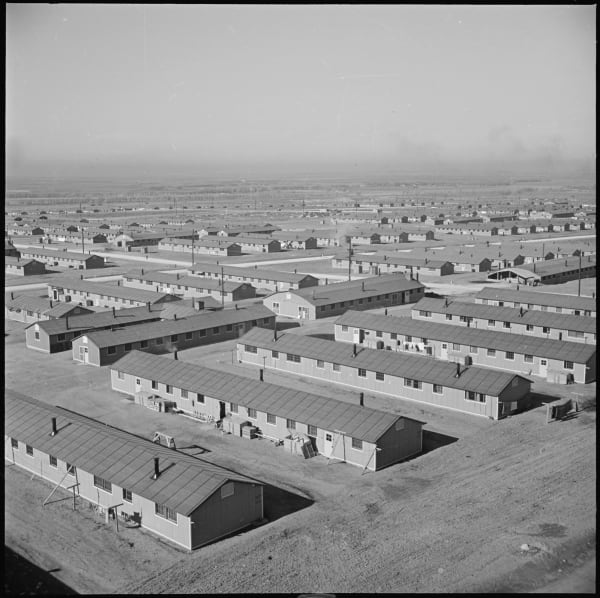
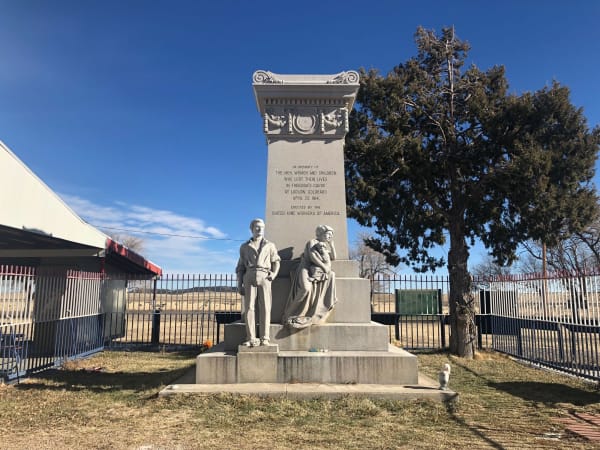
Two other attacks on families left marks in this country. At Ludlow, north of Trinidad, the Colorado National Guard fired on a tent colony of striking coal miners on April 20, 1914, and two women and eleven children died in a pit dug beneath a burning tent. Near Granada, the government held more than seven thousand Japanese Americans behind wire from 1942 to 1945, at a camp named Amache after Amache Prowers, a Cheyenne woman whose father, Ochinee, was killed at Sand Creek.
What to See in The Arkansas Valley & the Santa Fe Trail
4 places across the region, grouped by what they are.
Historic Sites
Stories from The Arkansas Valley & the Santa Fe Trail
The Arkansas Valley & the Santa Fe Trail rewards the unhurried. Pick a base, fan out, and let the country between the headline stops surprise you.
← Explore more of Open Road Guide