 Grey Wanderer / CC BY-SA 3.0 via Wikimedia Commons
The Story
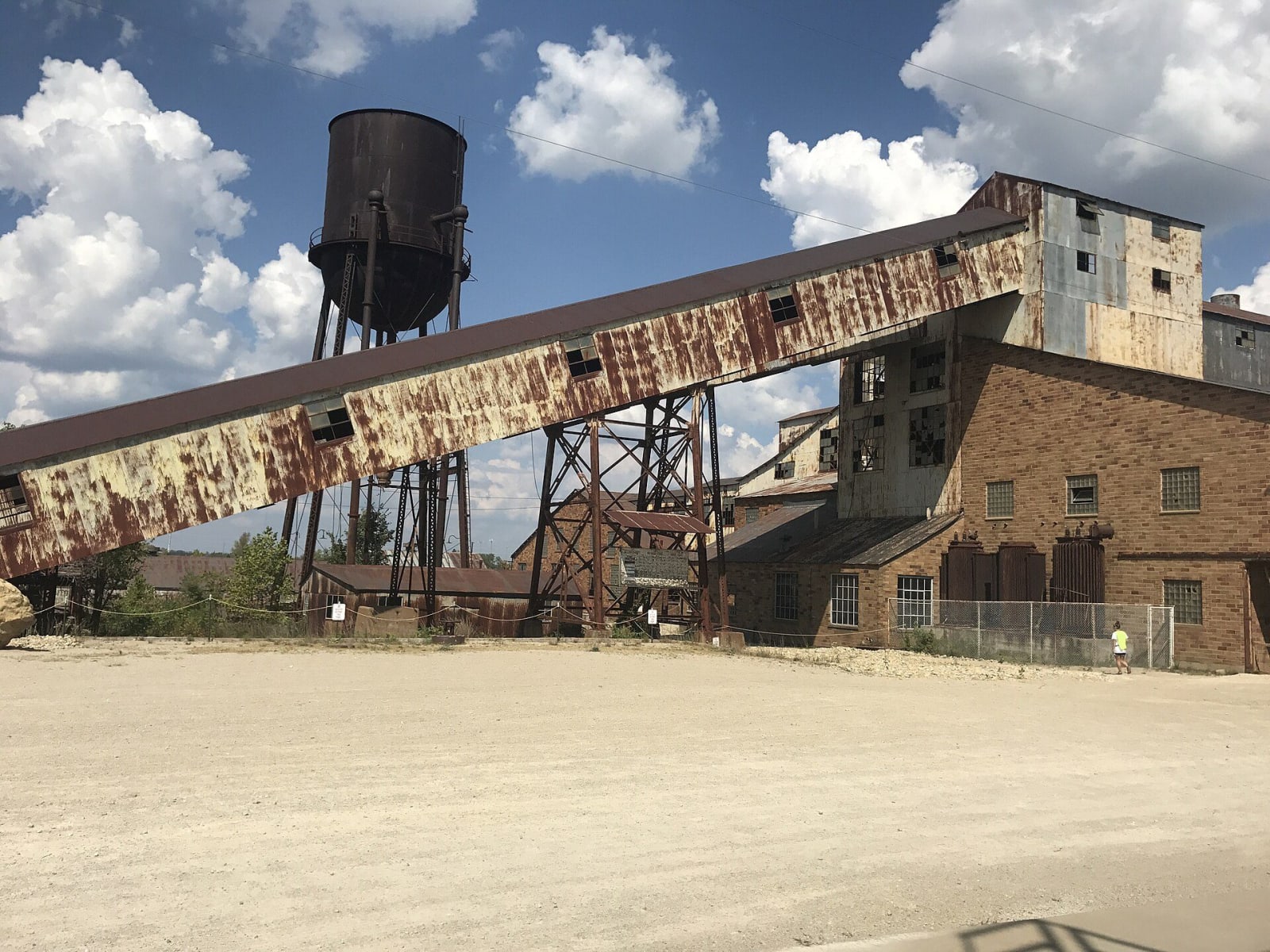
Serious small-scale lead mining began in this district in the early 1700s, and in the late nineteenth century the demand for lead brought big companies to what became the Old Lead Belt, for more than sixty years the country's leading source of lead metal. The Federal Lead Company built Federal Mill No. 3 here in 1906 and 1907. The St. Joseph Lead Company bought it in 1923 and made it the largest lead mine and mill complex in the district, adding a headframe and a primary crusher. The ore was crushed to the size of grains of sand and separated in the mill, at first on shaker tables and later entirely by chemical flotation. Work stopped in 1972. In 1976 the company gave the 25 buildings and the land to the state, which made them this site and the neighboring St. Joe State Park, and the site opened in 1988.
The 19,000-square-foot powerhouse, which once made the mill's power with coal-fired steam turbines, is the museum. One gallery holds underground equipment, from a one-ton ore car to a fifteen-ton electric trolley locomotive and a St. Joe Shovel, a crawler loader designed for these mines, of which only 52 were built. The other shows about 1,100 minerals, built around the collection Fayette P. Graves began in 1866, in cases made in the 1920s for the State Museum in the Capitol. A 12-minute film made from a 1950s movie plays in the old miners' shower room, and guided tours take in the mill buildings outside.
Visitor Info
On the Map
Nearby
The closest stops worth working into your route
Historical markers nearby
Roadside plaques and monuments within a short detour