 Prayitno / CC BY 2.0
The Story
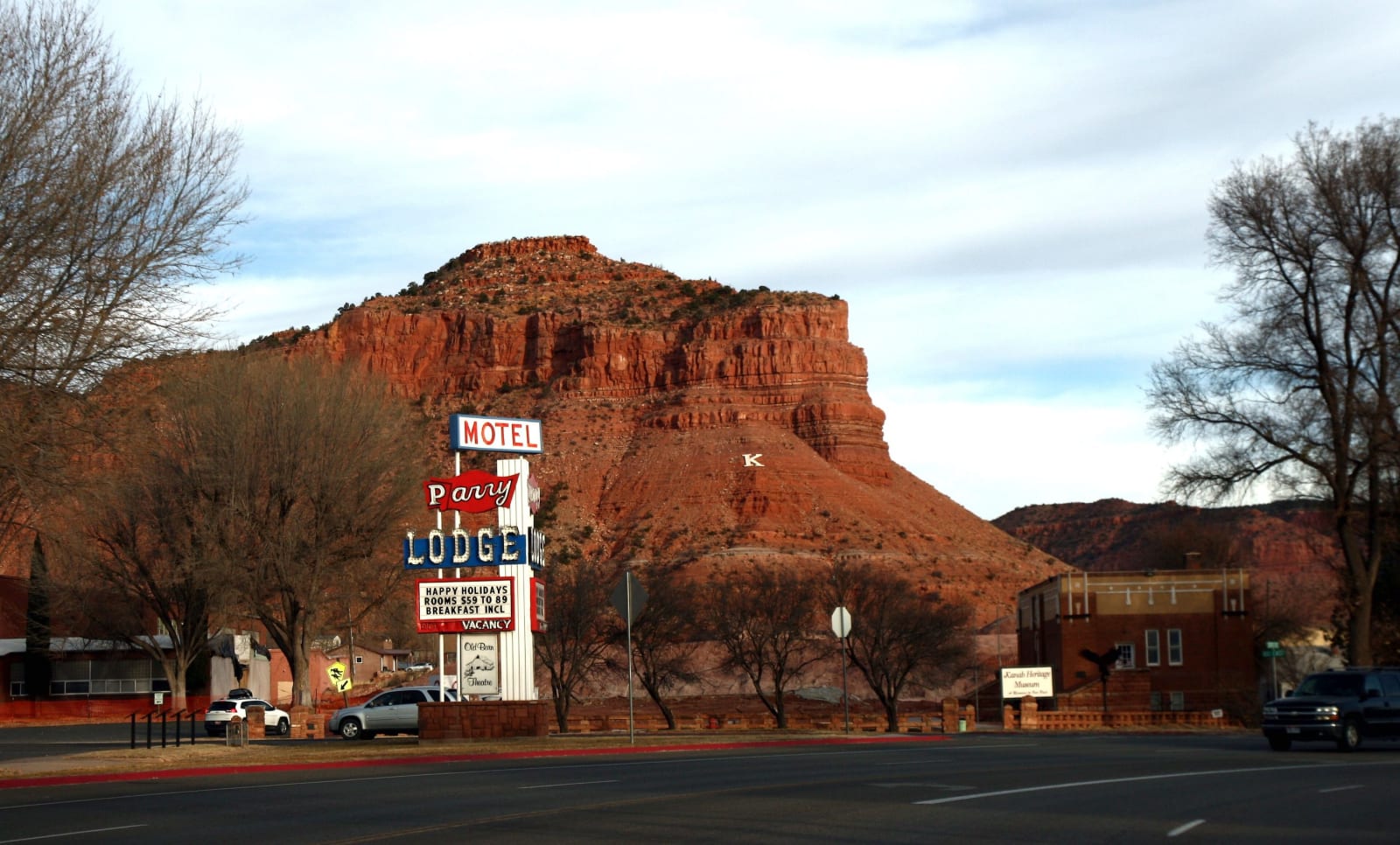
Kanab is a small town that has spent over a century pretending to be somewhere else, and doing it so convincingly that the pretending became its identity. Starting in the 1920s, Hollywood discovered that the red rock canyons and desert valleys surrounding Kanab looked exactly like the mythic American frontier that Western films needed, and over the next five decades more than 100 movies and television shows were filmed in and around this town of a few thousand people. The Outlaw Josey Wales. Planet of the Apes. The Lone Ranger. Gunsmoke. The Greatest Story Ever Told. Kanab earned the nickname Little Hollywood, and the local economy ran on cowboy extras, catered lunches, and the steady stream of production trucks rolling down Main Street.
The film industry eventually moved on — cheaper locations, digital effects, changing tastes — but the landscape that attracted the cameras in the first place has not changed. The vermillion cliffs still glow at sunset. The sand dunes still ripple in the wind. The canyons still twist into the rock in shapes that look too dramatic to be real. What has changed is the reason people come. Kanab has repositioned itself as the gateway to some of the most spectacular and least-visited public lands in the American West, and its location makes the claim legitimate.
Zion National Park is 40 minutes to the northwest. Bryce Canyon is an hour to the northeast. The Grand Canyon's North Rim is 80 minutes to the south. Grand Staircase-Escalante National Monument surrounds the town on three sides. Coral Pink Sand Dunes State Park is 20 minutes away. And the Vermilion Cliffs National Monument — home to the Wave, the most coveted hiking permit in the Southwest — begins just across the Arizona border to the south. No other town in the region sits at the center of this many world-class destinations, and the result is a base camp that punches absurdly above its weight class.
The town itself has the easy, unhurried feel of a place that has not yet been overwhelmed by the tourism it depends on. Main Street is a few blocks of restaurants, galleries, outfitters, and shops housed in buildings that range from pioneer-era brick to mid-century ranch to converted movie sets. The restaurant scene has grown considerably in recent years — several establishments now serve food that would be noteworthy in a city ten times Kanab's size — and the overall vibe is friendly, slightly quirky, and welcoming in the way that small Western towns can be when they are confident in what they have to offer.
Best Friends Animal Sanctuary, the largest no-kill animal sanctuary in the United States, sits in Angel Canyon just north of town and has become a major draw in its own right. The sanctuary cares for up to 1,600 animals at a time — dogs, cats, horses, pigs, birds, and rabbits — and visitors can tour the facility, volunteer for a shift, or simply spend time with animals that are waiting for adoption. The sanctuary's mission inspired the national no-kill movement, and the organization's influence on animal welfare policy extends far beyond the red rock canyon it calls home.
The Vermilion Cliffs and the Wave deserve special mention, because they are what bring many visitors to Kanab in the first place. The Wave is a swirling, psychedelic formation of Navajo Sandstone in the Coyote Buttes North area, and access is limited to 64 people per day by a lottery system that receives thousands of applications for every available permit. The odds of winning are low, and the disappointment of losing is real — but the lottery system has preserved the formation in pristine condition, and those who do get in experience one of the most visually extraordinary landscapes on the planet.
Kanab's cultural identity is layered. The town was settled by Mormon pioneers in the 1870s, and the LDS heritage remains strong. The Hollywood era added a layer of showbiz mythology that locals still celebrate — the Little Hollywood Museum downtown preserves sets, props, and photographs from the filming era. And the more recent arrival of outdoor recreation enthusiasts, artists, and animal welfare advocates has added a progressive, creative dimension that coexists with the town's conservative roots in a balance that is sometimes awkward but generally functional.
The elevation — roughly 5,000 feet — gives Kanab a climate that is more moderate than the low desert to the south but warmer than the high plateaus to the north. Spring and fall are ideal, with warm days and cool nights. Summer is hot but manageable, especially in the early morning and evening hours. Winter is mild by Utah standards, and many of the surrounding attractions remain accessible year-round, making Kanab a viable base camp in any season.
Kanab is the kind of town that rewards an extra day. Most visitors pass through on their way to or from the national parks, spending a night and moving on. But the side trips available from Kanab — the sand dunes, the slot canyons of Peek-a-boo and Spooky Gulch, the Toroweap overlook at the Grand Canyon, the White Pocket formation in the Vermilion Cliffs — could fill a week without repetition. The landscape surrounding this little town is inexhaustible, and the town itself has figured out how to welcome the people who come to explore it without losing the quiet, small-town character that makes it worth coming back to.
Visitor Info
On the Map
A story featuring this place
Go deeper into the history and character of this stop
Nearby
The closest stops worth working into your route
Historical markers nearby
Roadside plaques and monuments within a short detour