 An Errant Knight / CC BY-SA 4.0
The Story
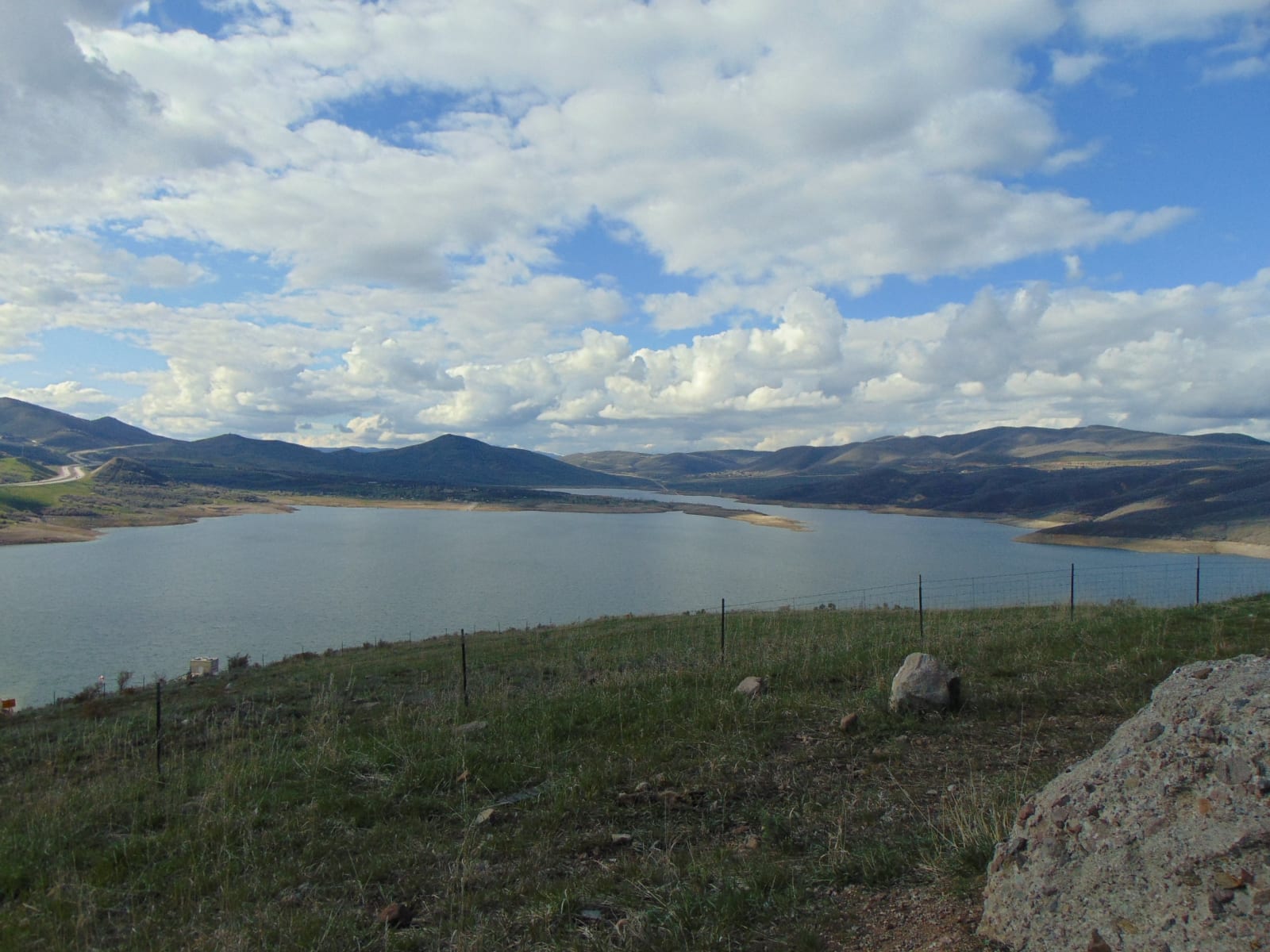
Jordanelle State Park is a sapphire reservoir wedged between two mountain ranges that most visitors to Park City and the Heber Valley drive past without realizing what they are missing. The reservoir fills a broad valley between the Wasatch Mountains to the west and the Uinta Mountains to the east, and on calm days the water reflects both ranges in a mirror of blue that makes the geography look symmetrical even when it is not. The park offers two distinct recreation areas — Hailstone on the western shore and Rock Cliff on the eastern — and each has its own character, its own facilities, and its own version of what a day at a mountain reservoir should feel like.
Jordanelle was built in 1993 as a water storage project, and the reservoir that filled behind the dam drowned the old town of Keetley — a small community of roughly 50 families that was relocated to make way for the rising water. On low-water years, remnants of the old settlement sometimes emerge from the receding shoreline — foundations, road fragments, and other evidence of a community that was sacrificed for the water needs of the Wasatch Front. The ghostly reappearance of Keetley is a reminder that reservoirs, however beautiful, are built on erasure.
The Hailstone recreation area, on the western shore near the dam, is the more developed of the two sections. A marina, boat launch, campground, and day-use area cater to the boating, fishing, and swimming crowd that fills the park on summer weekends. The reservoir is stocked with rainbow and brown trout, smallmouth bass, and perch, and the fishing is good enough to draw anglers from across the region. The water warms to swimmable temperatures by mid-June, and the sandy beaches at Hailstone fill with families from the nearby Park City and Heber Valley communities.
The Rock Cliff recreation area, on the eastern shore, offers a quieter, more nature-oriented experience. A boardwalk trail winds through a wetland area at the head of the reservoir, where the Provo River enters Jordanelle through a marshy delta of willows, cattails, and open water. The wetland is excellent bird habitat — herons, ospreys, pelicans, and dozens of songbird species use the area, and the boardwalk provides close-up viewing without disturbing the habitat. The nature center at Rock Cliff offers educational programs and interpretive displays about the reservoir's ecology.
The park's location makes it one of the most accessible mountain recreation areas in northern Utah. Highway 40 runs along the eastern shore, connecting the Heber Valley to Park City and the Wasatch Front. The reservoir is visible from the highway for several miles, and the combination of mountain scenery, accessible water, and proximity to major population centers makes Jordanelle one of the busiest state parks in Utah during summer.
Winter transforms the park into a different kind of destination. The reservoir freezes in cold years, and ice fishing draws a hardy contingent to drill holes and wait in the cold for trout and perch. Cross-country skiing and snowshoeing are available on trails near Rock Cliff, and the snow-covered mountains on both sides of the reservoir create a winter landscape that is stark and beautiful.
Jordanelle is not a wilderness experience. The highway is audible from most of the shoreline, the marina is busy on summer weekends, and the development of the surrounding Heber and Park City areas is visible from the water. But the reservoir provides something that wilderness cannot — convenient, affordable, family-friendly water recreation in a mountain setting that is genuinely beautiful, 45 minutes from Salt Lake City. The drowned town of Keetley adds a layer of historical complexity that most reservoirs lack, and on low-water days, when the old foundations emerge from the mud, the park offers a meditation on the costs of the infrastructure that makes modern Utah possible.
Visitor Info
On the Map
Nearby
The closest stops worth working into your route
Historical markers nearby
Roadside plaques and monuments within a short detour