 Carol M. Highsmith / public domain via Library of Congress
The Story
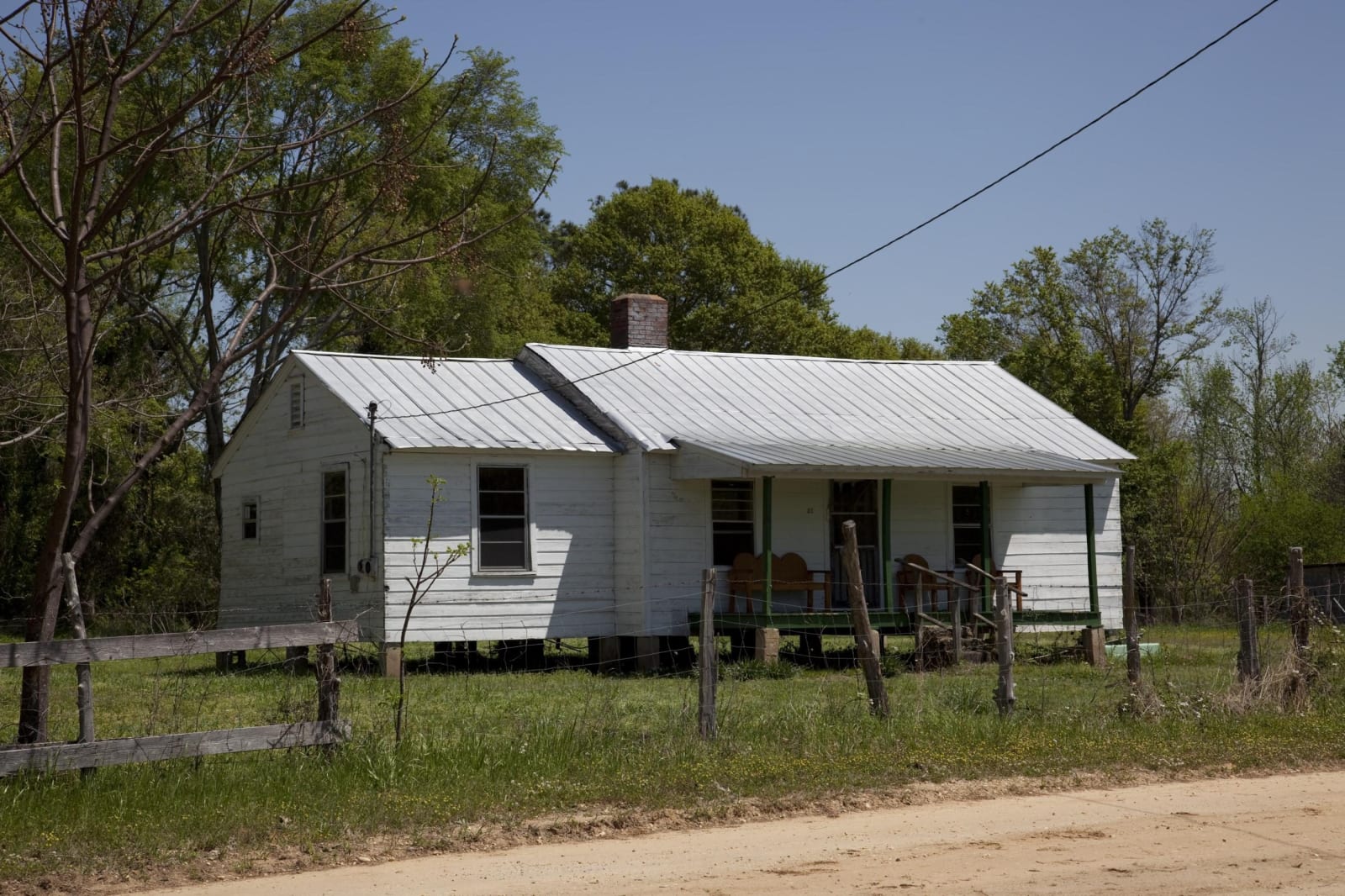
The Alabama River loops around Gee's Bend on three sides. Joseph Gee of Halifax County, North Carolina, started a cotton plantation here in 1816 with 18 enslaved people; when he died he left 47. In 1845 his nephews sold it to a relative, Mark H. Pettway, who brought about 100 more enslaved people from North Carolina. After emancipation many stayed as sharecroppers, and Pettway is still a common name in the Bend.
The 1930s nearly ended the community. When a merchant who had carried the farmers on credit died, his family seized their food, animals, tools and seed. Red Cross rations kept people alive, and in 1937 the federal government bought the land and sold tracts to the families, the first time they owned the ground they worked. Farm Security Administration photographers, Arthur Rothstein among them, documented it. In 1949 a post office imposed the name Boykin. In the 1960s, as people from the Bend took the ferry to Camden to register to vote, county officials shut the ferry down, and for 44 years the county seat meant a long drive around. The ferry came back in 2006.
The quilts that women here have made for generations, many of them Pettways, went on show at the Museum of Fine Arts, Houston, in 2002 and then at the Whitney Museum in New York, and they have been praised, and argued over, ever since. The quilters formed their own collective in 2003, and in 2007 the community put up a mural trail of quilt designs along the road. Take the ferry from Camden.
Visitor Info
On the Map
Nearby
The closest stops worth working into your route
Historical markers nearby
Roadside plaques and monuments within a short detour