Portland & the Willamette Valley
Kalapuya country and the end of the Oregon Trail — Oregon City and Willamette Falls, Champoeg, Portland, Salem and Eugene, and the Grand Ronde tribe that bought the falls back in 2019.
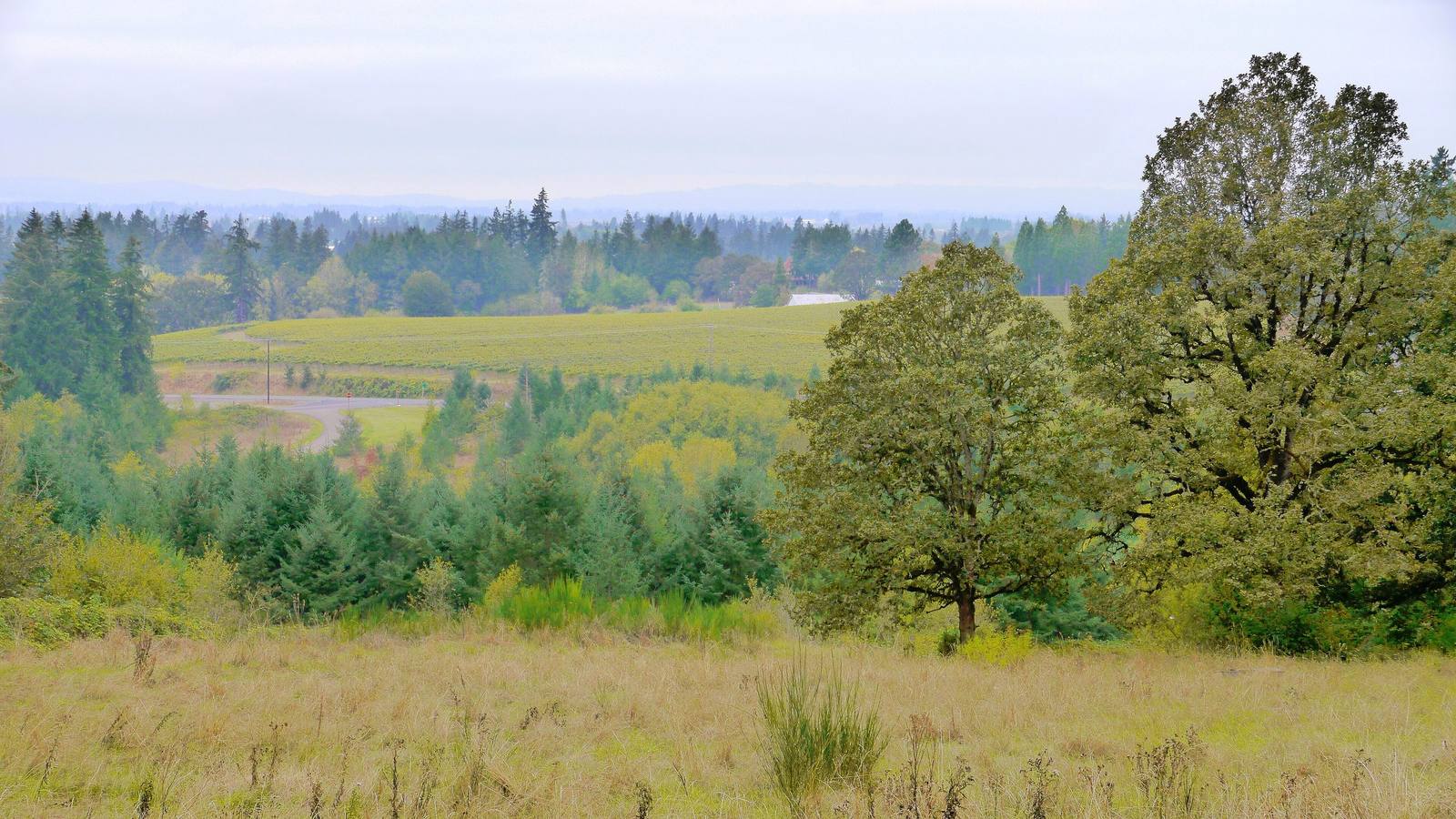
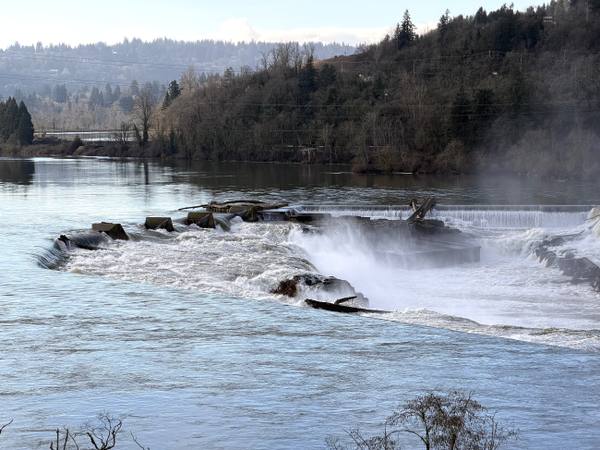
The Kalapuya lived the length of the Willamette Valley and kept it open with fire, burning the prairies so that the oak savanna the first emigrants admired was partly their work. By the time a treaty was signed at Dayton in January 1855, about four hundred of them were left, and the treaty gave up nearly the whole valley. That winter the Kalapuya, Clackamas and Molala were forced out to the Grand Ronde encampment in the Coast Range foothills, and early in 1856 the Rogue River and Umpqua peoples followed on a march the Grand Ronde tribe remembers as its Trail of Tears. Terminated in 1954 and restored in 1983, the Confederated Tribes of Grand Ronde bought the shuttered paper mill beside Willamette Falls in 2019 and call the falls by their own name again: tumwata.
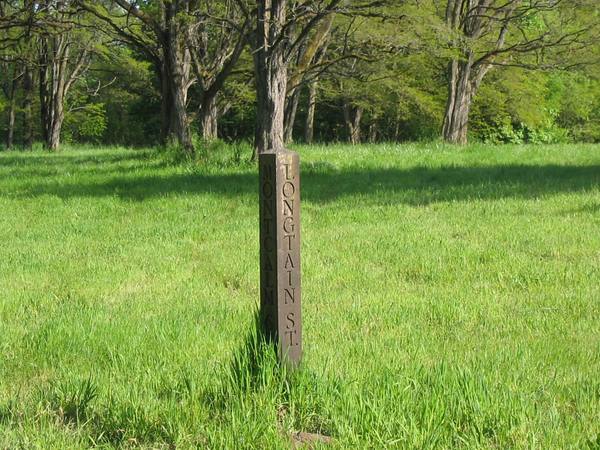
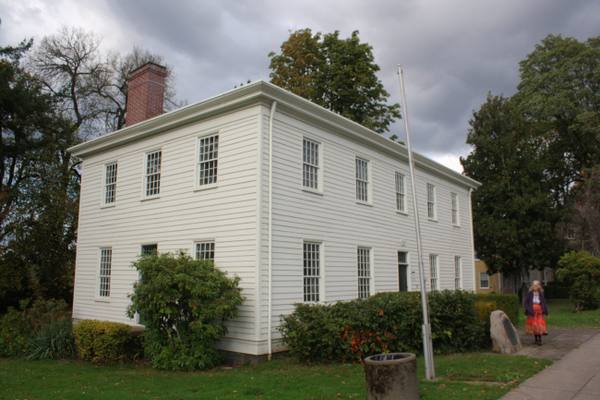
The falls are why Oregon City is where it is. Incorporated in 1844, it was the first American city west of the Rockies and the end of the Oregon Trail, the place where emigrants filed their land claims. In 1843 settlers upriver at Champoeg had voted to form a provisional government, and in 1844 that government passed Oregon's first law excluding Black people, written with whipping as its penalty. The state constitution of 1857 carried an exclusion clause of its own; Oregon entered the Union in 1859 as the only free state admitted with one, and voters did not strike it until 1926.
Portland grew up downstream, where the Willamette meets the Columbia, as the valley's port. South of it I-5 and the old Pacific Highway run up the valley floor past the capitol at Salem, through hop yards, hazelnut orchards and vineyards, to Eugene, with the Cascade foothills on one side and the Coast Range on the other.
What to See in Portland & the Willamette Valley
5 places across the region, grouped by what they are.
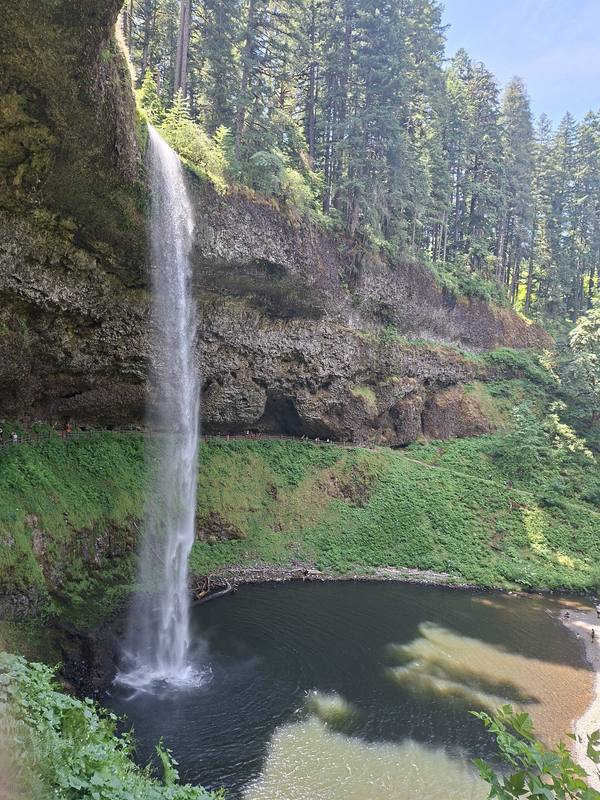
Natural Areas
Historic Sites
Stories from Portland & the Willamette Valley
Tomanowos
The largest meteorite ever found in North America rode an Ice Age flood into the Willamette Valley, was stolen one yard at a time in 1902, and ended up in New York. The Clackamas knew it first, and their descendants still visit it.
The Burn That Came Back
Fire took the old-growth Douglas fir of the northern Coast Range in 1933, then returned every six years until 1951. The forest that stands there now was planted by hand, partly by schoolchildren.
Portland & the Willamette Valley rewards the unhurried. Pick a base, fan out, and let the country between the headline stops surprise you.
← Explore more of Open Road Guide