
North Platte & the Great Platte River Road
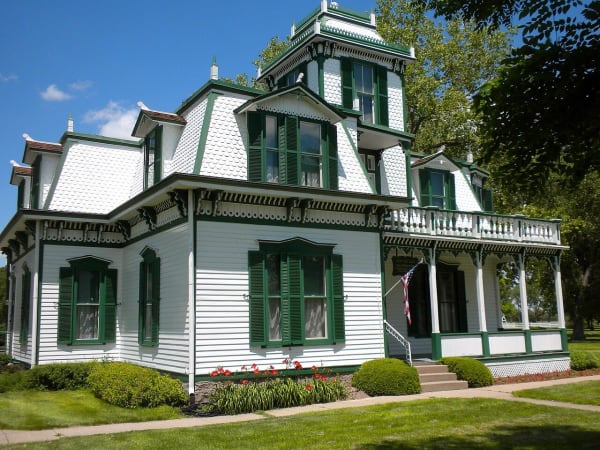
Buffalo Bill's Scout's Rest, Bailey Yard from the Golden Spike Tower, Fort Kearny, a million cranes at Rowe, Stuhr's railroad town and the Genoa boarding school.
For most travelers this is the I-80 corridor, and the Platte is the reason. Its broad, shallow valley gave the overland trails, the Union Pacific and then the interstate an easy grade west. The region divides at Grand Island. East of there the Loup joins the Platte at Columbus; west of it the valley runs on past Kearney to the forks at North Platte.
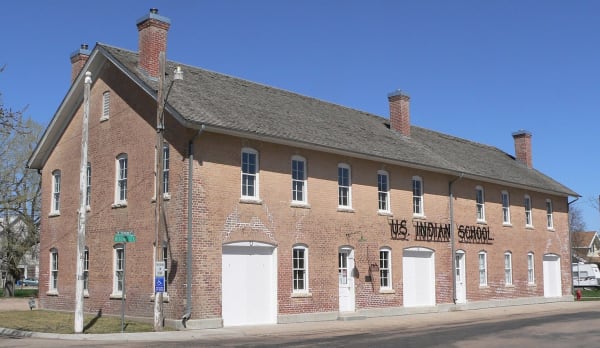
The valley is Pawnee homeland. Their earth-lodge villages stood along the Platte and the Loup, and in 1848 the Pawnee bands sold a strip of the valley near Grand Island for $2,000 in goods so the army could build Fort Kearny. Their last Nebraska reservation lay on the Loup at Genoa. Under pressure from Lakota attacks and settlers, they agreed in October 1874 to sell it and were gone to Indian Territory by October 1875. In 1884 the government opened a boarding school for Native children from other nations on the old agency land at Genoa and ran it for fifty years.
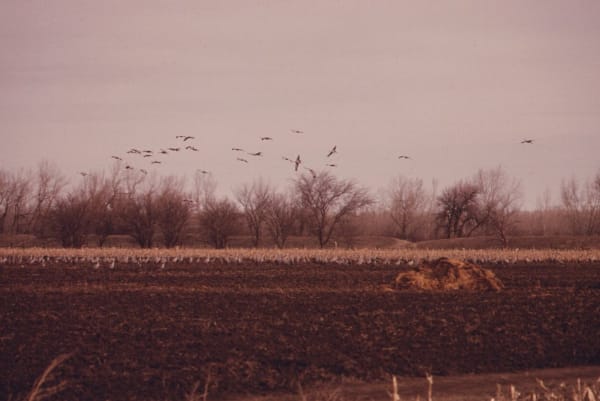
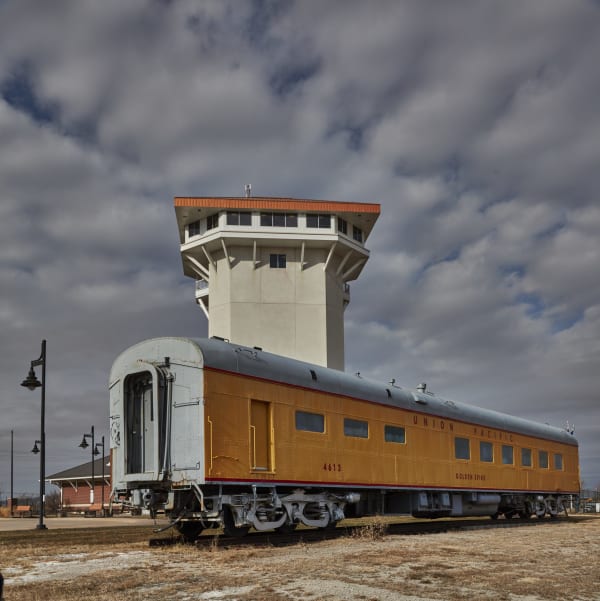
Two things belong only to this valley. From mid-February to mid-April more than a million sandhill cranes stop on the central Platte, roosting on bare sandbars at Rowe Sanctuary. And at North Platte, where Buffalo Bill staged the Old Glory Blowout in 1882, Union Pacific's Bailey Yard sorts freight cars over eight miles of track beside the Golden Spike Tower.
What to See in North Platte & the Great Platte River Road
7 places across the region, grouped by what they are.
Natural Areas
Hikes & Trails
Historic Sites

Towns & Gateways
Industry & Mining
Scenic Drives through North Platte & the Great Platte River Road
Stories from North Platte & the Great Platte River Road
North Platte & the Great Platte River Road rewards the unhurried. Pick a base, fan out, and let the country between the headline stops surprise you.
← Explore more of Open Road Guide