Macon, Milledgeville & Middle Georgia
From Ocmulgee Mounds and Indian Springs to Milledgeville's Old Governor's Mansion, Andalusia and the Big House: Muscogee homeland, cotton and slavery, and southern rock.
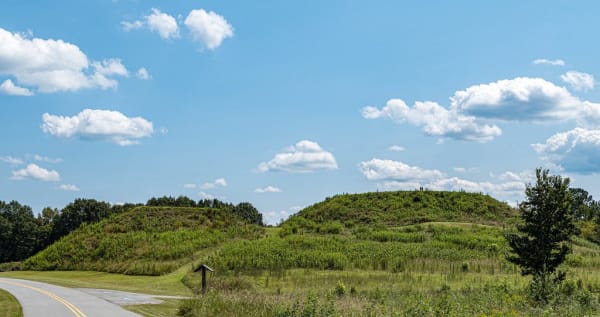
The Muscogee (Creek) Nation calls the bluff above the Ocmulgee River at Macon ancestral ground, where the earthworks of a town of a thousand years ago still stand and an earth lodge has been rebuilt over its original floor. At Indian Springs the chief William McIntosh signed away the last Muscogee land in Georgia in 1825, and his own nation put him to death for it under its law. Start with the mounds.
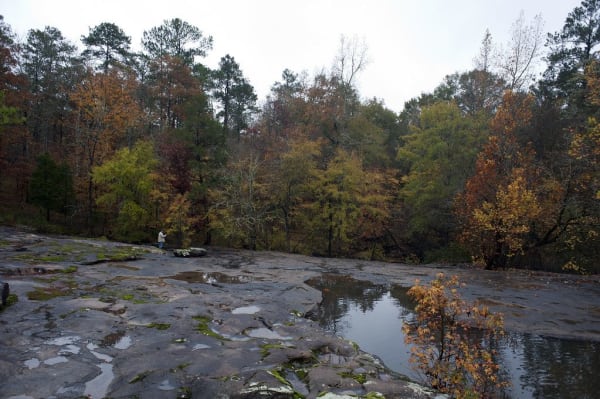
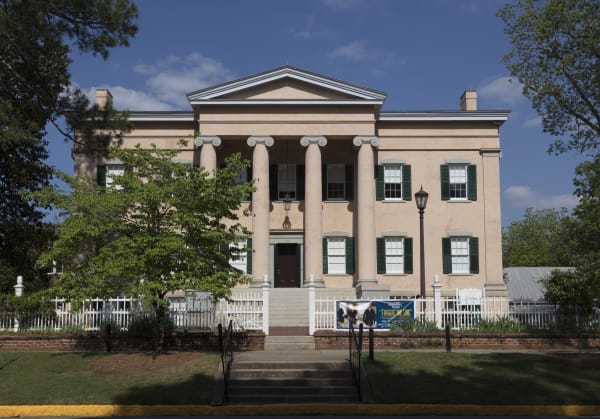
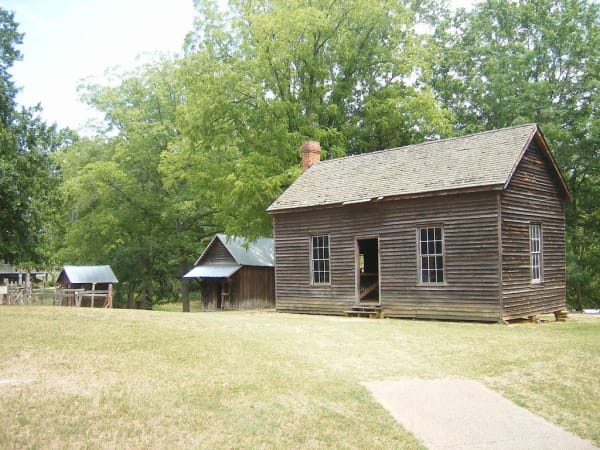
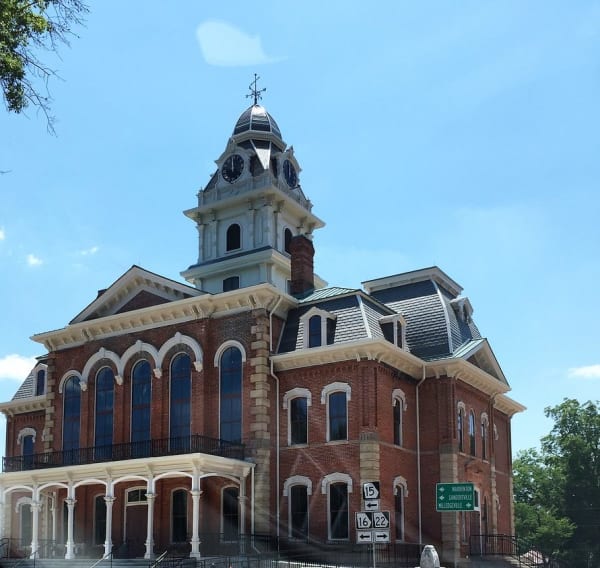
Cotton followed the cessions, and enslaved people made it. Milledgeville was Georgia's capital for six decades; the Old Governor's Mansion now tours its rooms for the enslaved as well as the governors, and the town held its slave auctions on the capitol square. Jarrell Plantation kept its farm buildings but none of the houses of the 42 people enslaved there. In Sparta, Amanda America Dickson, born to an enslaved girl and the planter who held her, won his fortune in court. Piedmont refuge is the cotton land worn out and given back to the pines.
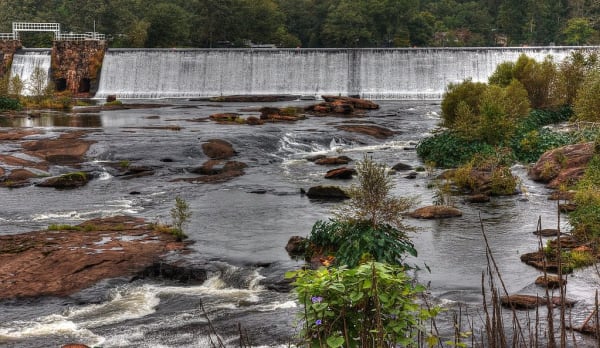
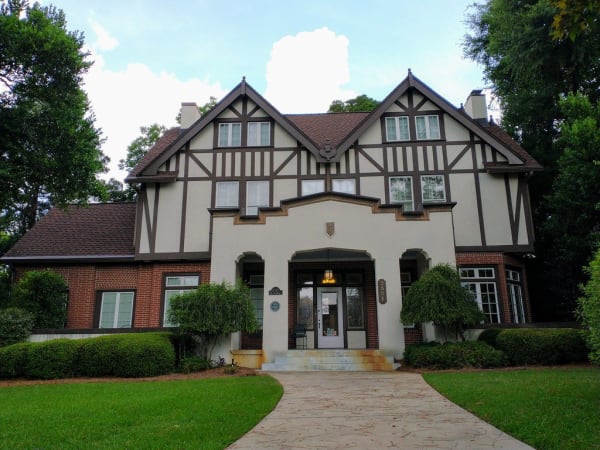
Macon carries the rest. The Tubman Museum tells African American history from a downtown building, and the Allman Brothers Band lived in the Big House on Vineville Avenue while Capricorn Records made the city the home of southern rock. Flannery O'Connor wrote at Andalusia among her peacocks, High Falls spills over red rock on the Towaliga, and the Museum of Aviation fills 51 acres near Robins Air Force Base.
What to See in Macon, Milledgeville & Middle Georgia
11 places across the region, grouped by what they are.
Natural Areas
Historic Sites
Towns & Gateways

Macon, Milledgeville & Middle Georgia rewards the unhurried. Pick a base, fan out, and let the country between the headline stops surprise you.
← Explore more of Open Road Guide