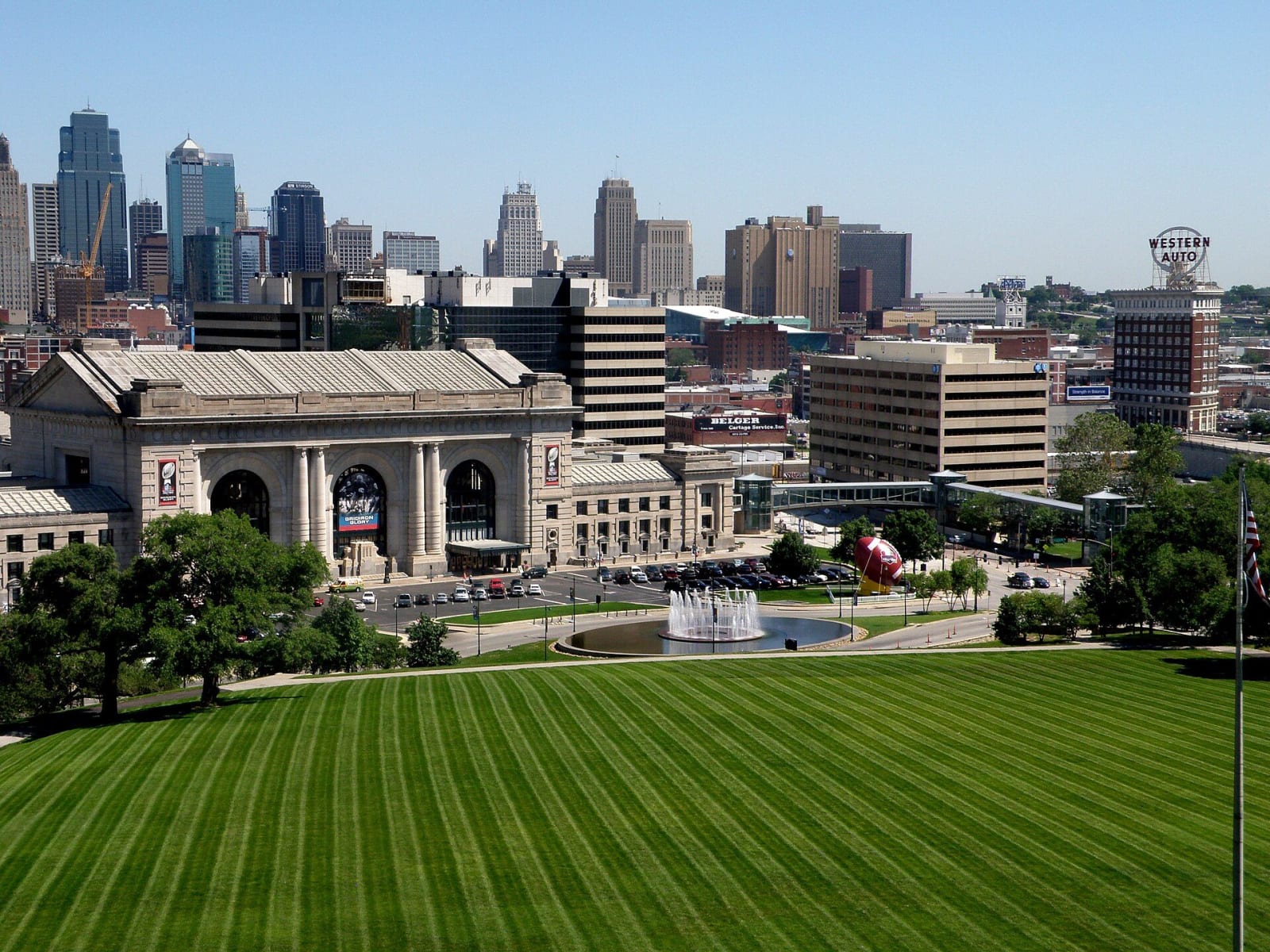
Union Station and the downtown Kansas City skyline beyond a striped green lawn.
MARELBU / CC BY 3.0 via Wikimedia Commons
Missouri · Region

Kansas City & the Western Border

The Negro Leagues museum at 18th & Vine, the Independence trail museum, Fort Osage, the Lexington battlefield, Watkins Mill and Island Mound in the Burnt District.

13 places to explore

Missouri's western border starts at Kansas City, where the Kansas River joins the Missouri and the state line runs south across open prairie. For a driver the region falls into three parts. The metro holds the jazz and baseball blocks of 18th & Vine, Westport, and Independence, the town where Santa Fe traders and Oregon and California emigrants bought their wagons. East along the river, US-24 runs past Fort Osage to the hemp town of Lexington, with Watkins Woolen Mill north of the river in Clay County. South, I-49 and US-71 cross Cass, Johnson and Bates counties, the Burnt District that General Order No. 11 emptied in 1863.

This was the homeland of the Osage, who call themselves Ni-U-Ko'n-Ska, Children of the Middle Waters, and Wazhazhe after one of their divisions. In November 1808 Osage leaders signed away most of present Missouri at Fort Osage. Platte County, north of the river, was part of the Platte Country, where the Ioway lived until the 1836 Platte Purchase. The Kansas side of the metro is covered in Kansas City & the Northeast.

Two things are only here. In February 1920 the Negro National League was founded two blocks from 18th & Vine. On a Bates County farm in October 1862, the 1st Kansas Colored Volunteer Infantry fought at Island Mound, the first combat by Black soldiers in the Civil War.

What to See in Kansas City & the Western Border

13 places across the region, grouped by what they are.

Historic Sites
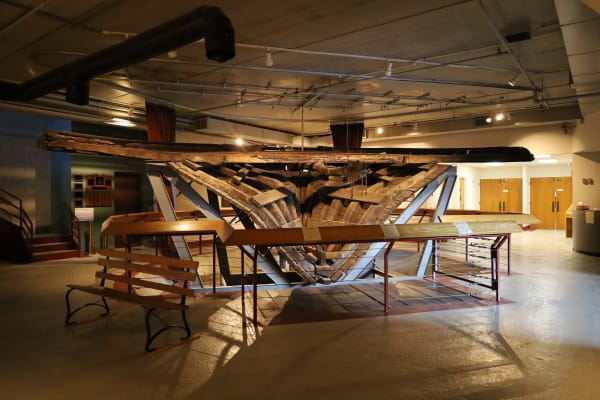
The recovered timber hull of the steamboat Arabia displayed in the museum gallery.

Arabia Steamboat Museum

Kansas City

The cargo of a sidewheeler that sank in 1856, dug out of a Kansas cornfield in 1988 and 1989 and shown in the River Market, from boots and buttons to jarred pickles.

View details →
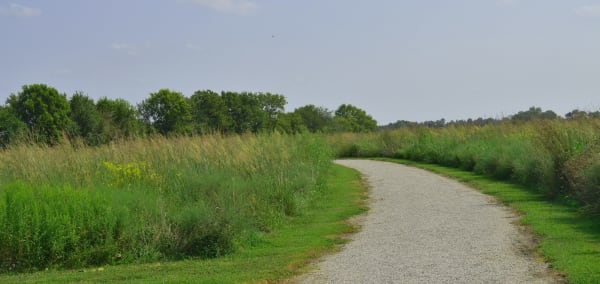
A gravel walking trail curving through tall prairie grass at the Battle of Island Mound State Historic Site.

Battle of Island Mound State Historic Site

Butler

The Toothman farm in Bates County that soldiers of the 1st Kansas Colored Volunteer Infantry fortified as Fort Africa before their fight on the burning prairie on October 29, 1862.

View details →
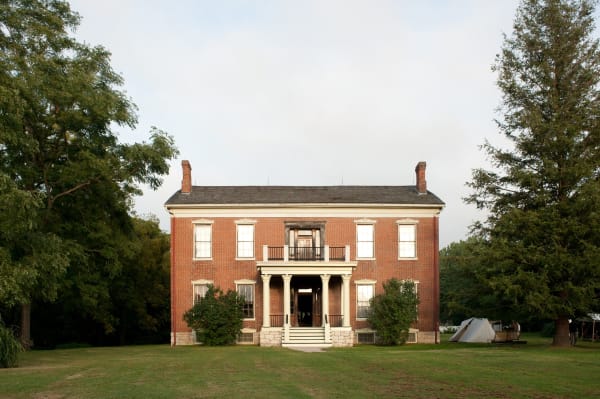
The red brick Anderson House on its lawn at the Battle of Lexington State Historic Site.

Battle of Lexington State Historic Site

Lexington

The Anderson House and the Missouri River bluff at Lexington, where the Missouri State Guard rolled river-soaked hemp bales toward the Union lines in September 1861.

View details →
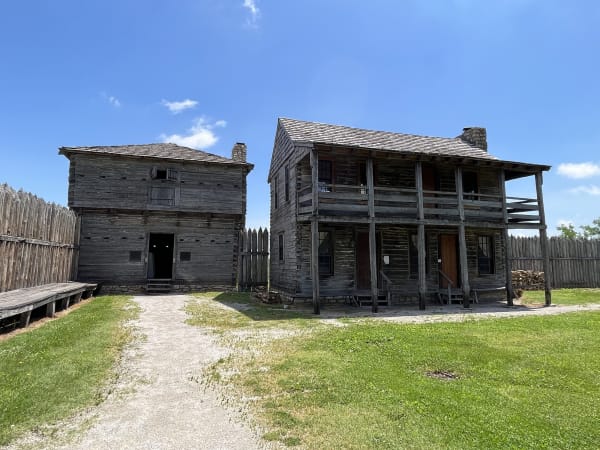
The reconstructed log blockhouse and two-story factory building inside the stockade at Fort Osage.

Fort Osage National Historic Landmark

Sibley

A reconstructed 1808 fort and government trading house on a Missouri River bluff at Sibley, where Osage leaders signed the treaty that gave up most of present Missouri.

View details →
The white Victorian Truman Home on North Delaware Street in Independence, framed by bare trees.

Harry S Truman National Historic Site

Independence

The Independence house Harry Truman lived in for half a century without owning it until 1953, kept as Bess Truman left it and seen only on small ranger tours.

View details →
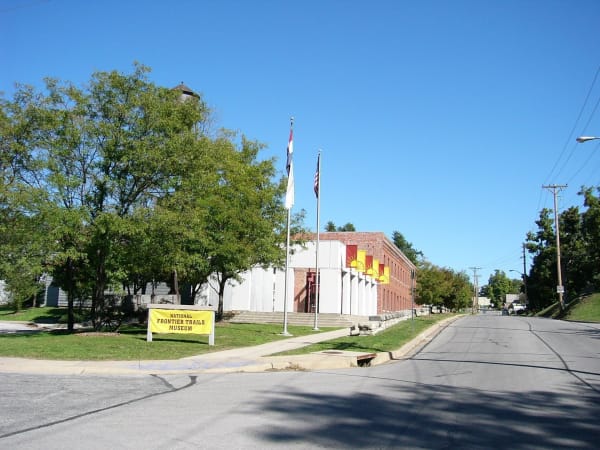
The National Frontier Trails Museum and its yellow sign on West Pacific Avenue in Independence.

National Frontier Trails Museum

Independence

The City of Independence museum of the Santa Fe, Oregon and California trails, told from travelers' journals, with a research library of more than 2,300 trail diaries, letters and recollections.

View details →
An aerial view of the Liberty Memorial tower and its two flanking halls, with the downtown Kansas City skyline behind.

National WWI Museum and Memorial

Kansas City

Kansas City's Liberty Memorial of 1926, paid for in ten days of giving, above a museum of the First World War entered across a glass bridge over 9,000 poppies.

View details →

Towns & Gateways

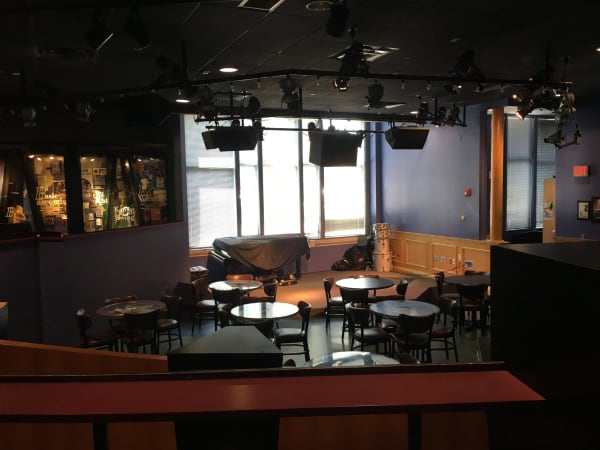
The Blue Room jazz club inside the American Jazz Museum, with its stage, bar and small tables.

American Jazz Museum

Kansas City

Kansas City's jazz museum at 18th & Vine, with Charlie Parker's Massey Hall saxophone, the 1912 Gem Theater across the street and the Blue Room, a working club inside the museum.

View details →
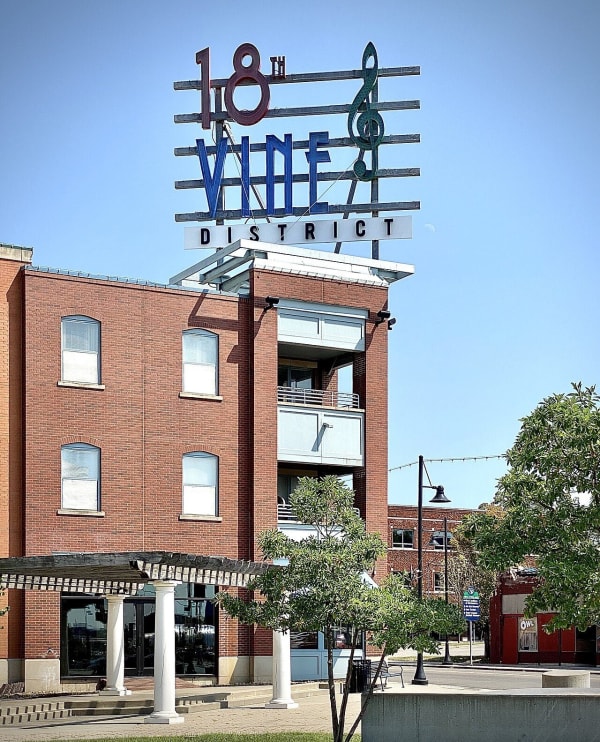
The 18th and Vine District sign atop a red brick building in the Kansas City jazz district where the museum stands.

Negro Leagues Baseball Museum

Kansas City

The national museum of Black professional baseball in Kansas City's 18th & Vine Jazz District, two blocks from the YMCA where the Negro National League was founded in 1920.

View details →
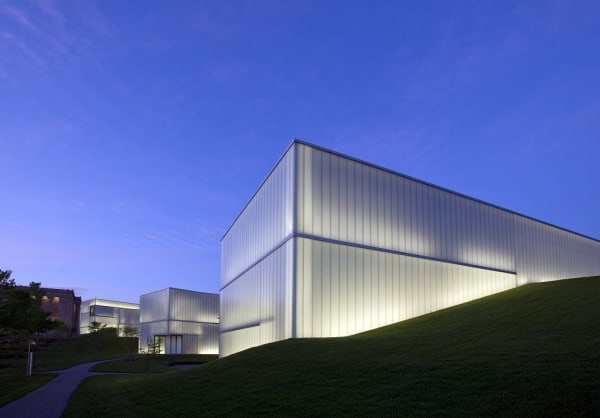
The translucent glass boxes of the Bloch Building at the Nelson-Atkins, glowing at dusk above a grassy slope.

Nelson-Atkins Museum of Art

Kansas City

A free art museum of more than 45,000 works built from two Kansas City estates, opened in 1933, with four giant Shuttlecocks on the lawns of its sculpture park.

View details →
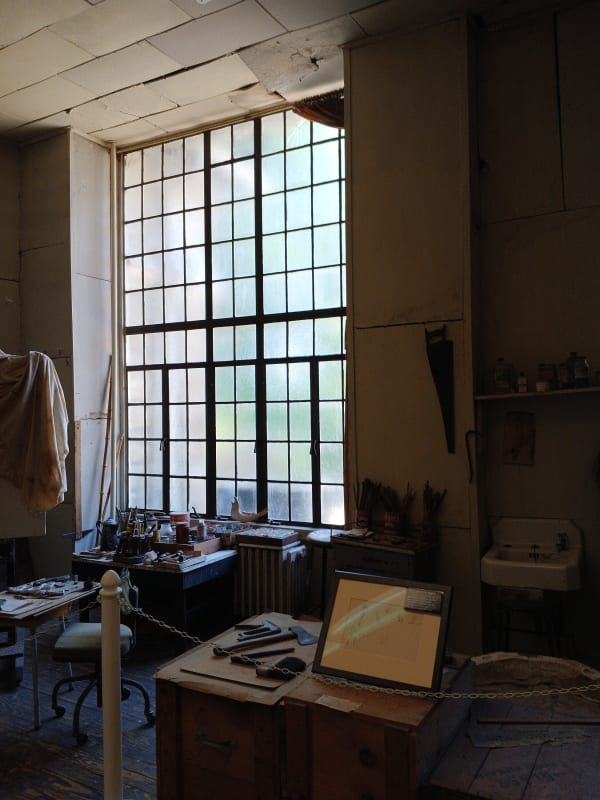
The tall multi-paned north window lighting the studio where Thomas Hart Benton worked, with his worktable and supplies below.

Thomas Hart Benton Home and Studio State Historic Site

Kansas City

The limestone house where Thomas Hart Benton lived from 1939 to 1975 and the carriage-house studio where he died, left with his brushes in coffee cans.

View details →

Architecture

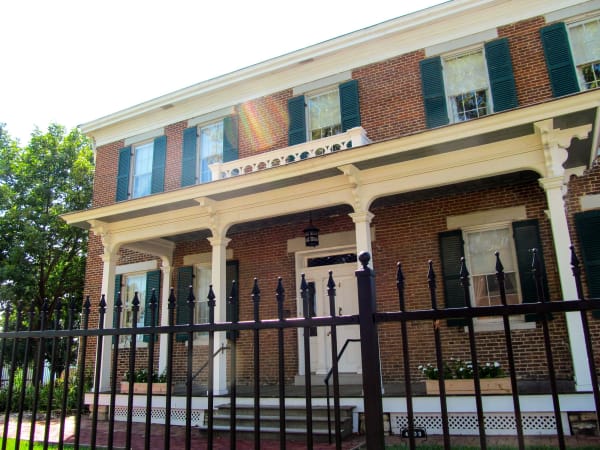
The red brick Harris-Kearney House with green shutters and a white columned porch behind an iron fence.

Harris-Kearney House

Kansas City

Westport's 1855 Greek Revival brick house, built by the hotelkeeper whose Harris House served the trail trade and the Union army, and moved and saved by a group of women in 1922.

View details →

Industry & Mining

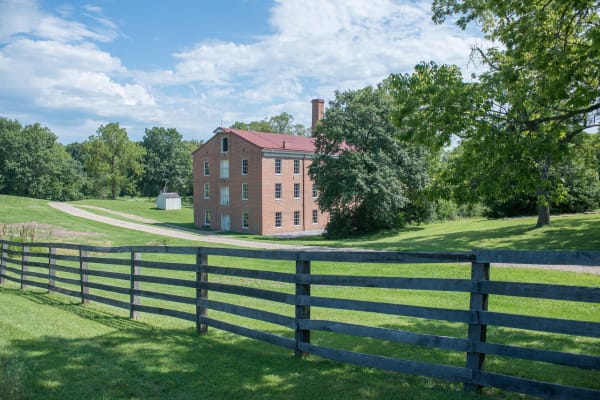
The three-story brick Watkins Woolen Mill seen across a pasture and a dark board fence.

Watkins Woolen Mill State Historic Site

Lawson

A three-story 1860 woolen mill in the Clay County hills that still holds nearly all its original machinery, at the center of the 3,660-acre Watkins farm called Bethany.

View details →

Stories from Kansas City & the Western Border

History

The Government Chief

The Osage gave up Missouri in treaties signed by leaders whom traders and governments had raised above a council that never had one head chief.

3 min read
History

Jeffrey's Point

The Platte Purchase added six counties to Missouri in 1837, and the man who put it into words for the Ioway had been held in slavery by the founder of St. Joseph.

3 min read
History

Free People of Color

The Latter-day Saints' Missouri troubles began in Independence in 1833, over a newspaper article about Black converts, and ended for their prophet in a Clay County jail.

3 min read
Nature

The Chutes at Lisbon Bottom

A century of work made the lower Missouri a narrow, deep barge channel, and since 1994 a refuge strung along it has been letting the river back into its bottoms.

3 min read

Kansas City & the Western Border rewards the unhurried. Pick a base, fan out, and let the country between the headline stops surprise you.

← Explore more of Open Road Guide