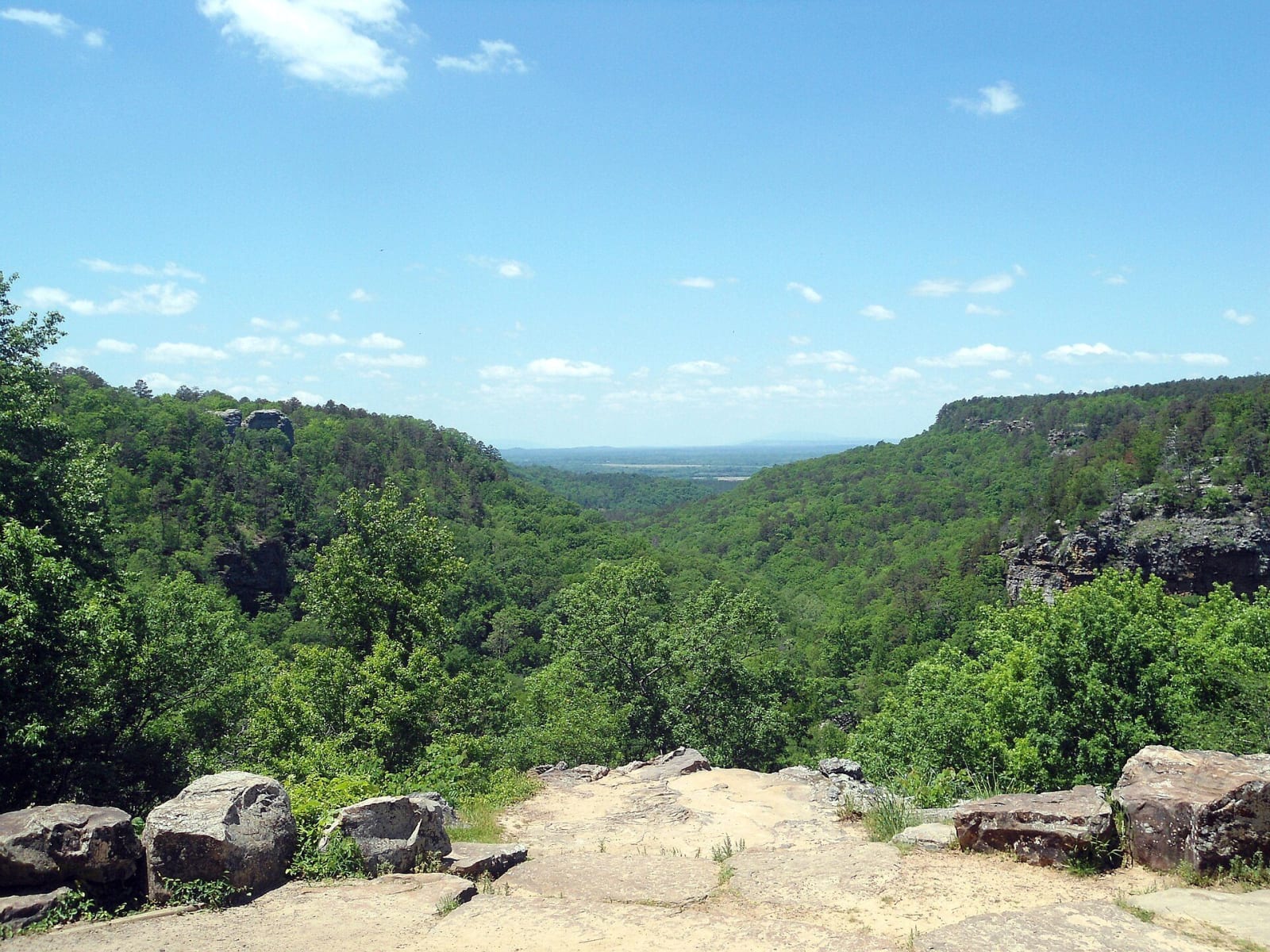
Fort Smith & the Arkansas River Valley
Fort Smith's frontier fort and federal court, the Trail of Tears river route, Mount Magazine and Petit Jean, and Subiaco Abbey and the Altus wine country.
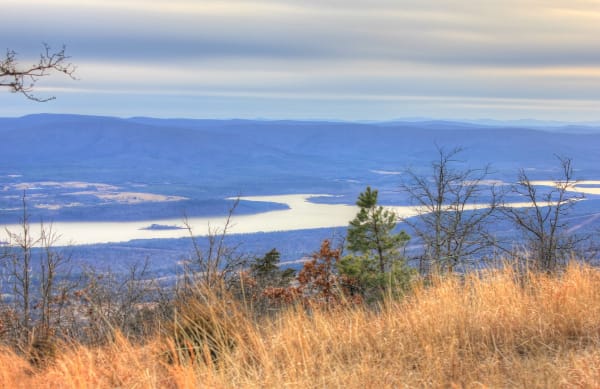
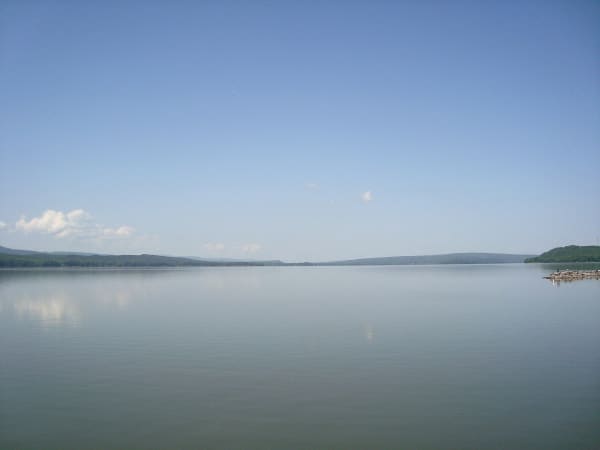
The Osage, who call themselves Ni-u-kon-ska, hunted the Arkansas River valley until Cherokee families moved in from about 1808, and in December 1817 army riflemen landed at Belle Point to keep the peace between them, which began Fort Smith. From 1831 the river was the water route of the Trail of Tears, called by the Cherokee Nunahi-duna-dlo-hilu-i, the trail where they cried. Cherokee, Choctaw, Muscogee, Seminole and Chickasaw parties crossed at Norristown, and the state parks at Mount Nebo, Petit Jean and Lake Dardanelle mark that route.
Federal power followed. From 1875 Judge Isaac Parker's court in Fort Smith tried cases for Indian Territory, and eighty-six men were hanged there by 1896. Bass Reeves, born enslaved in Crawford County, became a deputy marshal under that court, and the U.S. Marshals Museum now tells the marshals' story. Swiss and German settlers came on the railroad: Benedictine monks founded Subiaco in 1878, and Johann Wiederkehr dug his wine cellar at Altus in 1880.
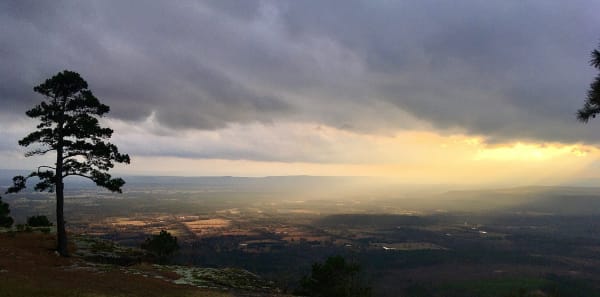
Mountains and a river became parks. Mount Magazine, at 2,753 feet, is the highest point in Arkansas, and Petit Jean, begun in 1923, was the first state park, with a Civilian Conservation Corps lodge. At Dardanelle the Corps of Engineers made a lake, and a bend it cut off became Holla Bend refuge, where up to 100,000 ducks and geese winter.
What to See in Fort Smith & the Arkansas River Valley
11 places across the region, grouped by what they are.
Natural Areas
Hikes & Trails
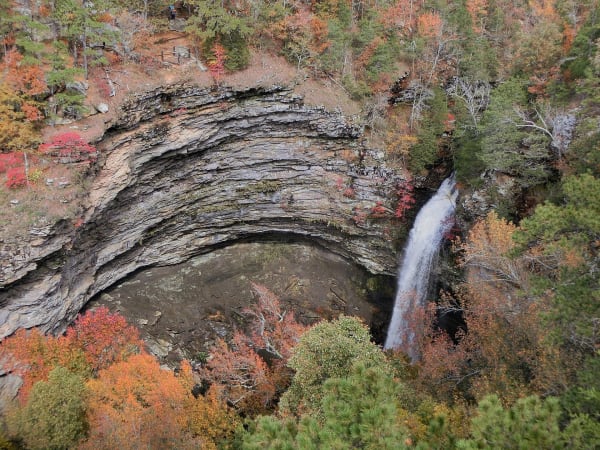
Historic Sites

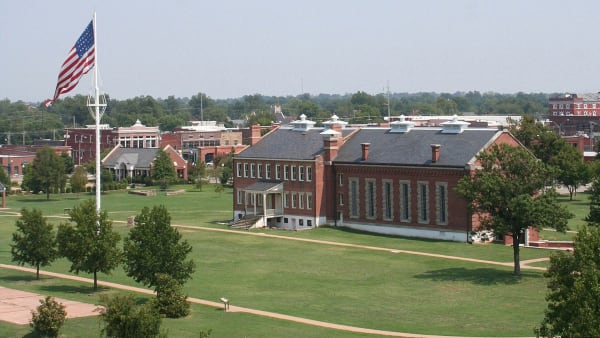
Towns & Gateways
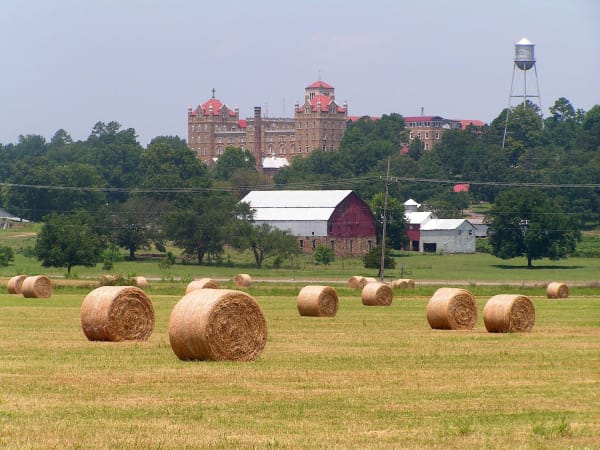
Food & Drink
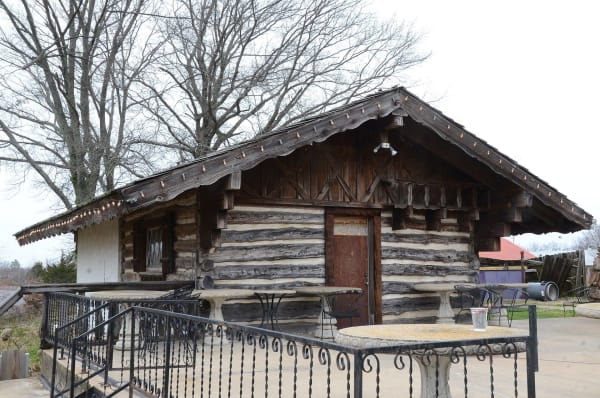
Attractions
Fort Smith & the Arkansas River Valley rewards the unhurried. Pick a base, fan out, and let the country between the headline stops surprise you.
← Explore more of Open Road Guide